
Some scenes outlive the films that contain them. They resurface in conversation, in memory, and in quiet evenings at home. Long after a story fades, one moment keeps returning.
In everyday life, these scenes appear casually. A familiar line drifts from a screen while dinner is prepared. A pause in a movie settles into the room and stays there.
✨ AI Insight:
On-demand viewing made it effortless to revisit specific moments, allowing iconic scenes to become part of daily routine rather than rare cinematic events.
The Scene That Becomes the Film
Many movies are remembered through a single image or exchange. That moment gathers the film’s emotion into one place. Everything else bends around it.
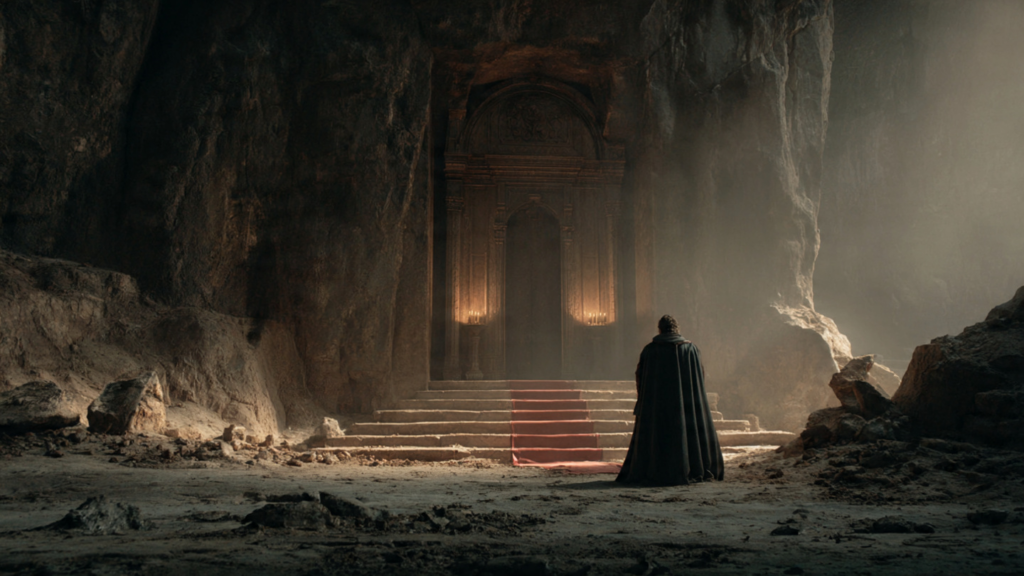
Viewers may forget the full plot or the order of events. Yet the defining scene remains intact, clear and precise. It becomes shorthand for the entire story.
This compression of meaning is what makes a scene iconic. It carries tone, theme, and feeling in a form that fits memory. A whole film can be recalled in seconds.
In homes, this effect is amplified by repetition. The same moment appears again and again on different evenings. Each return strengthens its place in memory.
Over time, the scene no longer belongs only to the film. It belongs to the person who remembers it. It becomes part of personal history.
Memory Anchored to Space
Iconic scenes attach themselves to rooms. A couch remembers a reveal. A bedroom recalls a farewell. The home becomes part of the memory.
Rewatching deepens this bond between story and space. The moment no longer floats abstractly in the mind. It lives in a particular chair, at a particular hour.
A living room may always recall a winter marathon of movies. A kitchen may remember a scene that played while soup simmered. Space and story fuse quietly.
This anchoring gives scenes durability. They are not just recalled; they are re-entered. The room becomes a portal back to earlier selves.
The home holds these memories without effort. Walls and furniture become witnesses. Everyday places gain emotional depth.
Familiarity Without Diminishing
Iconic scenes do not lose power through repetition. Knowing what happens does not weaken the effect. It changes how the moment is felt.
Surprise becomes recognition. The viewer arrives ready, carrying memory instead of expectation. The scene meets them with steadiness rather than shock.
This predictability is comforting. It allows emotion without risk. The feeling is known, contained, and safe to revisit.
At home, this matters. Domestic spaces favor continuity over disruption. A familiar scene fits easily into routine.
The room does not brace for impact. It opens for presence. The moment flows in without disturbing the day.
Shared Language at Home
Iconic moments become quotes, gestures, and glances. Families and friends recognize them without explanation. A single line can carry entire scenes.
Inside a home, this shorthand becomes intimate. A reference at the dinner table recalls years of shared watching. A look across the room completes the thought.
These scenes become part of household language. They shape humor, memory, and connection. The film lives between people, not only on screens.
Children learn these moments as part of family culture. Guests absorb them through repetition. The home develops its own cinematic dialect.
This shared language binds people across time. Even when tastes diverge, the old scenes remain. They become common ground.
Sound That Fills Rooms
Often it is not the image but the sound that lingers. A piece of music, a quiet breath, a single word. These elements drift beyond the screen.
Dialogue carries through hallways. Music settles into corners. The house feels inhabited by story even when no one is watching closely.
Sound reshapes space. A room feels different under a familiar score. Silence after a line feels heavier than silence alone.
These auditory traces make scenes portable. A person recognizes them without looking. The film exists in the background of life.

In this way, iconic moments become atmospheric. They tint the home gently, like light through a window.
Selective Return
Modern playback allows viewers to skip directly to what matters. The iconic scene stands alone, freed from runtime. It can be summoned in seconds.
This changes relationship with film. The moment becomes companion rather than climax. It is visited for feeling, not for narrative progression.
People return during brief pauses in the day. A single scene fits into a lunch break or late night. The home accommodates this rhythm.
The film no longer requires ceremony. It waits quietly, like a book left open. The room accepts its presence without preparation.
This ease keeps scenes alive. They remain active in daily life rather than archived in memory.
The Comfort of the Known
People return to these scenes for steadiness. They offer emotion without uncertainty. The feeling is familiar and contained.
In a changing day, that reliability matters. The home becomes a place where meaning can be revisited. A known moment restores balance.
These scenes act as anchors. They ground attention when life feels diffuse. The room becomes a site of emotional return.
This is not nostalgia alone. It is continuity. The present connects to past selves through story.
The home holds this connection gently. It does not demand explanation. It simply allows repetition.
Why It Matters
Homes are shaped by what repeats within them. Iconic scenes do not remain in theaters. They live in kitchens, bedrooms, and living rooms.
They provide continuity across time. People change, spaces change, but the moment remains. It becomes part of the environment.
These scenes endure because they fit into life. They do not interrupt it. They settle into it, becoming presence rather than event.
In a world of constant novelty, this persistence matters. It offers stability without stagnation. It allows feeling without disruption.
That is why fans still remember these scenes. Not because they are rare, but because they return. They live with us.