Some movie lines do more than serve a scene. They detach from the story and begin living on their own. Long after the credits roll, one sentence remains active in memory.
In everyday life, these lines surface quietly. They appear in jokes, in moments of reassurance, and in casual conversation. Over time, a single phrase becomes part of how people speak at home.
✨ AI Insight:
With streaming, clips, and subtitles always within reach, memorable lines are reinforced through repetition, allowing them to move naturally from screen to everyday speech.
Timing Is Everything
An iconic line arrives at the exact emotional peak of a scene. It lands when tension has reached clarity. The words feel inevitable rather than written.
The moment before the line matters as much as the words themselves. Silence prepares the room. The audience is already listening.
This precision allows the phrase to embed itself instantly. It feels discovered rather than delivered.
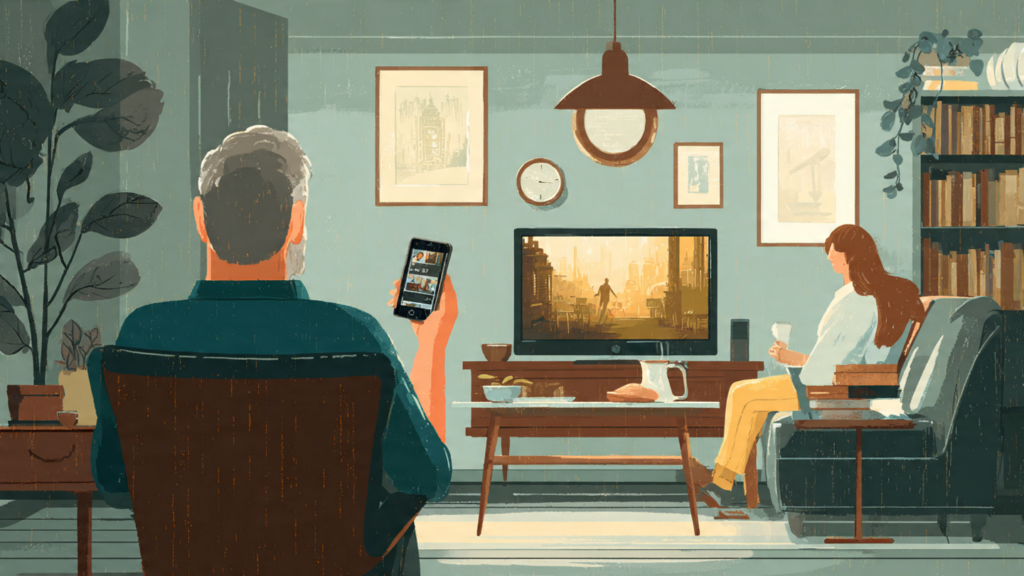
At home, this timing still works. Even when rewatched, the rhythm holds. The room waits for the words.
Simplicity Over Complexity
Iconic lines are rarely elaborate. They are short, direct, and emotionally clear. Their power comes from restraint.
A simple sentence can carry an entire story. It does not explain. It reveals.
Because it is compact, the line is easy to carry. It fits into memory without effort.
In domestic spaces, simplicity matters. The phrase can slip into conversation without drawing attention.
The Line Meets the Feeling
A defining line succeeds because it aligns perfectly with emotion. It names what the viewer already feels.
There is no dissonance between words and experience. The sentence feels like recognition.
This alignment makes the line adhesive. It bonds with feeling rather than plot.
Later, when that feeling appears in life, the words return automatically.
The home becomes a place where emotion and language reconnect.
Sound and Cadence
Iconic lines are shaped by how they sound. Rhythm, pause, and emphasis matter as much as meaning.
The words feel right in the mouth. They want to be repeated.
Rewatching reinforces this cadence. The ear learns it before the mind does.
In homes, dialogue plays while life continues. A person hears the line without looking.
Sound carries memory into routine.
From Character to Companion
Once a line leaves the film, it begins a second life. It stops belonging to a character and starts belonging to people.
A phrase becomes a joke between friends. It becomes comfort between partners. It becomes shorthand in a family.
Meaning shifts, but emotional weight remains. The words travel easily because they are already charged.
In a household, this transition feels natural. The line blends into conversation without ceremony.
Film language becomes domestic language.
Repetition Without Erosion
Hearing the line again does not weaken it. It changes its role from surprise to recognition.
The viewer arrives ready. Anticipation becomes part of the pleasure.
This predictability suits domestic rhythm. Homes thrive on repetition.
Mornings, meals, and evenings follow patterns. The line becomes part of that pattern.
The room accepts it as familiar presence.
Memory Anchored to Space
Iconic lines attach themselves to rooms. A kitchen remembers laughter. A living room recalls a moment of stillness.
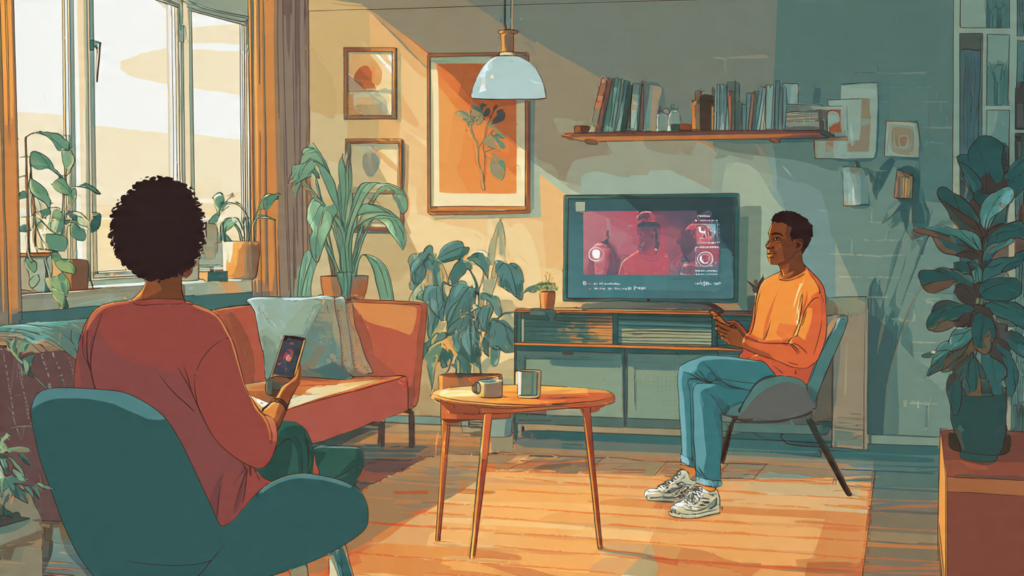
Each rewatch strengthens this bond between story and space. The phrase belongs to a place.
A person remembers not only what was said, but where they were when it was heard.
The home becomes part of the memory.
Walls begin to hold echoes of language.
Shared Language
Famous lines become shorthand between people. A single phrase can replace a paragraph.
Families and friends understand without explanation. Recognition happens instantly.
This shared language creates belonging. It signals common history.
In a home, this intimacy deepens. The line becomes part of how people relate.
Conversation gains texture without effort.
Technology as Accelerator
Earlier, these lines were encountered occasionally. Today, they are always nearby.
Clips circulate. Subtitles highlight phrasing. Scenes replay with a tap.
This availability accelerates adoption. A phrase moves from movie to message to mouth.
Screens in kitchens and bedrooms host these moments.
Language migrates through devices and settles into daily speech.
When Meaning Evolves
Once removed from its film, a line changes. Irony replaces sincerity. Humor replaces drama.
A serious declaration becomes a joke. A threat becomes a greeting.
This evolution keeps the phrase alive. It adapts instead of freezing.
In a household, meaning is negotiated. The line becomes shorthand for mood.
The home becomes a laboratory for reinterpretation.
Presence Without Performance
Quoting is rarely theatrical. It is casual and unannounced.
People let the words slip rather than perform them.
This subtlety allows the line to blend into life.
The room does not feel like a stage. It feels like a place of shared memory.
The film becomes part of everyday speech.
Why It Matters
Homes are shaped by what repeats within them. Familiar lines contribute to atmosphere as much as light or sound.
They soften silence. They mark belonging. They turn rooms into social spaces.
This matters because language shapes comfort. A house feels warmer when it speaks.
Iconic lines endure because they fit into life. They do not interrupt routine. They become part of it.
That is why this line became iconic. Not because it is clever, but because it learned how to live with us.