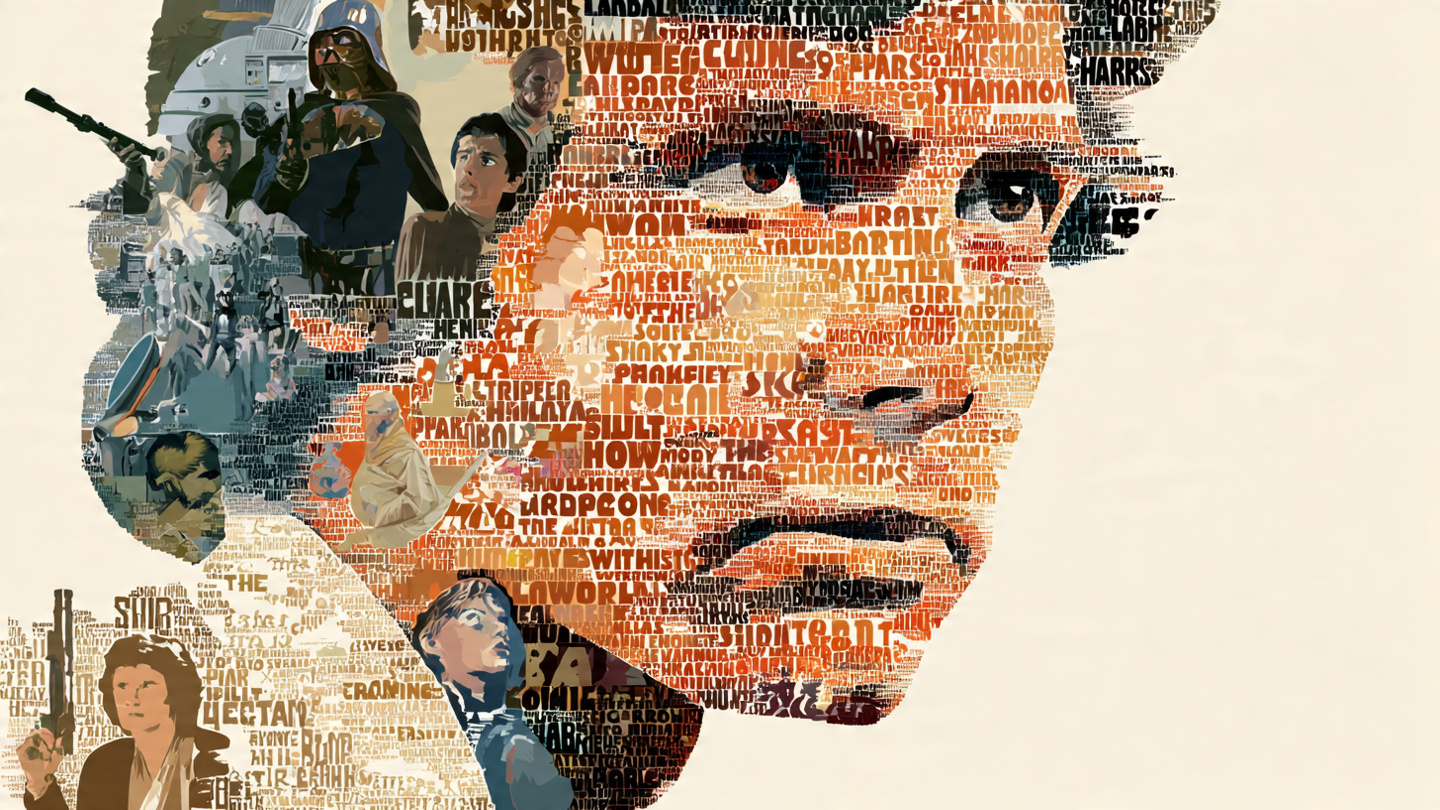
Some movie lines do more than serve a scene. They step beyond the screen and become part of everyday language, repeated in kitchens, hallways, and conversations between friends. Long after the plot fades, these words remain active.
In daily life, film dialogue often works as atmosphere rather than memory. A familiar line drifts through a room while dinner is prepared or a television plays in the background. Over time, language from cinema becomes part of how homes sound.
✨ AI Insight:
Constant access to clips, subtitles, and rewinds reinforces memorable dialogue over time. This repetition allows certain lines to migrate naturally from screen to routine speech.
When Words Outlive the Story
Most dialogue exists only to move a plot forward. A historic line condenses an entire film’s emotion into a few words that feel inevitable. The story recedes, but the sentence survives.
Viewers may forget subplots and side characters. Yet the defining line remains intact, ready to surface at the right moment. The film becomes portable through language.
Timing Creates Memory
A line becomes legendary because of when it arrives. Silence or tension prepares the ear before the words appear, making them feel discovered rather than written. The room is already listening.
This precision allows memory to form instantly. The audience senses importance before understanding it. The body registers the moment first.
Simplicity Over Ornament
Enduring lines are rarely complex. They are short, direct, and emotionally clear. Their strength comes from restraint.
A simple phrase can carry an entire story. It does not explain, it reveals. That economy makes it easy to carry.
Sound and Cadence
Dialogue lasts because it sounds right. Rhythm, pause, and emphasis matter as much as meaning. The words want to be repeated.
Rewatching teaches the ear before the mind. A person recognizes the line without looking at the screen. Sound embeds itself into routine.
From Screen to Speech
Once a line leaves the film, it begins a second life. It stops belonging to a character and starts belonging to people. Meaning shifts while emotion remains.
A phrase becomes a joke between friends or comfort between partners. It blends into conversation without ceremony. Film language becomes household language.
Homes as Echo Chambers
Every household develops its own vocabulary. Famous lines often become part of that internal dialect. Rooms begin to associate with certain phrases.
A kitchen remembers a refrain. A hallway recalls laughter. The home does not merely host speech, it stores it.
Repetition Without Erosion
Hearing a line again does not weaken it. Surprise becomes recognition, and recognition becomes comfort. Anticipation becomes part of the pleasure.
Homes thrive on repetition. Mornings, meals, and evenings follow patterns. The line becomes part of that rhythm.
Emotional Shortcuts
A lasting line works because it carries feeling faster than explanation. One sentence replaces a paragraph. Emotion travels lightly.
This efficiency suits everyday life. Conversation moves quickly and needs shared reference. The home becomes a place where feeling circulates easily.
Generational Bridges
Dialogue often travels across age. Parents pass lines to children, and friends introduce them to newcomers. One movie links different years of life.
In homes, this continuity feels tangible. A child repeats a phrase first heard from a parent. Rooms witness this transfer quietly.
When Meaning Evolves
Once removed from its film, a line changes. Irony replaces sincerity, and humor replaces drama. Adaptation keeps the phrase alive.
In a household, meaning is negotiated. A serious declaration becomes shorthand for mood. The home becomes a laboratory for reinterpretation.
Presence Without Performance
Quoting is rarely theatrical. People let the words slip rather than perform them. Reference is felt rather than displayed.
This subtlety allows lines to blend into life. The room does not feel like a stage. The film becomes part of everyday speech.
Why It Matters
Homes are shaped by what repeats within them. Familiar dialogue contributes to atmosphere as much as light or sound. Language shapes comfort.
These lines soften silence and mark belonging. They turn rooms into social spaces. A house feels warmer when it speaks.
Lines that made movie history endure because they fit into life. They do not interrupt routine. They become part of it.
The story fades, but the sentence continues. It travels through rooms and through years. It becomes memory made audible.