The Film Bakers

Author

Henry

Browsing

A film’s ending often feels inevitable. The final scene settles into memory as if it were always meant to be there. What many viewers never realize is that this version is often one of several possibilities that once existed.

People have begun to notice this through interviews and special features, where creators reveal endings that were filmed but never released. These alternate conclusions quietly shaped the story before disappearing from view.

An ending is not only where a story stops. It is where meaning crystallizes.

AI Insight:
As editing tools and test screenings became routine, endings started to evolve through comparison, allowing stories to quietly choose the version that feels most natural to live with over time.

Why Films Create Multiple Endings

Productions often develop more than one ending to explore tone and direction. A story may be tested with hope, then with ambiguity, then with restraint.

Each version answers the same narrative question differently. One may comfort. Another may unsettle. A third may invite reflection.

Filmmakers do this not from uncertainty, but from curiosity. They want to understand how the story feels when it finally closes.

Test Audiences as a Mirror

Many alternate endings emerge from preview screenings. Viewers reveal where emotion lands and where it feels forced.

An ending that feels powerful in isolation may feel heavy after a full runtime. Another may seem understated until it follows the story’s arc.

Reactions become guidance. Filmmakers listen for rhythm rather than applause, choosing what best aligns with the journey.

The audience never sees these versions, yet their response helps shape what remains.
Tone That Changes Everything

Endings determine how a story is remembered. A single scene can shift a film from hopeful to tragic, from resolved to open-ended.

An alternate ending may explain too much, closing doors the story benefits from leaving ajar. Another may feel abrupt, denying emotional release.

Even strong scenes can misalign with the film’s voice. Removal restores balance without drawing attention.

The chosen ending often feels quiet because it fits.

Characters Who Almost Walked Away

Some alternate endings change a character’s fate. A hero survives in one version and falls in another. A relationship heals in one cut and dissolves in another.

These differences ripple backward through the story. They change how earlier scenes are read and how choices feel weighted.

By selecting one path, filmmakers define the moral shape of the narrative.

The unused versions remain echoes of roads not taken.

When Clarity Becomes Too Final

Sometimes an ending explains what the story benefits from leaving unresolved. A voiceover clarifies motivation. A final scene answers lingering questions.

These versions can feel complete, yet diminish mystery. The audience is no longer invited to reflect.

Editors often remove certainty to preserve resonance. What remains unsaid becomes part of the experience.

An ending gains power when it trusts the viewer.

Practical Limits and Creative Choice

Not all alternate endings disappear for emotional reasons alone. Some prove difficult to complete. Effects may fall short. Locations become unavailable.

Rather than compromise the illusion, filmmakers choose absence. Technology offers options, but it also sets boundaries.

The story adapts quietly. Viewers sense cohesion without knowing what was lost.
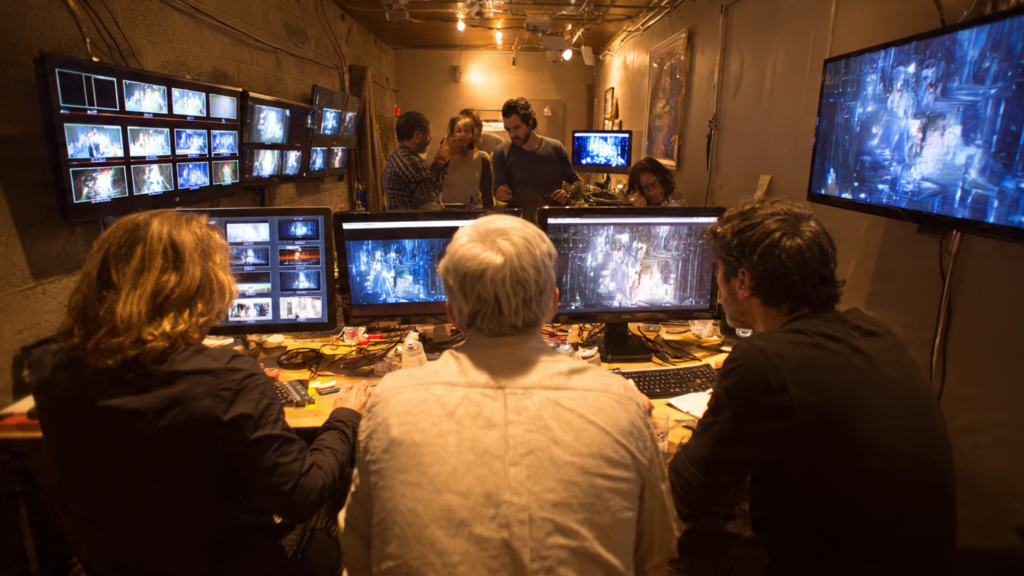
Practical limits become creative direction.

Alternate Endings as Hidden History

Many unused endings resurface later. Fans encounter them on discs or online, exploring parallel versions of familiar stories.

These moments feel like glimpses into another timeline. They reveal how small changes alter meaning.

Viewers compare, not to replace, but to understand. The film becomes a set of decisions rather than a fixed object.

Every ending carries a history.

Why These Endings Matter

Alternate endings reveal how stories are refined through listening and restraint. They show that closure is chosen, not discovered.

What feels final is often the result of comparison. The chosen version survives because it settles most naturally into the story’s rhythm.

Understanding this deepens appreciation. A film’s last moment is not destiny. It is alignment.

The ending feels right because others were allowed to fade.

The Story That Might Have Been

Behind every familiar conclusion lives another version that once existed. It carried a different mood, a different promise, a different silence.

These endings still matter. They shaped what remains by offering contrast.

A film closes once on screen.

It closes many times in creation.

Only one becomes memory.
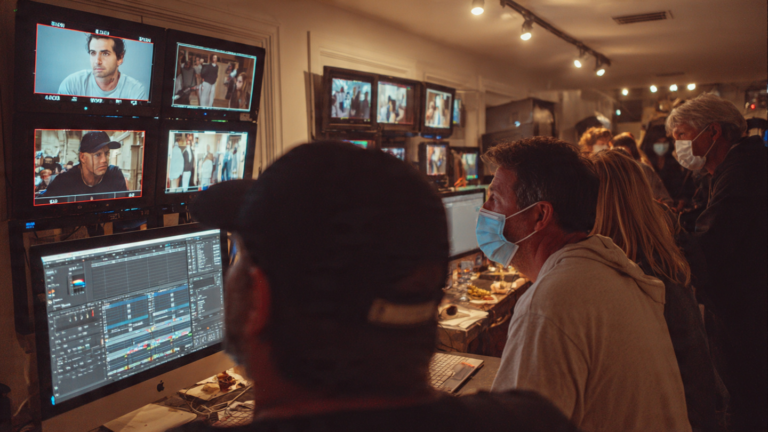

When a film reaches audiences, it feels complete, as if every moment has always belonged exactly where it appears. What viewers rarely see is how close many scenes came to reshaping that experience entirely. Entire sequences are filmed, refined, and then quietly removed.

These decisions are not accidents. They emerge as stories evolve in the editing room, where rhythm, tone, and meaning are tested against one another. What disappears often changes how the remaining story is felt.

A deleted scene is not a mistake. It is an alternate direction that the film chose not to follow.

AI Insight:
As editing tools become more precise and flexible, films increasingly discover their identity through what is removed, allowing stories to feel clearer without appearing simplified.

When Explanation Becomes Too Much

Some scenes vanish because they reveal too much. A conversation may clarify motivation too early, or a flashback may resolve mystery before tension has time to grow.

These moments often work in isolation, yet weaken the larger arc. The audience loses the chance to infer, imagine, or question what lies beneath the surface.

By removing clarity, filmmakers preserve depth. Silence becomes part of the story, and what is unsaid begins to carry its own weight.

Pacing That Alters Emotion

A film’s rhythm shapes how it feels. A reflective scene may be beautifully acted, yet slow momentum at a critical point. An extended farewell may linger past its emotional peak.

Editors watch how energy moves across the entire runtime. When a scene disrupts that flow, it becomes vulnerable, regardless of its quality.

Its removal does not erase emotion. It concentrates it, allowing the story to move with steadier purpose.

Subplots That No Longer Belong

During production, stories continue to change. Characters shift purpose, relationships evolve, and entire arcs are reimagined as the film takes shape.

Scenes built for earlier versions begin to echo intentions the story no longer holds. They feel like remnants from another draft of the same world.

Rather than force alignment, filmmakers release them. The narrative becomes lighter, more focused, and closer to what it wants to be.

Tone That Slips Out of Balance

Every film carries a delicate emotional balance. Humor, tension, and quiet must coexist without overpowering one another.

A joke may arrive too close to grief, or a dark moment may overshadow warmth. Even strong scenes can tilt that balance in unintended ways.

When tone drifts, scenes are reconsidered. Their absence restores coherence that the audience never consciously notices.

Performances That Change Perception

Sometimes a scene works too well. A powerful exchange may define a character too clearly, removing ambiguity the story depends on.

Mystery can be fragile. A single explanation can collapse it, making motivations feel fixed rather than evolving.

Editors protect uncertainty by letting clarity go. The performance remains remarkable, but the narrative gains space to breathe.

Technical Limits That Reshape Story

Not every scene disappears for creative reasons alone. Effects may prove impractical, sound may be unsalvageable, or continuity may break beyond repair.

Rather than compromise the illusion, filmmakers choose absence. Technology offers solutions, but it also sets boundaries that stories must respect.

The narrative adapts quietly. Viewers never feel what was lost, only what remains intact.

Test Audiences as Story Mirrors

Preview screenings reveal where attention drifts and confusion grows. A scene that felt essential in the edit room may stall real viewers.

Reactions become data, guiding refinement rather than dictating content. Filmmakers adjust not to satisfy, but to clarify meaning.

A deleted scene often reflects listening rather than failure, helping the story speak more clearly.

Alternate Versions That Still Exist

Many removed scenes resurface later. Fans explore them as parallel paths the story might have taken, imagining different rhythms and meanings.

These fragments show that films are not fixed objects. They are sequences of choices shaped over time.

Every cut carries the shadow of another version that almost existed.

Why These Changes Matter

Deleted scenes demonstrate how stories are shaped through restraint. What remains feels inevitable because alternatives were tested and released.

A finished film is not accumulation. It is refinement through careful removal.

Understanding this reveals that absence is not loss. It is structure.

The Story Beneath the Story

Behind every movie lives another version composed of moments that nearly survived. Those scenes shaped what remains, even though they are no longer visible.

A film is written twice, once in creation and once in removal. Both acts define what the audience finally sees.

Most films feel complete when they reach an audience. Every moment appears intentional, every scene essential. What viewers rarely realize is how many sequences come close to disappearing before the final cut.

People have started to notice this through director interviews and special features. Entire scenes are filmed, edited, and refined, only to be removed quietly. These decisions happen not because the scenes fail, but because the story changes around them.

A movie is shaped as much by what is removed as by what remains.

AI Insight:
As editing tools become more flexible, films increasingly evolve through subtraction, with small changes quietly redefining what a story feels like in everyday viewing.

When Pacing Redefines Importance

A scene can be beautifully acted and still vanish. Often, the reason is rhythm. A story that lingers too long in one place begins to feel heavy.

Editors watch how energy flows across the entire film. A reflective moment may slow momentum. An explanation may arrive too early. What works alone may disrupt the whole.

Removal becomes a form of care. The scene is not wrong. It simply belongs to a different version of the film.

Storylines That Shift Direction

During production, scripts continue to evolve. A character may change purpose. A subplot may lose relevance. What once felt necessary becomes optional.

Scenes built for earlier drafts suddenly feel misplaced. They echo intentions the story no longer holds.

Rather than force alignment, filmmakers let them go. The film moves forward while fragments remain behind.

These moments still exist, just outside the narrative that reached theaters.

Tone That No Longer Fits

Every film carries an emotional balance. Humor, tension, and quiet must coexist. A scene that leans too far in one direction can tip that balance.

A joke may undercut gravity. A dark beat may arrive too early. A tender exchange may soften momentum.

When tone drifts, scenes are reconsidered. The goal is not uniformity, but coherence.

The audience never feels the adjustment. They feel only the stability it creates.

Performances That Reveal Too Much

Sometimes a scene works too well. It exposes motivation that the story benefits from withholding.

A confession may resolve mystery. A conversation may explain conflict. The character becomes too readable.

Editors preserve uncertainty by removing clarity. What remains unsaid becomes powerful.

The scene is not flawed. It is simply ahead of the narrative.

Technical Limits That Change Outcomes

Some scenes disappear because they cannot be completed as intended. Effects prove impractical. Sound cannot be salvaged. Continuity breaks.

Rather than compromise the illusion, filmmakers choose absence.

Technology offers solutions, but it also sets boundaries. A scene that demands more than the tools allow quietly steps aside.

The story adapts without drawing attention.

Test Audiences as Mirrors

Preview screenings provide perspective. Viewers reveal where attention drifts and confusion grows.

A scene that felt essential in editing may stall real audiences. Reactions become data.

Filmmakers adjust not to satisfy, but to clarify. The goal is communication.

A removed scene reflects listening rather than failure.

Alternate Versions That Still Exist

Deleted scenes often resurface on home releases. They show parallel paths the story might have taken.

Fans explore these fragments with curiosity. They imagine different rhythms and meanings.

These versions remind viewers that films are not fixed objects. They are decisions made visible.

Every cut carries a shadow.

Why These Scenes Matter

Almost-scenes reveal how stories are shaped through restraint. They show that storytelling is not accumulation, but refinement.

What remains feels inevitable because alternatives were tested and released.

Understanding this deepens appreciation. A finished film is not a single creation, but a sequence of choices.

Every absence carries intention.

The Film Beneath the Film

Behind every movie exists another version, composed of moments that nearly survived.

A look held longer.
A conversation extended.


A goodbye that lingered.

These fragments live outside the screen, yet they shape what appears within it.

The scenes that almost didn’t make the movie still matter.

They remind us that every story is built twice.

Once in creation.

Once in removal.

A film set appears seamless on screen, yet its rhythm is defined by pauses. Between “cut” and “action,” time stretches in ways audiences never witness. These intervals shape how stories are built, even though they leave no visible trace.

People have begun to notice how often actors describe these spaces as the heart of the experience. The work is not only in performance, but in the quiet moments where energy resets and relationships form. What happens between takes quietly defines what appears within them.

These intervals are not empty. They are where the set becomes human.

AI Insight:
As sets become more technical and structured, the moments between takes increasingly serve as emotional reset points, helping performers stay grounded within complex production environments.

The Shift From Character to Self

When the camera stops, posture changes. A voice softens. An expression releases. Actors step out of character in small, practical ways.

These transitions protect energy. Holding emotion continuously is unsustainable, especially during demanding scenes. Between takes, performers breathe, stretch, and return to themselves.

The shift is subtle, but essential. It allows intensity to remain available rather than exhausting.

Conversations That Build Trust

Between takes, sets fill with quiet conversation. Cast members exchange jokes, share observations, or speak about ordinary life.

These exchanges reduce distance. They transform co-workers into collaborators. When scenes resume, that familiarity shapes interaction.

The audience never sees these conversations, yet they inform chemistry. Trust on screen is often built off it.

Direction in Fragments

Directors rarely deliver long speeches between takes. Guidance arrives in short phrases, often whispered.

A note may adjust a glance, a pause, or a breath. These micro-changes alter entire scenes.

Actors remember these fragments because they clarify intention. The performance shifts without spectacle, guided by a few words.

Waiting as a Discipline

Much of filming involves waiting. Lights adjust. Sound checks repeat. Weather interrupts.

Actors remain ready without expending energy. They learn to hold focus while still.

This discipline shapes performance. Readiness becomes a state, not a moment. The work continues even when nothing moves.

The Set as a Living Space

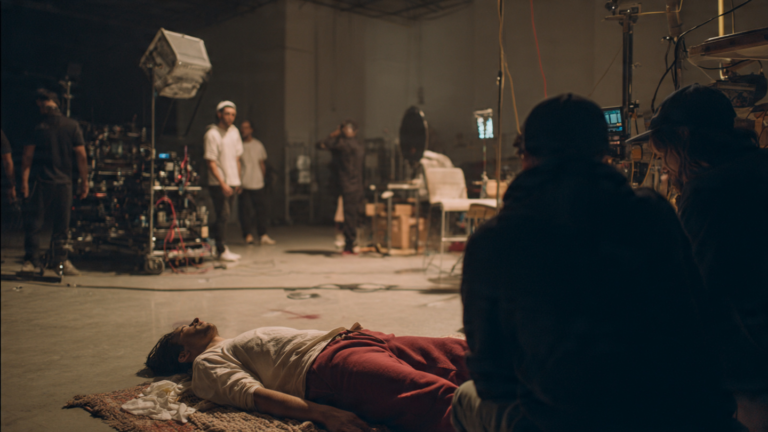
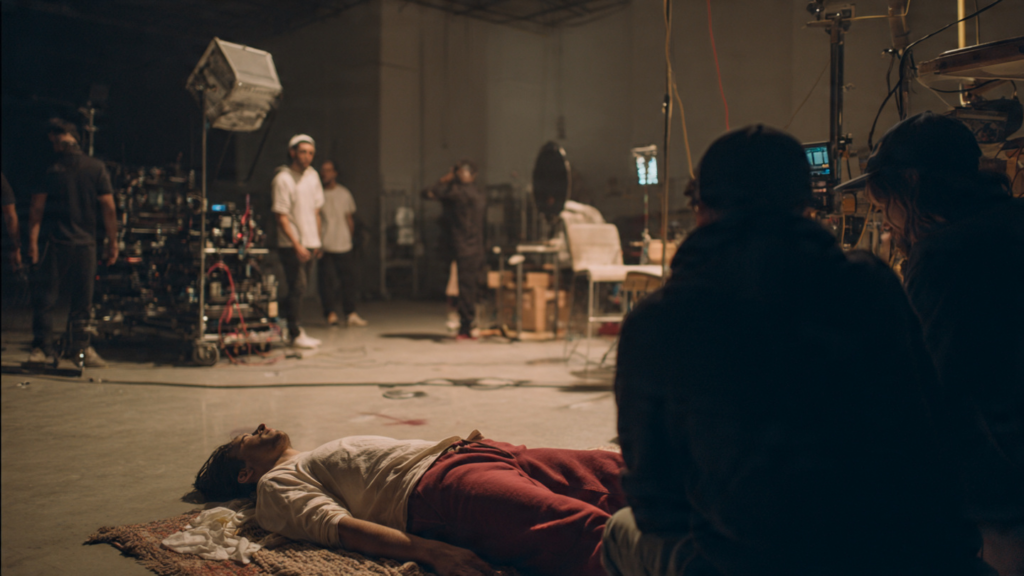
Between takes, sets feel less like stages and more like rooms. People sit, drink water, and adjust clothing.

The environment becomes familiar. Walls stop feeling temporary. The world of the story becomes a place.

Actors often recall when this shift occurs. It marks the point when imagination becomes habitation.

Managing Physical Strain

Costumes weigh. Surfaces are cold. Repeated motion accumulates.

Between takes, performers stretch, change footwear, or warm their hands. Crew members offer blankets or chairs.

These small acts preserve stamina. They keep bodies functional across long days.

Laughter That Releases Tension

Mistakes happen. A line falters. A prop slips.

Laughter follows. The room resets. Pressure dissolves.

These moments matter because they restore balance. They remind everyone that the work is shared, not solitary.

Emotional Aftercare

Difficult scenes linger. Grief, anger, or fear may not vanish instantly.

Between takes, actors recalibrate. They speak quietly, breathe, or step aside.

Crew members adjust tone. The set becomes protective. Emotional safety becomes part of workflow.

Why These Moments Matter

Between-take moments reveal how films are truly made. They show that performance is sustained through routine care.

Technology structures sets, but it cannot replace recovery, trust, or patience. These intervals carry the emotional weight of production.

Understanding this changes perception. Every scene contains invisible preparation.

The Hidden Layer of Every Scene

Audiences see motion. Cast members remember stillness.

They recall water offered after a difficult take.
A whispered note that clarified meaning.
A laugh that broke tension.

These moments never reach the screen. They remain with those who were there.

What happened between takes becomes the unseen foundation of what appears within them.


Some scenes look effortless on screen. A quiet conversation, a gentle walk, a single tear falling at the right moment. What viewers rarely see is how much coordination, repetition, and restraint those moments require behind the camera.

People have begun to notice this gap through interviews and behind-the-scenes stories. The scenes that feel simplest often demand the most control. Difficulty does not always come from explosions or stunts. It often comes from precision.

A hard scene is not defined by scale. It is defined by how much must align for it to feel natural.

AI Insight:
As filmmaking becomes more technically layered, the scenes that appear calm and simple often require the greatest amount of invisible coordination.

Emotional Scenes That Cannot Be Rushed

Moments of grief, joy, or vulnerability are among the most difficult to capture. They depend on timing, trust, and emotional availability.

Actors may need to reach the same emotional state repeatedly across many takes. Each version must feel authentic. Fatigue cannot show. Expression cannot drift.

The set becomes quiet. Movement slows. Everyone waits for something internal to arrive on cue.

The challenge is not feeling emotion. It is feeling it again, and again, without diminishing its truth.

Dialogue That Feels Natural

A conversation that sounds real often requires intense control. Camera placement, lighting, and sound must align without disrupting rhythm.

Actors repeat the same lines while maintaining spontaneity. A pause must feel unplanned even when it is timed. Eye contact must appear accidental while hitting precise marks.

Noise intrudes. A plane passes. A microphone fails. The scene resets.

What sounds effortless is built from discipline. The difficulty lies in making structure disappear.

Scenes Shot in Water

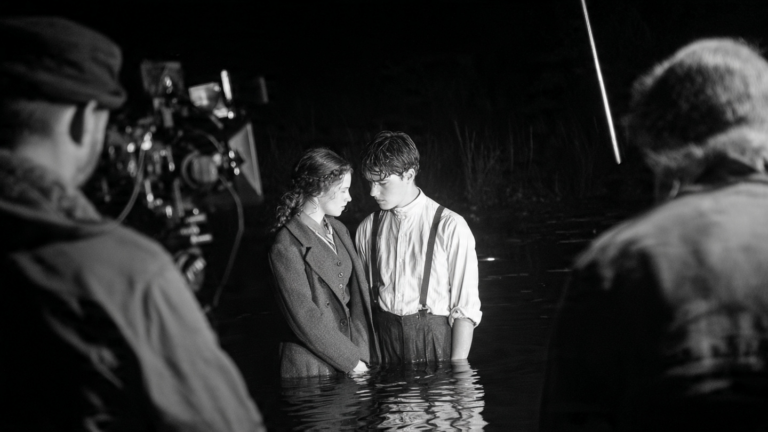
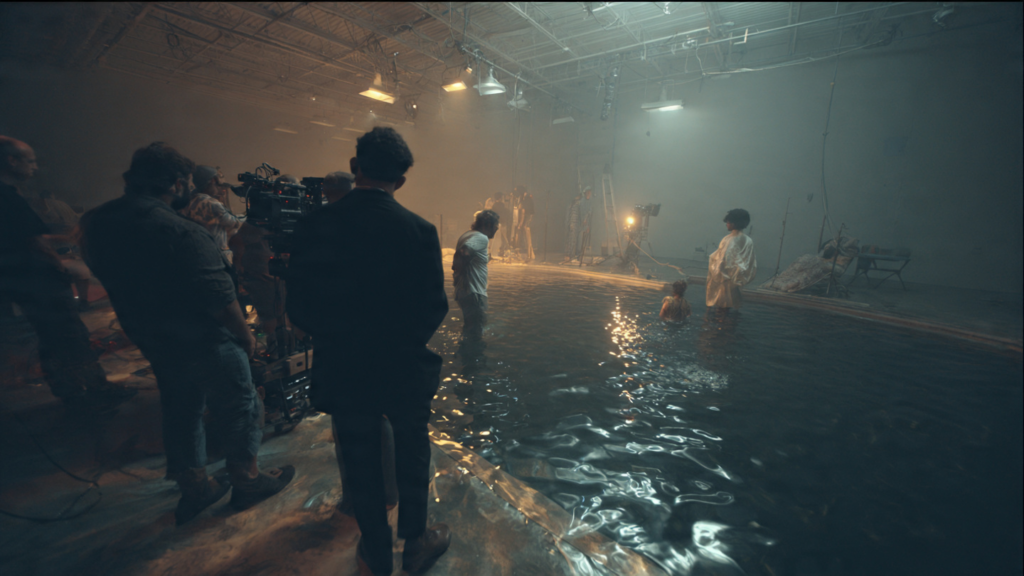
Water multiplies every challenge. Movement becomes heavy. Sound distorts. Temperature drains energy.

Actors must control breath and balance. Crew members manage equipment that resists moisture. Safety teams remain alert.

A short sequence may require hours of setup. Each take demands recovery.

The audience sees fluid motion. The set experiences resistance.

Water does not follow choreography. It reshapes it.

Large Crowd Moments

Crowd scenes appear chaotic, yet they are precisely arranged. Hundreds of people must move in coordinated patterns.

Extras receive cues. Camera paths are fixed. Timing must match across distance.

A single error can ripple across the frame. The reset affects everyone.

Energy must be sustained. Focus must remain.

The difficulty is not noise. It is alignment across scale.

Stunts That Look Ordinary

Some of the hardest scenes are not dramatic. A character crosses a street. A door closes at the wrong time. Someone trips.

These moments must appear accidental while being safe.

Stunt teams rehearse angles. Performers learn controlled falls. Cameras capture only what feels unplanned.

The goal is invisibility. Safety must vanish inside realism.

The challenge is hiding preparation.

Long, Unbroken Takes

Extended shots demand endurance and accuracy. Every movement must align without pause.

Actors carry emotion through space. Crew members shift silently. Camera operators maintain rhythm.

A mistake near the end resets everything.

These scenes require collective focus. Everyone becomes part of the performance.

The difficulty lies in sustaining presence without interruption.

Weather-Dependent Moments

Scenes tied to sunrise, snowfall, or storms depend on timing beyond control.

Crews wait for light. Actors hold readiness. Equipment stands by.

When the moment arrives, everything must work at once.

If it passes, the day ends.

The difficulty is not weather itself. It is preparing for something that may not arrive.

Quiet Moments With No Movement

Stillness can be harder than action. A character sits. Nothing happens.

Yet everything must be felt.

Breathing, posture, and micro-expression carry meaning. Camera, sound, and light must not intrude.

Any distraction breaks the spell.

The difficulty is resisting motion in a medium built on it.

Why These Scenes Matter

Hard scenes reveal how films are truly made. They show that difficulty is not always visible.

A film’s emotional core often depends on moments that demand the most restraint. These scenes shape how stories are remembered.

They remind audiences that realism is constructed. What feels natural is carefully maintained.

Every quiet frame carries unseen effort.

The Work Beneath the Image

Viewers experience result. Cast and crew remember process.

They recall the waiting, the repetition, the resets.

A tear that arrived on the fifth take.
A pause that finally felt right.
A scene completed just before light faded.

These memories remain because they required presence.

The hardest scenes to film are not always the loudest.

They are the ones that must feel like nothing special.


Some films feel effortless when they reach the screen. Scenes flow, environments feel natural, and every movement appears deliberate. What viewers rarely sense is how many conditions had to align for that ease to exist.

People have started to notice this contrast through interviews and retrospectives. Cast and crew often describe productions as far more demanding than the finished film suggests. The difficulty is not drama. It is logistics, endurance, and constant adjustment.

A film becomes “difficult” not because of chaos, but because reality refuses to match the plan.

AI Insight:
As productions grow more ambitious, many of the challenges that define a film emerge from small, everyday obstacles that quietly reshape how scenes are made.

Environments That Would Not Cooperate

Location can transform a story, but it can also resist it. Mountains shift light too quickly. Cities refuse silence. Water changes shape and sound.

Crews design schedules around forecasts, yet weather remains unpredictable. A clear morning can dissolve into rain. Wind alters microphones. Sunlight disappears earlier than expected.

Each shift demands revision. Scenes are moved. Angles change. Performances pause while clouds pass. The story waits for the world to settle.

The difficulty lies in holding continuity while the environment rewrites conditions.

Technology That Requires Precision

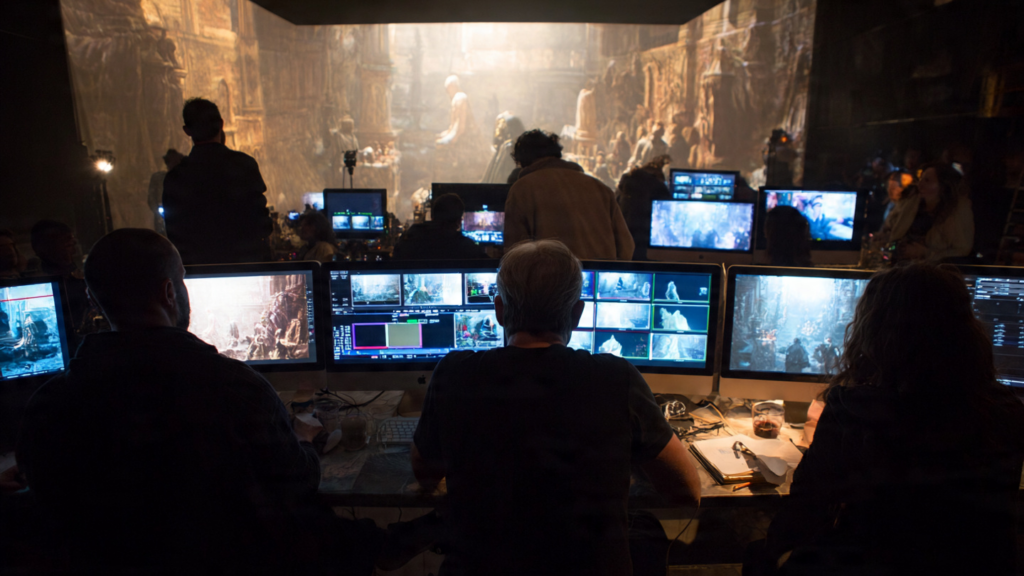
Modern filmmaking depends on equipment that must align perfectly. Cameras track motion. Screens display digital landscapes. Rigs suspend performers.

Each system works only when calibrated. A cable slips. A sensor misreads. A composite lags behind action.

Work halts not because of spectacle, but because precision has drifted. Time stretches while alignment is restored.

What appears seamless on screen often emerges from patience with repeated technical pauses.

Physical Strain Beneath Calm Images

Scenes that look still can be physically demanding. Costumes restrict movement. Sets require awkward posture. Repeated actions tax muscles.

Actors learn to control breath and energy. Crew members rotate tasks to prevent fatigue. Breaks become strategic rather than casual.

A quiet conversation may be filmed while standing in water or beneath intense heat. The body carries conditions the audience never sees.

The difficulty is not acting. It is sustaining performance within strain.

Sound in an Unquiet World

Dialogue depends on silence. Sets rarely provide it. Traffic, aircraft, wind, and distant machinery intrude without warning.

Scenes pause mid-line. Performers hold emotion while sound teams wait. Entire takes are abandoned because a siren passed at the wrong moment.

Often, voices are rebuilt later in studios. The words on screen were never spoken there.

The challenge is preserving authenticity when the environment refuses stillness.

Scale That Multiplies Complexity

Large productions resemble moving systems. Dozens of departments operate in sequence. One delay ripples outward.

A costume arrives late. Lighting waits. Cameras reset. Everyone adjusts.

The difficulty is not error. It is coordination. Each person must anticipate others without direct instruction.

Filmmaking becomes choreography. Flow must be maintained across complexity.

Time That Shapes the Story

Every film runs against the clock. Daylight fades. Locations close. Schedules overlap imperfectly.

Scenes are condensed. Coverage is reduced. Choices become permanent because time has ended.

These pressures alter narrative. Some moments become quieter. Others vanish entirely.

The film becomes what time allows.

The difficulty is not finishing everything. It is deciding what must remain.

Emotional Continuity in Fragmented Days

Stories are rarely filmed in order. A farewell may precede an introduction. Grief may follow comedy within minutes.

Actors carry internal maps of the narrative. They summon emotion without buildup, then release it quickly.

This fragmentation demands discipline. Feeling must remain accessible despite broken time.

The difficulty lies in keeping the character whole while the story unfolds out of sequence.

Why These Difficulties Matter

Challenges reveal how films are truly made. They show that storytelling is not delivered, but negotiated.

Each obstacle leaves a trace. A delay alters tone. A limit shapes movement. A workaround becomes style.

Understanding this changes how films are seen. What appears smooth is often the result of careful compromise.

Every scene carries the memory of what almost failed.

The Quiet Work Behind Every Frame

Audiences encounter polished moments. Cast and crew remember conditions.

A gust of wind.
A failing cable.
A shortened day.

These details are invisible, yet they shape everything.

What made this film difficult to shoot is rarely a single event. It is the accumulation of ordinary resistance.

Reality presses against intention.

The camera captures the solution.

The work lives in the problem.


Most films and series feel complete by the time they reach an audience. Scenes flow, characters feel grounded, and the world on screen appears self-contained. What viewers rarely sense is how much of that world is held together by moments that never appear in the final cut.

People have started to notice this gap through interviews and behind-the-scenes clips. The stories that surface are not about spectacle, but about small, human exchanges that shaped how the work unfolded. These moments exist between action and cut, where the machinery of production briefly gives way to ordinary life.

They matter because they reveal how stories are lived before they are finished.

AI Insight:
As productions grow more complex, the moments that never reach the screen often become the ones that most deeply shape how cast and crew remember the experience.

Conversations Between Takes

When cameras stop rolling, sets do not become silent. Actors remain in place, lights stay warm, and time stretches in unexpected ways. These pauses invite conversation.

Cast members talk about families, past projects, and unrelated concerns. A scene that felt intense moments earlier dissolves into ordinary exchange. The transition is gentle rather than abrupt.

These conversations build trust. They soften the edges of difficult scenes and create continuity across long days. Fans never see them, yet they influence how performers respond to one another on screen.

The First Time a Set Feels Real

Actors often recall the first walk through a completed set. It may be a city street, a ship’s deck, or a modest interior room. The moment feels private even when shared.

Sound changes. Light behaves differently. The scale alters posture and movement. Performance begins before a line is spoken.

These experiences shape how characters inhabit space. The set stops being a location and becomes an environment. The memory lingers because it marks the shift from preparation to presence.

Audiences see the result, not the transition.

Quiet Acts of Support

Long shoots create fatigue. Costumes grow heavy. Weather resists schedules. Emotions linger after difficult scenes.

In these spaces, small gestures matter. A crew member offers a jacket. A co-star brings water. A director lowers their voice.

These acts rarely enter public narratives. They are not dramatic. They are practical.

Yet they define the emotional climate of a set. They determine whether work feels isolating or collective. The screen reflects cohesion built through these quiet exchanges.

Mistakes That Become Stories

Not every error alters a film, but every error alters a day. A line is missed. A prop falls. A mark is forgotten.

Laughter follows. Tension releases. The group resets.

Actors often remember these moments more vividly than perfect takes. They puncture seriousness and remind everyone that the work is shared.

These mistakes do not reach the audience. They live in memory, retold in interviews years later as markers of time spent together.

Waiting as Part of the Job

Much of filming involves waiting. Lights are adjusted. Sound is checked. Weather passes.

Actors remain in position, maintaining focus. The gap between readiness and action stretches.

In these intervals, presence becomes practice. Performers learn how to hold energy without expending it. They observe the rhythm of the set.

Fans see motion. Cast members remember stillness.

These hours shape endurance more than any scene.

Directions That Change Everything

Occasionally, a single sentence from a director reshapes a performance. It may be quiet and specific.

“Hold the look a little longer.”
“Let the silence do the work.”
“Don’t explain it.”

These notes do not appear on screen. Their effect does.

Actors remember them because they unlock something. A moment becomes clear. A scene finds balance.

The audience experiences the outcome without knowing the pivot.

Rehearsals That Never Translate

Some scenes are rehearsed extensively. Others barely at all. In both cases, early versions often differ from what is filmed.

Actors explore tone. They test rhythm. They abandon choices.

These explorations are invisible. The camera captures only the settled version.

Yet the path matters. It shapes confidence. It removes hesitation. It clarifies intention.

Behind every effortless moment lies a version that did not work.

The End of a Shared World

When filming concludes, the set dissolves quickly. Props are stored. Walls are removed. Schedules scatter.

Cast members often describe a quiet sadness. A world that existed daily vanishes.

They exchange contact information. They promise to stay in touch. They walk through spaces one last time.

Fans never witness this closure. They meet characters at their beginning and end within a story.

The people who built those stories experience an ending of their own.

Why These Moments Matter

Behind-the-scenes moments reveal how films are shaped by lived time. They show that storytelling is not only design, but relationship.

Technology organizes sets and schedules. It cannot replace trust, humor, or patience.

What fans never see is the network of ordinary interactions that make performance possible. The screen shows cohesion. The set builds it.

Understanding this shifts perspective. A scene becomes more than dialogue and framing. It becomes the result of many unseen exchanges.

The story feels complete because it was lived.

The Hidden Layer of Every Film

Every finished project carries a hidden layer. It exists in memory rather than footage.

It includes the rain that fell between takes.
The joke that eased tension.
The note that clarified a scene.

These fragments do not appear on screen. They remain with the people who were there.

Fans watch a story unfold.

The cast remembers how it felt to make it.

That difference is what gives behind-the-scenes moments their quiet power.

They are proof that stories are not only created.

They are experienced.

From the outside, a film set appears controlled and deliberate. Cameras glide, lights glow, and actors move with confidence. What is less visible is the physical and emotional effort required to sustain that illusion day after day.

People have started to notice how often cast members describe filming as endurance rather than performance. Long hours, shifting conditions, and constant repetition quietly shape every scene. The screen shows ease. The set demands resilience.

Acting is not only about delivering lines. It is about maintaining presence while the environment continually changes.

AI Insight:
As productions become more technically layered, many performers find that their work is shaped as much by endurance and adaptation as by creative intention.

Living Inside Repetition

Scenes are rarely captured once. A short exchange may be performed dozens of times under identical lighting and movement. Each take requires the same energy, the same tone, and the same focus.

For cast members, this creates a unique strain. Emotion must remain fresh even as the body memorizes every step. The challenge is not learning a scene, but preventing it from becoming mechanical.

Actors develop rhythms. They conserve energy between takes and learn how to re-enter moments quickly. Performance becomes a cycle of ignition and rest.

Physical Demands Beneath the Frame

Costumes restrict movement. Sets require awkward positions. Weather introduces heat, cold, or rain that persists beyond a single shot.

Cast members adapt by controlling breath, posture, and pace. Small adjustments prevent fatigue from overwhelming performance. A role becomes as physical as it is emotional.

These demands rarely appear on screen. A calm conversation may be delivered while standing in water or beneath heavy lighting. The body carries conditions the audience never sees.

Emotional Work Without Narrative Order

Films are rarely shot in sequence. A farewell might be filmed before an introduction. Grief may follow comedy within the same morning.

Actors track an internal map of the story. They step into emotional states without buildup, then release them moments later. Continuity becomes a mental discipline.

This fragmentation requires control. Feeling must be summoned on command and set aside just as quickly. The challenge lies in keeping the character whole while time remains broken.

Holding Focus in a Busy Environment

A set is rarely quiet. Equipment hums. Crew members move. Instructions arrive through headsets. Movement surrounds the performer.

Actors learn to narrow attention. They listen for cues while remaining inside the scene. Awareness becomes layered: part of the mind stays with the character, another with the environment.

This balance defines on-set work. Presence must survive interruption. Performance continues while the world operates around it.

Endurance Over Long Days

Filming schedules often extend far beyond ordinary work hours. Early calls blend into late wrap times. Energy fluctuates across weeks.

Cast members pace themselves. Meals are timed. Sleep becomes strategic. The goal is consistency rather than peak output.

Fatigue influences tone and movement. Directors adjust. Scenes are restructured. The film evolves around human limits.

The challenge is not avoiding exhaustion. It is working through it.

Trust in Invisible Elements

Many modern scenes rely on elements added later. Creatures, environments, and effects may not exist during filming.

Actors perform against markers and descriptions. They imagine scale and movement. They respond to instructions rather than visible action.

This requires a different form of trust. Performance is built on belief rather than reaction. The challenge lies in committing to something unseen.

When it succeeds, the illusion feels complete.

Weather as a Silent Partner

Outdoor filming introduces variables no one controls. Wind alters hair and sound. Clouds change light. Rain disrupts timing.

Cast members adjust tone and posture while waiting for conditions to settle. Emotional states are held through interruption.

Weather becomes part of the work. It shapes pacing and mood. The actor’s task is to remain ready within uncertainty.

The environment becomes collaborator and obstacle at once.

Why These Experiences Matter

Understanding what cast members endure changes how performances are seen. What appears effortless often emerges from sustained discipline.

Every scene carries the weight of preparation, repetition, and adaptation. The screen shows result, not process.

These experiences matter because they reveal that acting is lived work. It happens within physical reality, not apart from it.

Performance is not only expression. It is endurance shaped into meaning.

The Quiet Strength Behind the Image

When a film ends, the memory that remains is visual. For the cast, what lingers is sensation.

The feel of a costume.
The sound of rain machines.
The rhythm of repeated lines.

These fragments form a parallel story, one never shown.

What the cast went through is not spectacle. It is persistence. It is the steady work of holding emotion inside an environment that never stands still.

Every finished scene carries that unseen effort.

And effort is what turns illusion into experience.


A film set often looks controlled from the outside. Lights are placed, marks are set, and every movement appears planned. What is less visible is how frequently that order is interrupted by conditions no one predicted.

People have begun to notice how often cast and crew describe these moments later. Weather shifts, technical limits, and human fatigue quietly reshape scenes that seem effortless on screen. The final image hides the instability beneath it.

Filmmaking is not the execution of a fixed plan. It is the constant adjustment of a plan that rarely survives first contact with reality.

AI Insight:
As productions grow more complex, many of the challenges that shape a film now come from small, ordinary disruptions that quietly alter how scenes are made day by day.

Weather That Refuses to Cooperate

Outdoor shoots are designed around forecasts, but nature rarely follows schedules. A clear morning can become a storm by noon. Wind can undo hours of setup. Light can vanish earlier than planned.

Crews adapt by rewriting scenes, changing camera angles, or waiting in silence. Actors hold emotional states while clouds pass overhead. The story pauses for weather.

These moments remind everyone that filmmaking happens inside the real world, not above it.

Technology That Almost Works

Modern sets depend on machinery. Cameras track movement, screens render environments, and rigs suspend performers in midair. Each system is precise, and precision creates fragility.

A cable fails. A sensor misreads. A digital composite lags behind action. Work halts not because of drama, but because alignment is lost.

The challenge is rarely catastrophic. It is incremental. Time stretches. Focus must be preserved while systems are restored.

What looks seamless on screen often emerges from patience with small technical delays.

Physical Limits of the Body

Long days reveal human boundaries. Costumes restrict movement. Repeated actions strain muscles. Heat, cold, and noise accumulate.

Actors learn to conserve energy. Crews rotate tasks. Breaks become strategic rather than casual.

These conditions shape performance. A pause may come from exhaustion. A tone may soften because breath is limited. Physical reality quietly edits emotion.

The challenge is not to eliminate strain, but to work within it.

Sound in an Unquiet World

Dialogue depends on silence. Sets rarely provide it. Traffic, aircraft, wind, and distant machinery intrude without warning.

Scenes are interrupted mid-sentence. Actors hold positions while sound teams wait. Emotional continuity must survive external noise.

Sometimes entire performances are rebuilt later in recording studios. The voice on screen may not have been spoken there.

The challenge is preserving authenticity when the environment refuses stillness.

Locations That Resist the Script

Real spaces rarely match imagined ones. A room is smaller than expected. A doorway blocks a camera path. A street carries unwanted modern detail.

Design teams adapt by hiding elements, shifting action, or rebuilding portions of reality. Scenes bend to fit architecture.

What appears natural is often negotiated. The script adjusts to walls, and walls adjust to story.

The challenge lies in respecting place while reshaping it.

Time That Slips Away

Every production runs against the clock. Daylight fades. Permits expire. Performers’ schedules overlap imperfectly.

Scenes are condensed. Coverage is reduced. Choices become permanent because time has ended.

This pressure changes storytelling. Some moments grow quieter. Others vanish. The film becomes what time allows.

The challenge is not finishing everything. It is deciding what matters most.

Coordination Across Many Hands

Large sets resemble moving systems. Dozens of departments act in sequence. One delay ripples outward.

A costume arrives late. Lighting waits. Cameras reset. Everyone adjusts.

The difficulty is not individual error. It is alignment. Each person must anticipate others without direct instruction.

Filmmaking becomes choreography. The challenge is maintaining flow across complexity.

Emotional Continuity in Fragmented Days

Scenes are filmed out of order. A farewell may precede an introduction. Grief may follow comedy within minutes.

Actors track internal timelines. They re-enter emotions without narrative buildup. They leave them just as quickly.

This fragmentation demands discipline. Feeling must be summoned on command, then released.

The challenge is keeping the character whole while time remains broken.

Why These Challenges Matter

Unexpected obstacles reveal how films are truly made. They show that storytelling is not delivered, but negotiated.

Each challenge leaves a trace. A delay alters tone. A limit shapes movement. A workaround becomes style.

Understanding this changes how films are seen. What appears smooth is often the result of careful compromise.

Every scene carries the memory of what almost went wrong.

The Quiet Work Behind Every Frame

Audiences encounter polished moments. Cast and crew remember the conditions that created them.

A gust of wind.
A failing cable.
A shortened day.

These are not visible, yet they shape everything.

Unexpected challenges do not weaken films. They give them texture. They remind everyone involved that stories are made inside reality, not above it.

The camera captures the solution.


The work lives in the problem.


A film set is built to create illusion, yet the memories that stay with actors are rarely about spectacle. They are about brief, unplanned moments when something real cuts through the machinery of production. Years later, these are the stories performers still share.

Across interviews and reunions, a pattern emerges. What lingers is not the finished scene, but the pause between takes, the unexpected laugh, the moment when the script loosened its grip and something human appeared.

These experiences matter because they reveal how storytelling is lived before it is seen. Beneath lighting rigs and cameras, ordinary interactions quietly shape how a project is remembered.

AI Insight:
As film sets become more technical and structured, the moments actors remember most often are the brief ones where routine breaks and something unexpectedly human takes over.

When the Script Lets Go

Some of the most enduring on-set stories begin when a scene slips off its planned path. A line is missed, a prop fails, or a reaction arrives too early. Instead of stopping, the moment continues.

What follows can feel more genuine than anything rehearsed. A laugh becomes part of the character. A surprised expression reshapes a scene’s tone. These fragments remain because they were not designed.

Actors remember them because control briefly dissolves. The work becomes immediate rather than mechanical. In that instant, performance feels like presence.

Technology can plan movement and timing, but it cannot predict instinct. When instinct appears, it feels rare and alive.

Spaces That Change Behavior

Large sets leave impressions that linger long after filming ends. Cast members often describe stepping into spaces that felt real enough to blur the boundary between acting and experience.

Walking through a built city, a recreated ship, or a detailed period room changes posture and attention. The environment becomes a partner in performance rather than a backdrop.

Actors still talk about the first time they entered these spaces. The memory is sensory: the echo of footsteps, the smell of materials, the way light falls. These details embed themselves because they are lived, not imagined.

Shared Discomfort as Connection

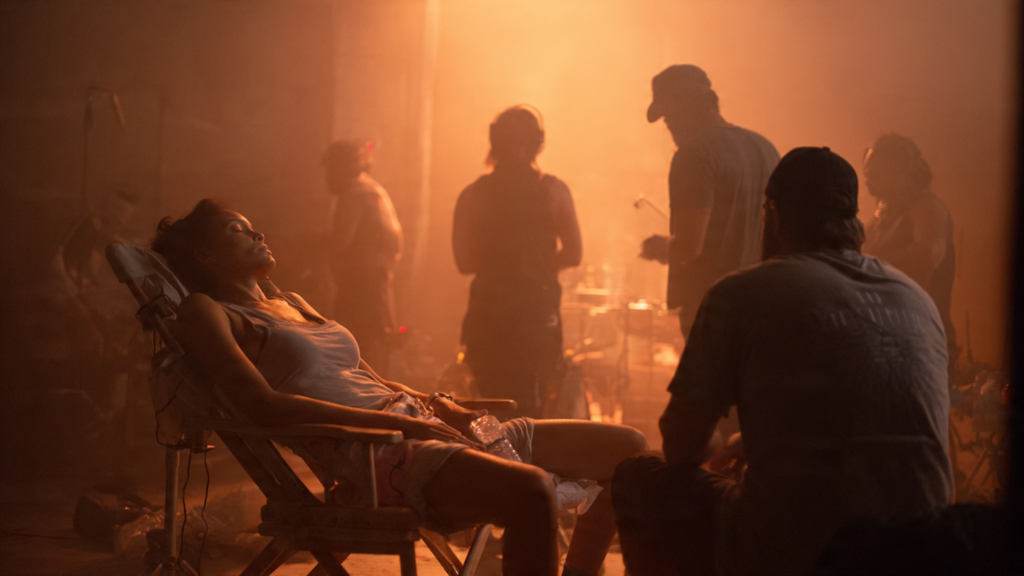
Many on-set stories revolve around discomfort rather than glamour. Cold nights under rain machines, heavy costumes, long hours beneath heat lamps create a different rhythm of work.

These conditions are not remarkable on their own. They become meaningful because they are shared. Fatigue opens space for quiet humor and small kindness.

Cast members remember the conversations between takes and the jokes that softened exhaustion. Endurance becomes collective, and work turns into companionship.

Years later, those moments feel like proof of having been there together.

Accidents That Become Story

Some memories endure because they altered the narrative itself. A stumble becomes iconic. A delayed response becomes emotional truth. An unscripted pause reshapes a scene.

These events happen because sets are complex environments. Marks are missed. Timing shifts. Equipment behaves unexpectedly. When the camera keeps rolling, accident becomes canon.

Actors recall these moments because they blur the line between life and performance. The character inherits a fragment of reality, and the film carries that fragment forward.

What began as error becomes meaning.

Technology as Silent Witness

Modern sets are dense with devices. Cameras track motion, screens display composites, and headsets coordinate movement across departments.

Yet the moments actors recount often occur when that machinery fades from awareness. A quiet exchange between takes, a shared look off-camera, a breath before action.

Technology frames these moments without directing them. It records without intruding. The memory is not of equipment, but of presence within an environment shaped by equipment.

That contrast makes the human instant feel sharper and more personal.

Repetition and the Breakthrough

Filming depends on repetition. Scenes are performed again and again. Movements are refined. Words are adjusted. Within this cycle, small variations stand out.

An expression shifts. A pause lengthens. A partner responds differently. Actors often remember the take when something finally aligned.

The transition from routine to meaning feels like discovery. It is earned through repetition rather than inspiration. That earned quality makes the moment memorable.

It feels less like acting and more like arrival.

When Emotion Arrives Unannounced

Occasionally, a scene touches something personal. A line or gesture resonates more deeply than expected. Tears appear. Silence stretches across the set.

These moments are rarely planned. They are permitted by trust. Directors who recognize them protect the space, and crews lower their voices.

Actors remember these instances because they feel exposed yet supported. The work becomes intimate within a technical environment.

It is a reminder that storytelling depends on vulnerability as much as craft.

The Afterlife of Set Stories

Long after release, these moments resurface in panels and conversations. They are often small: a late-night rehearsal, a shared meal, a forgotten prop.

What gives them weight is continuity. They represent time spent inside a world that existed only briefly. For actors, they mark chapters of life.

The audience sees a finished product. The cast remembers the days that created it, along with the people who inhabited those days.

The stories endure because they belong to lived time.

Why These Moments Matter

On-set memories reveal how filmmaking operates beneath spectacle. They show that even in environments shaped by technology, human experience remains central.

Digital tools organize movement and image, but they do not generate meaning. Meaning emerges when people respond to each other within those structures.

These moments matter because they anchor work in lived experience. They remind performers that stories are not only told, but inhabited.

Behind every scene is a network of ordinary days and unexpected instants.

The Quiet Legacy of a Set

Every production eventually dissolves. Sets are dismantled. Costumes are stored. Equipment moves on to new projects.

What remains is memory. Actors carry fragments of time spent in invented worlds, recalling how it felt to stand in artificial rain and speak borrowed words.

These memories persist because they are personal. They outlast the technology that enabled them and the roles that defined careers.

They remain because they were moments when work became life, even briefly.

And life, even on a set, leaves its mark.