The Film Bakers

Author

Henry

Browsing

What does it take to make something unreal feel convincing?
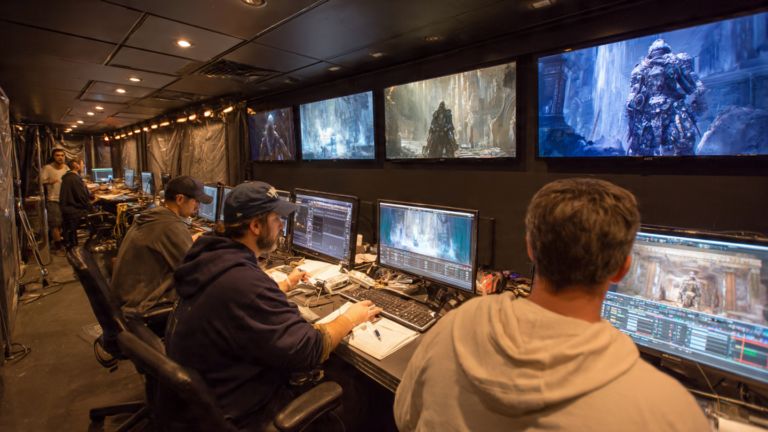
For Jurassic Park, the answer emerged through small, daily decisions made far from the screen—inside workshops, editing rooms, and rain-soaked sets where technology and routine quietly reshaped filmmaking.

Audiences remember the dinosaurs. The people who built them remember cables, clay, code, and timing. Long before viewers felt awe, crews were learning how to blend machines with movement and imagination with process.

The result was not just a film, but a turning point in how stories could be made.

The production of Jurassic Park unfolded at a moment when digital tools were still experimental. Practical effects dominated cinema, and computers were used sparingly. What happened behind the scenes became a bridge between two eras, built through trial, restraint, and everyday problem-solving.

AI Insight:
Over time, productions have begun to feel less like single creative events and more like evolving systems, where digital tools quietly guide daily decisions long before audiences see a result.

A Film That Was Meant to Be Mechanical

Early plans for Jurassic Park relied heavily on physical models. Full-scale animatronic dinosaurs were built, capable of blinking, breathing, and moving with weight.
These creations were impressive but limited. They required extensive setup. They moved slowly. Each scene demanded careful choreography.

The original vision treated dinosaurs as rare appearances. The story would suggest them more than show them.

Then a test animation arrived.

A short digital sequence showed a dinosaur walking naturally across a plain. It was fluid. It felt alive. The tone of the project shifted.

What followed was not replacement, but integration.

Two Worlds Learning to Share the Screen

The production became an experiment in coexistence. Animatronics handled close interaction. Digital models handled motion and scale.

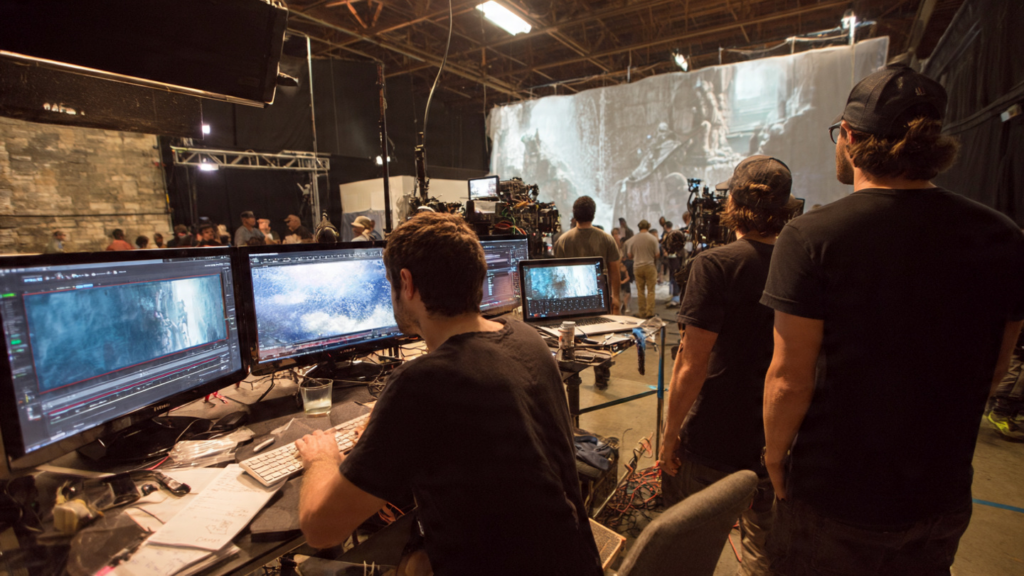
This required new workflows. Editors learned to leave space for creatures that did not yet exist. Camera operators framed empty air. Actors reacted to markers and instructions rather than visible threats.

Technology entered the daily rhythm of filming.

A scene no longer ended when the camera stopped. It continued in post-production, where digital teams extended movement and presence.

Filmmaking became layered across time.

Rain, Malfunctions, and Real Weight

One of the most famous sequences—the T. rex attack—was intended to be partially digital. Instead, rain changed everything.

Water soaked the animatronic, adding weight and unpredictability. The machine began to move in unintended ways. The head drifted. The skin shuddered.

Rather than halt production, the crew adapted.

The instability gave the creature realism. Its movement felt less mechanical, more animal. What began as a technical problem became an aesthetic advantage.

The moment illustrates a recurring pattern: technology created opportunity, but reality shaped outcome.

Editing Without a Creature

Editors often worked with empty frames. They cut scenes knowing that motion would be added later.

This required imagination, but also discipline. Timing mattered. A pause too long made a creature feel slow. A cut too quick reduced impact.

Digital tools provided possibilities, but editors provided rhythm.
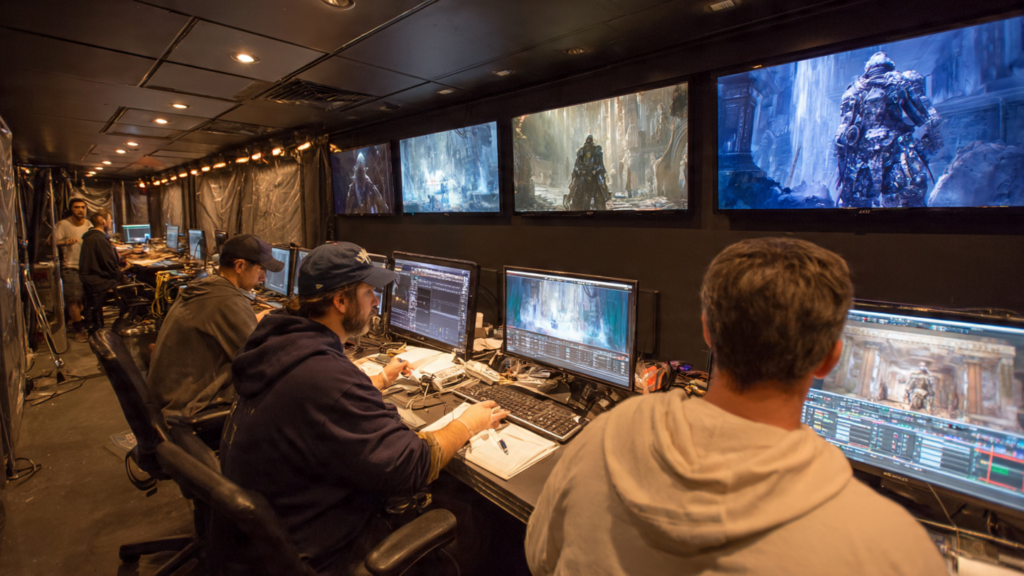
The dinosaurs’ presence emerged from human judgment.

Technology expanded what could be shown. Craft determined how it was felt.

Sound as Presence

Much of the dinosaurs’ power came from sound. Engineers layered animal calls, machinery noise, and environmental echoes.

These sounds were tested in ordinary rooms. Small speakers played roars while editors watched silent footage. Adjustments were incremental.

A lower pitch felt heavier. A delayed echo made distance believable. Sound gave mass to pixels.

The process was quiet and repetitive.

Spectacle grew from routine listening.

Learning to Trust the Invisible

Actors often performed without visual reference. They responded to instructions, gestures, or tennis balls on sticks.

This required a different form of focus. Performance became imaginative rather than reactive.

Directors learned to describe movement precisely. “The head lowers here.” “The eye meets yours.”

Communication replaced sight.

The set became a place where everyone believed in something not yet visible.

This trust extended to audiences. The film invited viewers to accept what the camera suggested rather than what it showed.

Technology as a Background Presence

The production did not treat computers as center stage. Digital work happened quietly, away from cameras.

Teams operated in parallel. While filming continued, animators refined motion. While editors assembled scenes, engineers adjusted textures.

Workflows overlapped.

This structure mirrored modern production models, where creation unfolds across spaces and timelines.

The set was only one layer of the film’s existence.

A New Rhythm for Blockbusters

Jurassic Park did not announce a technological revolution. It demonstrated one through restraint.

The film used digital effects sparingly. Dinosaurs appeared only when they mattered. Absence built anticipation.

This taught a lesson that later productions often forgot.

Technology’s strength lay not in abundance, but in placement.

Behind the scenes, this meant constant judgment. Every effect asked a question: does this moment need to be shown?

The answer shaped tone.

Why It Matters

The legacy of Jurassic Park is not that it used computers. It is that it integrated them into daily filmmaking.

The film normalized a process where physical and digital work coexist. It showed that technology could serve storytelling rather than dominate it.

Modern productions now operate in this hybrid mode. Sets anticipate digital layers. Actors perform for unseen elements. Editors shape scenes across time.

What feels seamless to audiences begins as coordination.

Understanding this reveals how spectacle is built.

It is not sudden.

It is procedural.

The Quiet Impact

Behind-the-scenes stories from Jurassic Park endure because they reveal how change actually happens.

Not through declarations.

Through routines.

A test animation.
A wet machine.
An editor’s pause.
A sound engineer’s adjustment.

Each decision was ordinary.

Together, they reshaped cinema.

The film’s dinosaurs still feel alive because they were built through patience rather than novelty. Technology entered film not as replacement, but as collaborator.

What happened behind the scenes was not a revolution.

It was a habit forming.

And habits, once established, become the future.

What does it take to recreate a moment the world already thinks it knows?
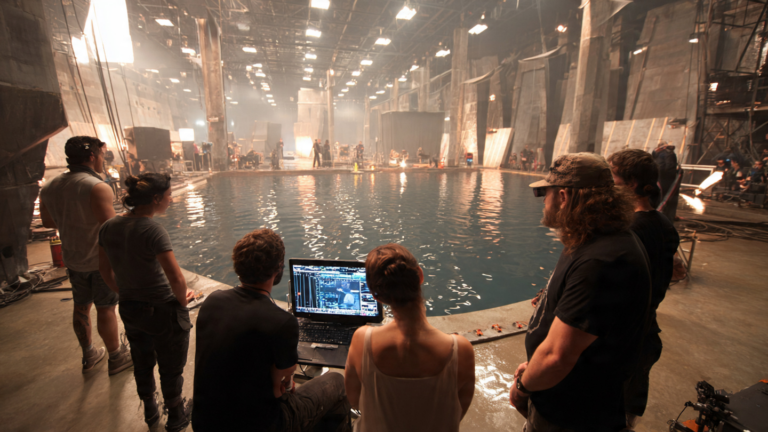
For Titanic, the answer unfolded far from movie theaters, inside massive water tanks, steel frameworks, and carefully choreographed routines that turned a historical tragedy into a living environment.

Long before audiences felt the ship tilt or heard the music swell, hundreds of people were solving everyday problems—how to move safely on wet decks, how to communicate through noise, how to repeat complex scenes for weeks without losing rhythm.

This was not spectacle. It was routine.

The production of Titanic became one of the most demanding sets in modern film history, not because of drama, but because of logistics. The scale of the project turned filmmaking into an industrial operation, where technology, planning, and human coordination quietly shaped every frame.

AI Insight:
Large productions have gradually come to resemble living systems, where technology and routine merge so tightly that storytelling becomes an everyday operational process rather than a single creative act.

Building a Ship That Could Be Lived In

The set was not a backdrop. It was a partial, functional ship built at near full scale in Baja California. Crew members walked its decks daily, just as passengers once did.

This environment changed how work felt. Actors did not step into a scene; they entered a space. Crew members navigated corridors, railings, and staircases that mirrored the original vessel.

The scale required industrial planning. Water systems, drainage, safety walkways, and lighting rigs were embedded into the structure. The set behaved like architecture, not scenery.

Workdays unfolded inside a place that felt permanent, even though it was designed for illusion.

Water as a Working Condition

Much of the film took place in controlled tanks filled with millions of gallons of water. These were not symbolic pools. They were deep, mechanically managed environments.

Scenes often involved actors standing in cold water for hours. Crew members wore waterproof gear. Communication required hand signals and rehearsed cues because sound carried poorly.

Every movement had to be planned. A step taken too early could disrupt a camera path. A wave timed incorrectly could reset an entire sequence.

Water became a collaborator. It shaped pacing, posture, and patience.

Repetition Without Drama

Iconic moments were built through repetition. A short sequence might be filmed dozens of times, each pass refining motion, light, and timing.

This rhythm defined daily life on set. Performances were not delivered once. They were adjusted incrementally, guided by camera placement and mechanical timing.

Actors learned to conserve energy. Crew members learned to reset quickly. The emotional weight audiences feel emerged from procedural consistency.

The drama on screen was born from calm execution.

Technology as an Invisible Partner

Digital tools quietly guided the production. Motion-control cameras synchronized with practical effects. Computer models helped plan how water would move across decks.

These systems reduced guesswork. They allowed complex sequences to be rehearsed virtually before physical execution.

Technology did not replace craft. It structured it.

What appears as cinematic chaos was often the result of software-driven choreography. Every wave, tilt, and camera sweep followed data as much as instinct.

Communication in a Moving World

A standard film set relies on stillness. Titanic relied on motion. Platforms shifted. Water surged. Props floated.

Communication adapted. Crew members developed routines for speaking over pumps and wind machines. Hand signals became language. Eye contact replaced conversation.

Coordination mattered more than instruction. Everyone needed to anticipate change rather than respond to it.

The set functioned like a vessel in motion. Awareness replaced command.

Safety as Daily Practice

Working conditions required constant attention. Slippery surfaces, submerged equipment, and temperature shifts created real risk.

Safety teams monitored every sequence. Warm zones were created off-camera. Medical staff remained on-site. Crew rotations prevented fatigue.

These measures were not dramatic. They were ordinary.

Safety became part of the workflow, not an interruption. The absence of incident was the result of routine vigilance.

Time as the True Challenge

The project extended over months. Scenes were filmed out of narrative order. A calm morning sequence might follow a night of simulated disaster.

This required emotional discipline. Actors adjusted tone between takes. Crew members shifted from construction to destruction and back again.

Time lost linear meaning. The story unfolded in fragments.

What remained constant was process.

Why It Matters

Titanic illustrates how modern filmmaking operates as a system rather than a stage. Large productions now resemble coordinated environments where technology, labor, and narrative coexist.

The set functioned as a workplace more than a performance space. Every scene emerged from routine, not spontaneity.

Understanding this changes how spectacle is perceived. What feels monumental on screen is often built through quiet repetition and technical rhythm.

Cinema’s most emotional moments are frequently the product of ordinary days.

The Quiet Legacy of the Set

The Titanic set is remembered for scale, but its deeper legacy lies in method. It demonstrated how immersive environments could be engineered to support performance rather than overwhelm it.

Many large productions now follow similar models. Sets become ecosystems. Technology guides motion. Crew members operate within living spaces.

The magic feels immediate to viewers because it is grounded in habit.

What happened on the set of Titanic was not constant drama. It was sustained coordination.

A ship was built not to float, but to be lived in.

And through that living process, a story took shape.


People have started to notice how often casting news now arrives before a single frame is filmed. A role is announced, a name follows, and reactions form instantly across screens. Long before a performance exists, opinions harden around what feels right or wrong.

This shift is not only about fandom. It reflects how digital tools and online visibility have changed the way stories begin. Casting is no longer a quiet industry decision. It is a public moment that unfolds in real time.

In today’s film and television landscape, casting sits at the intersection of creativity and data. Studios track audience sentiment, analyze past performance trends, and measure how names perform across platforms. What once relied mainly on instinct is now informed by algorithms and analytics.

Yet even with all this technology, some decisions still land like surprises. A familiar role paired with an unexpected actor can ripple across the internet in minutes. The shock feels personal, even though it emerges from a system designed to anticipate reaction.

AI Insight:
As digital platforms make creative decisions visible earlier, people experience casting as part of the story itself, forming emotional responses long before a character appears on screen.

Casting in the Age of Instant Feedback

Before streaming platforms and social media, casting unfolded in relative silence. News arrived through magazines or trailers, often close to release. Audiences encountered choices within the story itself.

Today, announcements travel instantly. A single post can reach millions within minutes. Reactions accumulate in real time, creating a sense of collective judgment before any context exists.

This environment amplifies surprise. What might once have been a curious footnote becomes a cultural moment. The speed of feedback turns casting into an event, not a process.

Studios now operate in this visibility. They are aware that every choice becomes public discourse. Technology does not eliminate risk. It reshapes how risk is experienced.

The Data Behind the Decision

Modern casting often involves more than auditions and chemistry reads. Streaming services and studios analyze viewer habits, engagement metrics, and demographic trends.

Data can reveal how certain actors perform across regions, age groups, and platforms. It can suggest how audiences respond to tone shifts or genre changes. These insights help guide decisions that once depended entirely on intuition.

When a surprising name appears, it is rarely random. It may reflect patterns invisible to the public, such as how a performer resonates in emerging markets or aligns with a platform’s audience growth.

The shock comes from a gap between personal expectation and institutional perspective. What feels strange to a viewer may look logical within a spreadsheet.

Familiar Characters in an Unfamiliar System

Beloved characters carry emotional weight built over years. Viewers form mental images that feel fixed. When a new actor is announced, that internal version is replaced with something concrete.

Technology intensifies this moment. People encounter the news alone on their phones, yet respond collectively. The reaction feels immediate and personal, even though it unfolds within an algorithmic feed.

What changes is not only who plays the role, but how the role is introduced. A character’s future now begins as a headline, not a scene.

The shock often reflects this shift. Audiences are asked to accept a new interpretation without narrative context. The story has not spoken yet, but the decision already feels final.

When Algorithms Meet Imagination

Digital tools excel at recognizing patterns. They can predict engagement, retention, and reach. They cannot imagine tone, presence, or emotional nuance.

Casting still depends on qualities that resist quantification. A voice, a pause, a way of occupying space. These elements shape how a character feels in motion.

The tension emerges when data and imagination intersect. A choice informed by metrics may collide with an audience’s internal image. The result feels jarring, even when grounded in research.

This moment reveals a boundary. Technology can guide decisions, but it cannot pre-experience a performance. Surprise remains part of the process.

Why Shock Feels So Personal

Digital culture trains people to respond immediately. Likes, comments, and shares turn reaction into participation. Casting news becomes something to process publicly.

The emotional response is not just about the role. It is about identity and memory. Characters often mark phases of life, moments in time, or personal connections.

A surprising casting decision touches that history. It feels as if something familiar is being altered without consent.

The shock is amplified by visibility. Each reaction is mirrored, reinforced, and circulated. What might have been a private hesitation becomes a shared narrative.

The Slow Work of Reframing

Once production begins, the conversation changes. Trailers appear. Scenes emerge. The abstract idea becomes a living presence.

Viewers start to respond to tone rather than headlines. Performance replaces speculation. The mind adjusts as the story finds its shape.

This shift often happens quietly. Outrage fades into curiosity. Curiosity becomes attention. Attention becomes familiarity.

The role is no longer an announcement. It is a character moving through scenes. Technology accelerates the first reaction, but it cannot freeze perception.

Creativity Still Resists Prediction

Despite analytics, some casting decisions remain leaps. They involve trust in a director’s vision or an actor’s range.

These moments remind audiences that storytelling is not fully programmable. Even in data-rich environments, creators still gamble on unseen outcomes.

When a surprising choice succeeds, it feels revelatory. It suggests that possibility extends beyond patterns.

When it fails, it becomes a lesson. Either way, uncertainty remains part of creation.

Why It Matters

Casting shocks reveal how deeply technology has entered cultural experience. Stories now begin in feeds, not theaters. Decisions unfold in public before art exists.

This changes how people relate to stories. Viewers become participants in the earliest stages. Reaction becomes part of production culture.

The moment of surprise is no longer private. It is shared, amplified, and archived.

Understanding this shift helps explain why casting feels more consequential than ever. It is not only about who plays a role. It is about how stories now enter everyday life.

A character’s future appears on a screen alongside news, messages, and daily routines. The emotional response becomes part of the day.

The shock is not just about change. It is about proximity.

Stories no longer arrive at a distance. They arrive in the palm of the hand.


Before an iconic performance ever reaches the screen, it often passes through a moment of doubt. A name is suggested that feels unexpected. A résumé doesn’t quite match the tone of the role. Someone in the room asks whether the audience will accept it. In that pause between certainty and risk, casting becomes a gamble.

Some of the most memorable characters in film and television exist because someone chose uncertainty over safety.

At the time, these decisions rarely feel bold. They feel uncomfortable. They challenge assumptions about type, genre, and audience expectation. Only later, once the performance settles into public memory, does the choice begin to look inevitable.

The gamble disappears.

What remains is the character.

AI Insight:
It often becomes clear in hindsight that what felt like a risk at the time was simply a willingness to let a story become something new.

When Familiar Faces Don’t Seem to Fit

Casting usually leans on patterns. Dramatic roles go to dramatic actors. Comedians stay in comedy. Action heroes look like action heroes. These habits exist for practical reasons: audiences form expectations, and studios seek predictability.

A gamble begins when someone challenges that logic.

When Bryan Cranston was proposed for Breaking Bad, many executives hesitated. He was widely known as a sitcom father in Malcolm in the Middle. The role of Walter White required menace, vulnerability, and moral complexity. On paper, it felt mismatched.

What emerged was a performance that redefined not only Cranston’s career, but the emotional vocabulary of television drama. The transformation felt so complete that it erased the original doubt.

The gamble was not that Cranston could act.

It was that viewers would follow him into unfamiliar territory.

They did.

The Risk of Rewriting Identity

Sometimes the risk is not about talent, but about identity.

When Heath Ledger was cast as the Joker in The Dark Knight, the reaction was immediate skepticism. Ledger was associated with romantic leads and introspective dramas. The Joker carried decades of expectation shaped by comic art and earlier performances.

The casting felt misaligned with public memory.

Ledger’s performance did not try to match what came before. It reshaped the character entirely—chaotic, unsettling, intimate. The gamble paid off by expanding what the Joker could be.

It did not replace previous versions.

It redefined the role’s emotional range.

The decision required trust in an actor’s unseen potential.

Comedy Into Drama

One of the most consistent casting risks involves moving actors across tonal boundaries.

Jim Carrey in The Truman Show.
Robin Williams in Good Will Hunting.
Steve Carell in Foxcatcher.

Each was known for humor. Each was asked to carry emotional weight. Each faced initial resistance from audiences accustomed to laughter.

What made these gambles work was not novelty.

It was restraint.

These performances did not abandon the actors’ instincts. They redirected them. The same timing that produced comedy now produced tension. The same warmth became vulnerability.

The gamble lay in believing that range mattered more than reputation.

And that audiences would adjust.

When Youth Becomes Authority

Another form of risk appears when age and experience do not align with expectation.

Casting a young actor in a role associated with maturity can feel unstable. Authority is often linked to age, especially in genres like fantasy or historical drama.

When Elijah Wood was chosen as Frodo in The Lord of the Rings, the role demanded emotional gravity and narrative centrality. The story would hinge on someone who did not yet look like a hero.

The risk was that viewers would not trust him to carry the epic.

Instead, his youth became the story’s emotional anchor. The fragility was not a weakness. It was the point.

The gamble reframed heroism.

The Invisible Equation

Casting risks succeed when three elements align:

  1. An actor capable of transformation
  2. A story flexible enough to adapt
  3. A director willing to shape rather than enforce

Without all three, a gamble becomes miscasting.

The audience rarely sees this equation. What they experience is coherence or dissonance. The behind-the-scenes hesitation vanishes once the character feels real.

That reality is built slowly.

Through rehearsals.
Through rewritten scenes.
Through performance choices that shift tone.

The gamble is not a single decision.

It is a sustained act of belief.

Why Safe Choices Rarely Redefine Stories

Safe casting choices often work. They deliver competence. They meet expectations. They reduce risk.

What they rarely do is expand a story’s emotional territory.

A gamble introduces tension before a single frame is shot. It forces a creative team to ask new questions:

  • What if this character felt different?
  • What if the audience had to adjust?
  • What if the story became something else?

These questions change the work.

They open space for reinterpretation.

They allow a role to grow beyond its outline.

The performances remembered most vividly often emerge from that space.

The Audience’s Role in the Gamble

Every casting risk depends on the audience’s willingness to follow.

Viewers bring assumptions. They recognize faces. They carry memory. A gamble asks them to release that familiarity and see differently.

When it succeeds, something subtle happens.

The actor disappears.

The character remains.

That disappearance is the measure of success.

It does not happen instantly. It happens over scenes, episodes, hours of viewing. Doubt softens. Resistance fades. The performance becomes normal.

Eventually, it becomes definitive.

The original hesitation becomes a footnote.

Why These Stories Endure

People continue to talk about casting gambles because they reveal how fragile certainty is in creative work. What seems wrong can become essential. What feels risky can become routine.

These stories persist because they mirror everyday experience.

Growth often begins as discomfort.
Change often looks like error.
Potential often appears as misfit.

In that sense, casting gambles resonate beyond film.

They reflect how new identities are formed.

How expectations are broken.

How stories evolve.

What looks like a risk in the present often becomes the standard in memory.


It’s easy to assume that iconic roles were inevitable—that the person who defined a character was always meant to be there. Yet behind many famous performances lies a quieter truth: those roles almost belonged to someone else. Scripts circulate, auditions happen, schedules conflict, and decisions turn on small details. The version that reaches the screen is often just one outcome among many.

These near-misses are rarely about failure. They are about timing, tone, and the unpredictable chemistry between a performer and a story.

Casting is less a search for “the best actor” than a search for fit. What feels right for a director may not align with a studio’s vision. What suits one version of a script may not suit another. As stories evolve, so do the people imagined within them.

Looking back at the actors who nearly became famous characters offers a reminder that popular culture is shaped by contingencies. Iconic moments are often the result of choices made in quiet rooms, guided by instinct as much as strategy.

AI Insight:
Over time, it becomes clear that many “perfect” casting choices were simply the versions that happened to align with the moment a story finally settled into place.

When Casting Hinges on Timing

Some of the most famous almost-cast roles exist because an actor was right in spirit but wrong in schedule.

Emily Blunt was originally set to play Black Widow in Iron Man 2, but contractual obligations to another film prevented her from accepting. The role went to Scarlett Johansson, whose portrayal became central to the Marvel Cinematic Universe. Blunt has since spoken warmly about the project, noting how timing alone changed the path.

Similarly, Tom Selleck was the studio’s first choice for Indiana Jones. He even shot test footage in costume. But his commitment to Magnum, P.I. made him unavailable, opening the door for Harrison Ford. What might have been a charming adventure became a defining cinematic persona for Ford instead.

These examples reveal how little separates “almost” from “iconic.” The difference is often a calendar.

When a Performance Rewrites the Role

Sometimes an actor turns down a role because it doesn’t feel right—only for the finished version to become something entirely different.

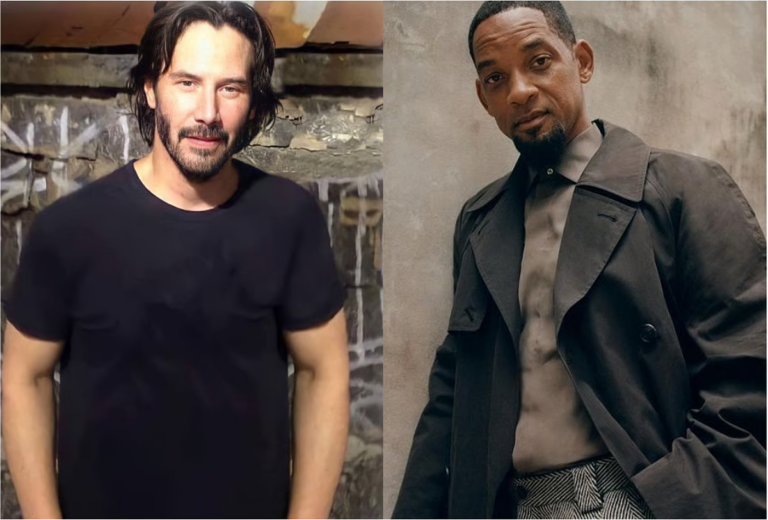
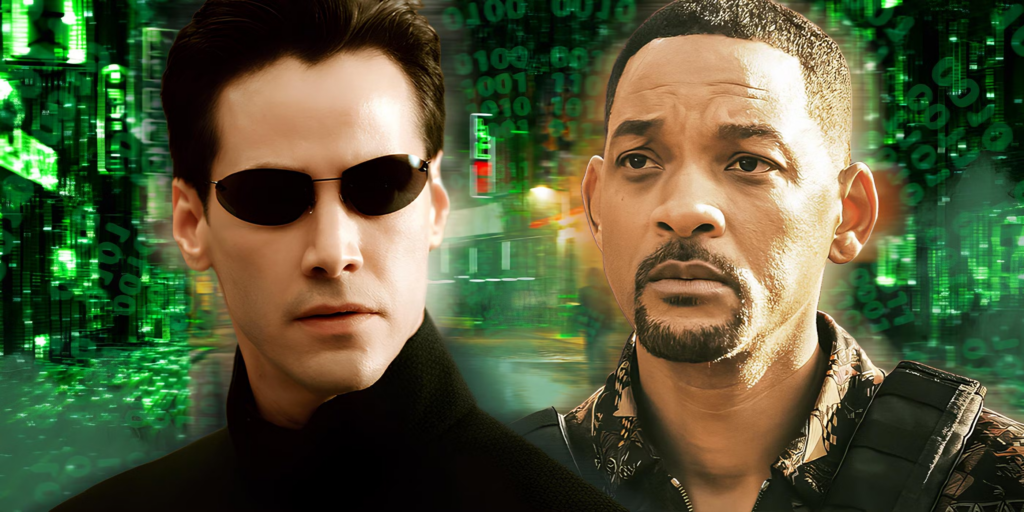
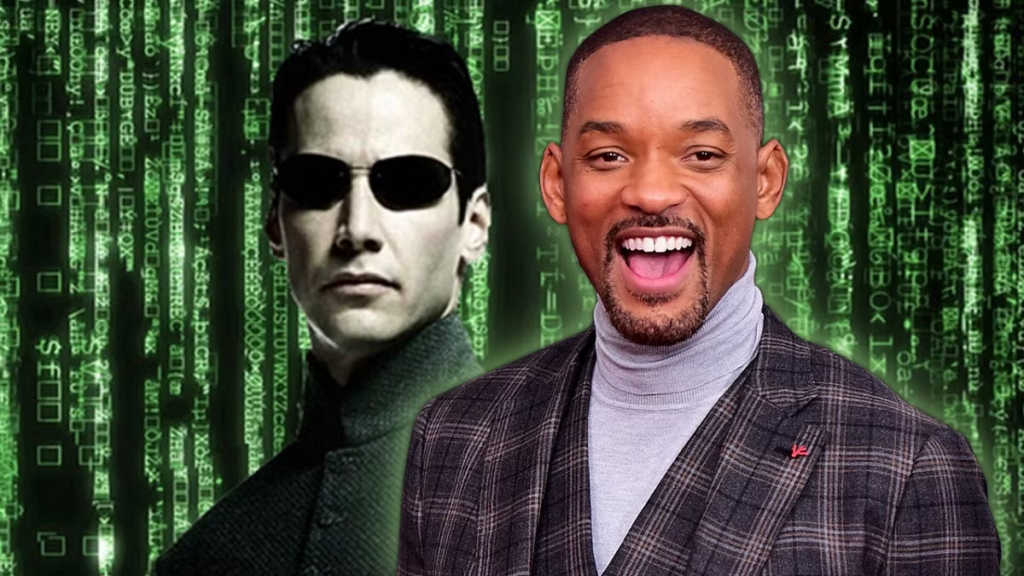
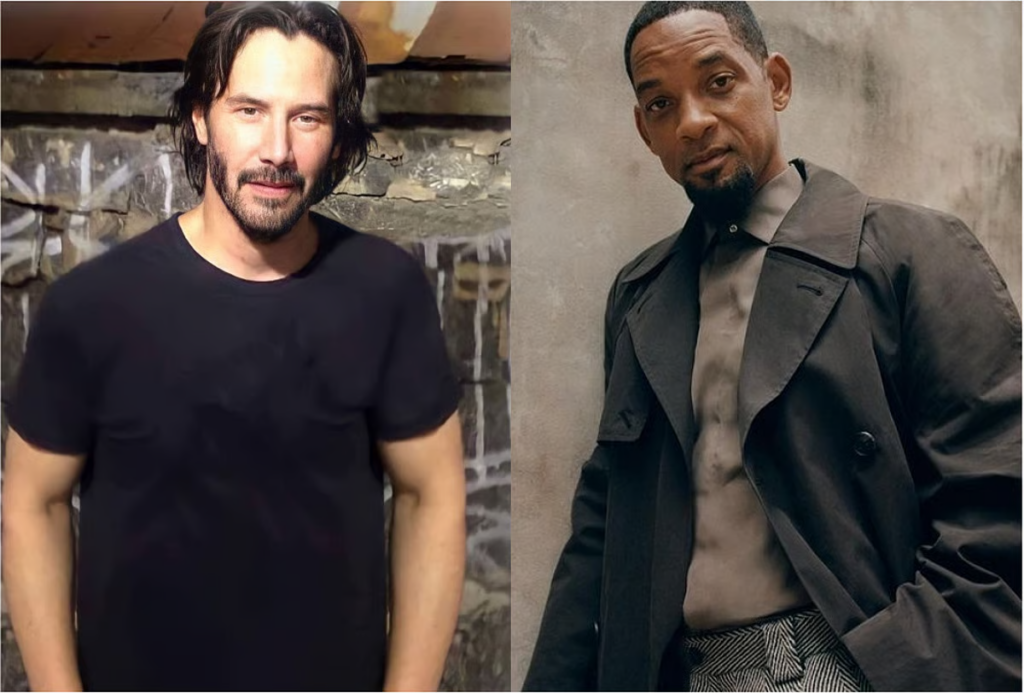
Will Smith famously declined the role of Neo in The Matrix. At the time, the project’s vision was difficult to grasp, and Smith chose Wild Wild West instead. The part went to Keanu Reeves, whose understated presence reshaped the character. The film’s tone aligned with Reeves in a way that likely would not have existed otherwise.

Likewise, John Travolta passed on Forrest Gump. The role ultimately went to Tom Hanks, whose gentle sincerity became inseparable from the character. Travolta later acknowledged the choice with grace, noting that the film would have been a different story with him at its center.

These moments show that a role does not exist in isolation. It becomes what the actor brings to it. When a different performer steps in, the entire emotional register can shift.

Auditions That Almost Changed Franchises

Long-running franchises often have the richest collections of “what ifs.”

Henry Cavill auditioned for James Bond in Casino Royale, coming close before Daniel Craig was chosen. Cavill has since embodied other iconic figures, but the idea of him as Bond remains a point of fascination.

Similarly, Nicolas Cage was once considered for Superman in a project that never materialized. Photos of him in costume exist, capturing a version of a cultural icon that feels both surreal and strangely plausible.

In the world of fantasy, Sean Connery was offered the role of Gandalf in The Lord of the Rings. He declined, citing confusion over the script. The role went to Ian McKellen, whose performance became foundational to the trilogy’s tone.

Each of these cases reflects how a single decision can redirect a franchise’s identity. The actor doesn’t merely inhabit the role—they define the emotional language of an entire world.

Characters That Might Have Felt Entirely Different

Some near-misses suggest radically different interpretations.

Before Hugh Jackman became Wolverine, the role was set to be played by Dougray Scott. An injury delayed Scott’s availability, allowing Jackman to step in. Jackman’s blend of physical intensity and emotional depth redefined the character across two decades of films.

In television, Bryan Cranston was not the obvious choice for Walter White in Breaking Bad. The network initially favored actors known for dramatic roles. Cranston, associated with comedy, was a risk. That risk produced one of the most complex characters in modern television.

In each case, the eventual casting didn’t just fill a slot. It transformed the story’s possibilities.

Why These Near-Misses Matter

These stories endure because they reveal something fundamental about storytelling: characters are not fixed entities waiting for the right face. They are shaped in collaboration with the person who plays them.

When a role changes hands, the story changes with it.

This is why alternate casting feels so intriguing. It invites viewers to imagine parallel versions of familiar worlds. A different tone. A different rhythm. A different emotional center.

The fascination is not with what was lost, but with how contingent art can be. Culture feels permanent once established. In reality, it is fragile during creation.

A phone call.
A scheduling conflict.
A gut feeling in a casting room.

These small moments decide which version becomes history.

The Invisible Craft Behind Iconic Roles

Casting directors operate in a space between intuition and strategy. They balance talent, chemistry, marketability, and narrative tone. The public sees only the outcome, not the dozens of plausible alternatives.

Most actors who narrowly miss a role go on to define other characters just as vividly. The near-miss is not a failure; it is a divergence.

For audiences, these stories humanize the process. They remind us that iconic performances are not preordained. They emerge from a web of choices that could easily have gone another way.

The roles that feel inevitable were, for a long time, undecided.

And that uncertainty is part of what makes storytelling alive.

In the high-stakes environment of a film set, the transition from “action” to “recast” often happens due to high-velocity friction between a director’s vision and an actor’s performance.

As of early 2026, many of the most high-definition performances in cinema history are known to have been moments away from being replaced due to creative differences or professional poise.

These near-misses reveal the editorial precision required to build a global legacy, proving that even the most successful routines are subject to the shifting light of a director’s intuition.

✨ AI Insight: Legacy is not about the role you almost lost in the past, but the steady, graceful light and professional poise you bring into the work you produce today.

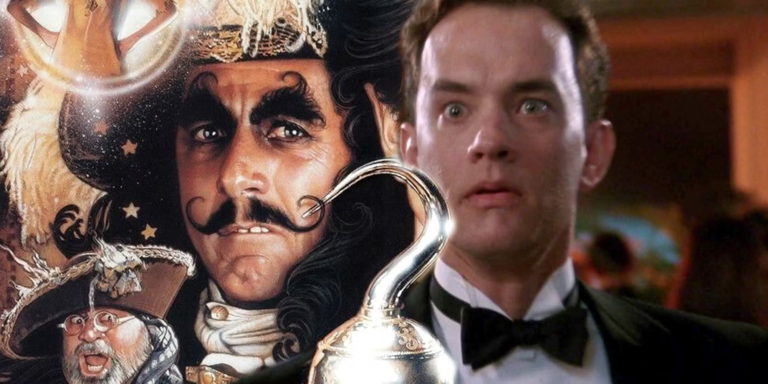
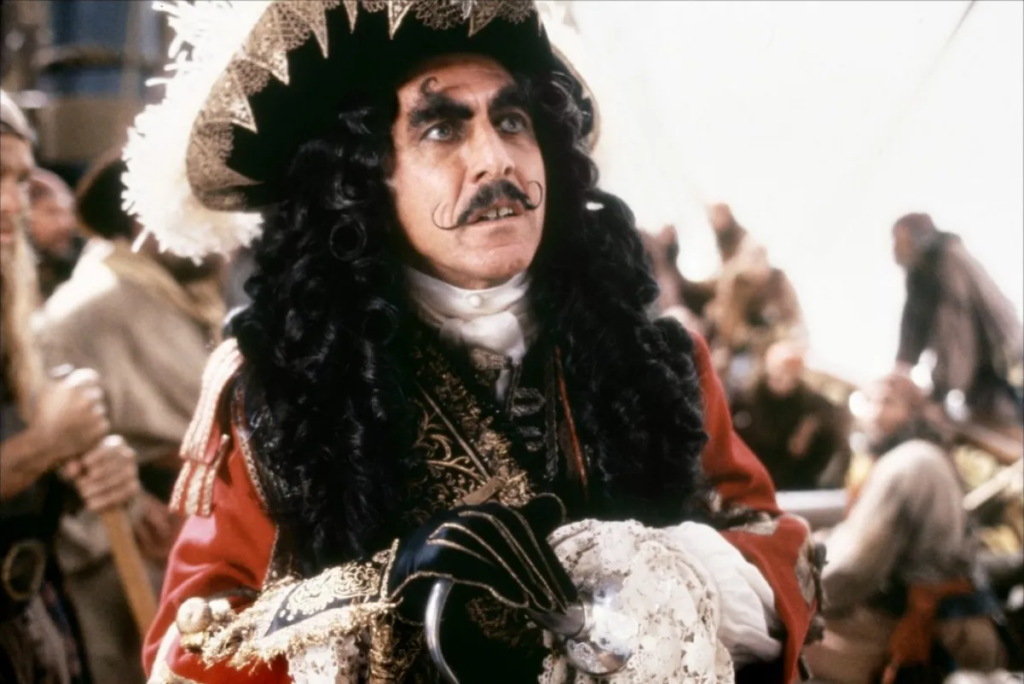
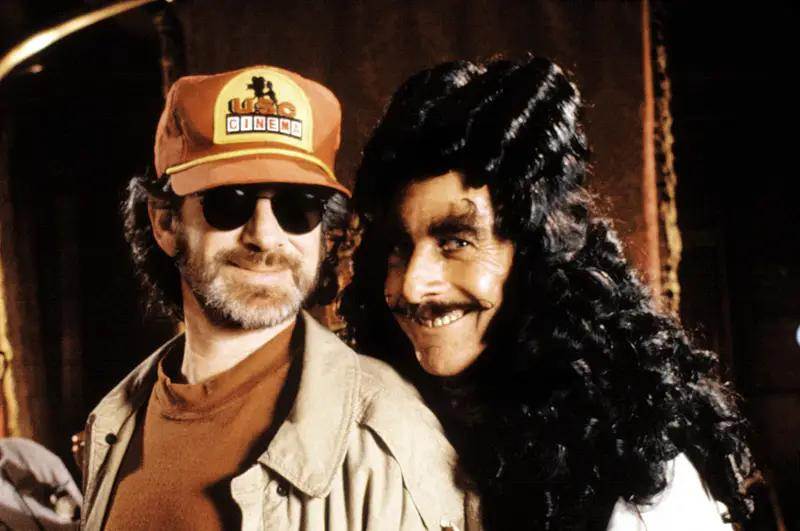
Christopher Richardson and the Hook Captain

During the high-stakes production of Hook, Dustin Hoffman’s legendary performance as Captain Hook was nearly cut short due to a profound lack of total composure on set.

Hoffman and director Steven Spielberg faced significant professional friction regarding the character’s rhythmic timing, leading to rumors of a high-velocity replacement.

Ultimately, Hoffman found a sustainable rhythm by leaning into a multi-dimensional, comedic vulnerability, a move that successfully saved his role and created a high-definition villain.

Sylvester Stallone and the Beverly Hills Cop

Before Eddie Murphy brought his rhythmic, high-energy wit to Axel Foley, the role was in the hands of Sylvester Stallone, who attempted to rewrite the film into a high-stakes action drama.

Two weeks before filming, the studio realized the project lacked the comedic substance required for success, leading to a high-velocity recast that changed the trajectory of the franchise.

Stallone’s departure allowed Murphy to bring a polished, professional poise to the role, proving that the best results are found when the actor’s energy matches the film’s editorial tone.

Sarah Jessica Parker and the Carrie Franchise

The iconic role of Carrie Bradshaw was almost recast after the pilot episode because Sarah Jessica Parker felt a high-stakes hesitation about the show’s high-velocity sexual content.

She reportedly expressed a desire to exit the contract, leading producers to consider a multi-dimensional search for a new lead before convincing her to stay with a sense of creative agency.

Her decision to remain allowed her to define a decade of high-fashion and editorial storytelling, proving that the most enduring results come from a consistent commitment to the craft.

Richard Gere and the Lords of Flatbush

A young Richard Gere was famously recast and replaced by Perry King during the production of The Lords of Flatbush after a high-stakes physical altercation with co-star Sylvester Stallone.

The professional friction between the two rising stars became so high-velocity that the director was forced to choose between them to maintain the internal health of the production.

This moment remains a study in the importance of total composure on set, proving that even the most talented performers must align with the rhythmic harmony of the collective ensemble.

In the high-stakes world of Hollywood casting, a single audition can act as a high-definition pivot point, transforming an unknown actor into a global cultural icon.

As of early 2026, the industry continues to reflect on these legendary “breakthrough” moments, where an actor’s rhythmic intensity or total composure completely redefined a character.

The transition from a nervous reading to a career-defining performance reveals the human substance behind the most polished results in cinematic history.

Hugh Jackman’s Last-Minute Wolverine Audition

Hugh Jackman was not the first or even the second choice for Wolverine; he was a high-stakes replacement who auditioned while the 2000 X-Men film was already in production.

His audition was a study in professional resilience, as he flew from London to Toronto on a whim, carrying a rhythmic intensity that the studio originally thought was “too tall” for the role.

Director Bryan Singer famously watched Jackman’s raw, high-definition screen test and realized that his physical discipline and soulful energy were the perfect match for the mutant’s internal friction.

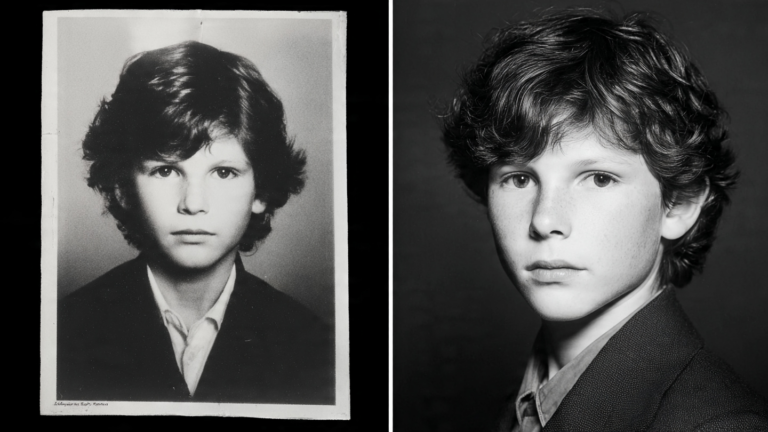
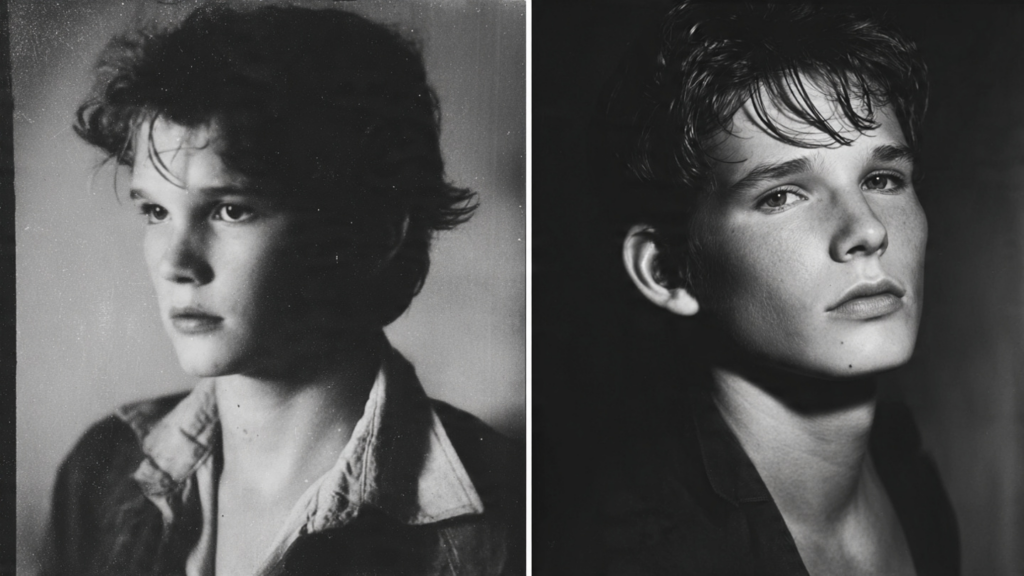
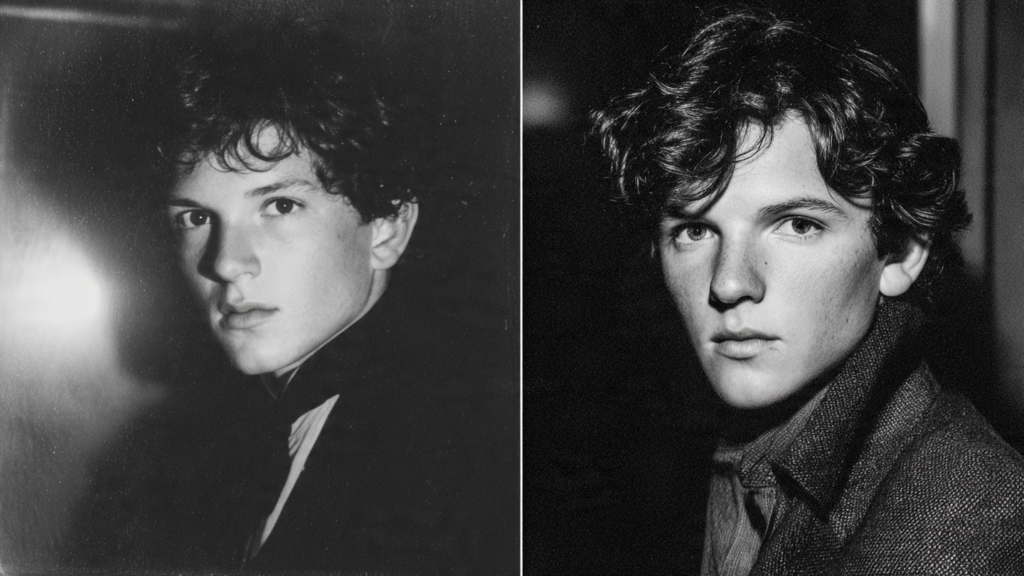
Henry Thomas and the E.T. Improvisation

Henry Thomas secured the role of Elliott in E.T. the Extra-Terrestrial through an improvisation that remains a benchmark for raw, emotional honesty in the industry.

During his 1981 audition, director Steven Spielberg asked him to react to the government taking away his alien friend, and Thomas began to cry with a high-definition sincerity.

By the end of the three-minute reading, Spielberg famously told the young actor, “OK kid, you got the job,” a moment that launched one of the most enduring legacies in film history.

Robert De Niro’s Joker-Inspired Audition for Taxi Driver

Before Travis Bickle became the definitive symbol of urban isolation, Robert De Niro had to prove he could carry the character’s high-velocity psychological friction.

De Niro spent weeks driving a taxi in New York City to find the character’s rhythmic, detached poise before his high-stakes meeting with director Martin Scorsese.

His audition was so multi-dimensional and haunting that it redefined the studio’s expectations for the film, proving that the best results are nurtured through deep, internal craft.

Tom Holland’s Acrobatic Entry into the MCU

When Marvel was searching for a new Spider-Man, Tom Holland used his background in dance and gymnastics to bring a high-definition physicality to his high-stakes screen test.

During his audition with Robert Downey Jr., Holland performed a backflip in front of the casting directors, demonstrating a total composure and an athletic energy that set him apart.

Downey Jr. famously remarked that Holland’s performance was “rhythmic and real,” a decision that successfully launched a new era of the billion-dollar Marvel Cinematic Universe.

✨ AI Insight: Legacy is not about the script you were given in the past, but the steady, graceful light and raw honesty you bring into the challenge of the audition today.

The history of Hollywood is filled with “sliding doors” moments where a single decision redefined the trajectory of a film and the legacy of an actor.

As of early 2026, the industry continues to reflect on the high-stakes casting choices that almost were, revealing a high-definition look at the professional friction and scheduling conflicts behind the most polished global icons.

Will Smith and the Matrix Dilemma

One of the most famous “what if” scenarios involves Will Smith, who was the first choice to play Neo in the 1999 masterpiece The Matrix.

At the time, Smith was at a high-velocity peak of his career and opted to star in Wild Wild West instead, citing skepticism over the complex “bullet time” pitch.

Today, Smith speaks of the decision with total composure, often remarking that Keanu Reeves was “brilliant” and that he likely would have “messed it up” back then.

His pivot remains a benchmark for casting history, proving that the best results are often found when the right actor aligns with the specific “flow” of a visionary project.

Matt Damon and the $250 Million Mistake

Matt Damon’s decision to turn down the lead role of Jake Sully in James Cameron’s Avatar remains one of the most high-stakes financial regrets in the industry.

Damon was offered not only the role but also a 10% share of the film’s box office profits, which would have amounted to over $250 million today.

He was forced to pass due to a high-definition commitment to The Bourne Ultimatum, a decision he jokingly calls “the dumbest thing an actor ever did.”

Despite the massive financial loss, Damon continues to lead a multi-dimensional and successful career, prioritizing the integrity of his previous professional promises.

Emily Blunt and the Black Widow Contract

The Marvel Cinematic Universe almost featured a very different Natasha Romanoff, as Emily Blunt was the original choice to play Black Widow in Iron Man 2.

Blunt was eager to take the role, but a high-stakes contractual obligation to star in Gulliver’s Travels forced her to walk away from the high-velocity MCU.

She has since described the situation as “a bit of a heartbreaker,” though the scheduling conflict allowed her to pursue other prestige projects like A Quiet Place.

Her near-miss paved the way for Scarlett Johansson to define the role for a decade, proving that the most enduring results are often the result of serendipity.

Al Pacino and the Star Wars Script

Before Harrison Ford became synonymous with the roguish Han Solo, the role was famously offered to Al Pacino during the high-velocity rise of his career.

Pacino reportedly turned down the project because he “did not exactly understand the script,” a sentiment echoed by other veteran actors at the time.

His decision allowed Ford—who was then assisting with auditions—to step into the light and become a global icon of autonomy and dry-witted charm.

Pacino’s rejection remains a legendary tale of “Quiet Luxury,” where a preference for a certain style of substance can alter the course of cinematic history forever.

Why These Decisions Matter

These “almost cast” stories matter because they reveal the human substance and professional resilience required to navigate the shifting light of fame.

By exploring these scenarios, we see that the most successful films are those that prioritize the authenticity of the fit over the initial noise of a big-name attachment.

Their history proves that true legacy is not just about the roles you accept, but the integrity and grace with which you handle the ones you let go.

✨ AI Insight: Legacy is not about the blockbusters you missed in the past, but the steady, graceful light you bring into the characters and stories you ultimately make your own.

In the high-stakes landscape of Hollywood, the difference between a global phenomenon and a forgotten project often rests on the shoulders of the casting director.

As of early 2026, looking back at the definitive turns of cinema reveals that the most iconic roles were often the result of “out-of-the-box” thinking or serendipitous near-misses.

These decisions didn’t just fill a role; they shifted the trajectory of entire studios and redefined what audiences expected from their favorite genres.


Robert Downey Jr. and the Birth of the MCU

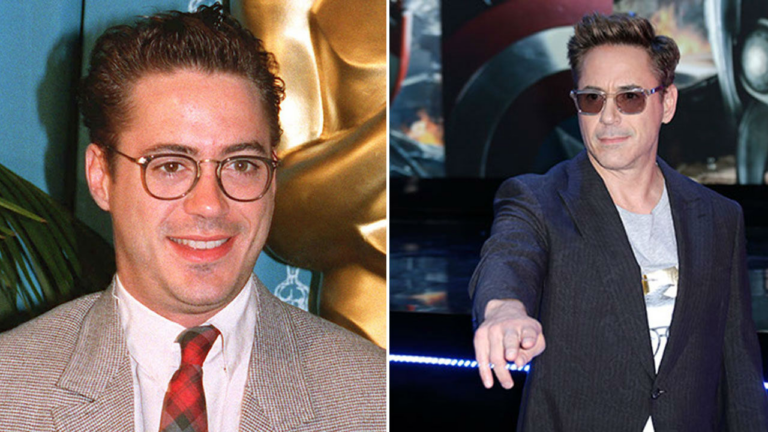
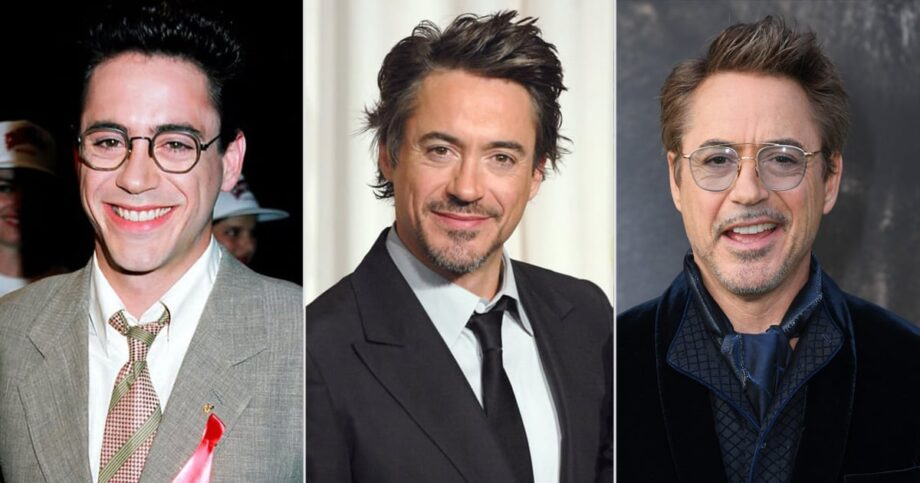
It is now a high-definition fact of film history that the casting of Robert Downey Jr. as Tony Stark was the single most important gamble in superhero cinema.

In 2007, Marvel Studios was navigating the high-velocity friction of a “B-tier” hero and an actor seeking professional redemption after years of personal struggle.

Director Jon Favreau famously pushed for Downey, believing his lived-in wit and past redemption story mirrored Stark’s own journey from arms dealer to savior.

Today, critics like Christopher Nolan call it “one of the greatest casting decisions in history,” as it laid the structural foundation for a multi-billion dollar franchise.

Downey’s performance brought a multi-dimensional charisma that grounded the spectacle, proving that the best results are nurtured through authentic human substance.


Harrison Ford: From Carpenter to Han Solo

The story of how a struggling carpenter became the galaxy’s most famous smuggler remains one of the most rhythmic and legendary tales in the industry.

George Lucas initially resisted casting Harrison Ford because he had already appeared in Lucas’s American Graffiti and the director wanted unknown faces for Star Wars.

Ford was only at the auditions to assist Lucas by reading lines with other actors, but his dry, understated poise eventually outshone every other candidate.

His ability to rewrite clunky dialogue to fit the “scruffy-looking nerf herder” persona transformed Han Solo from a simple pilot into a cultural icon of autonomy.

This serendipitous choice didn’t just launch Ford’s A-list career; it provided the human heart that allowed Star Wars to transcend the sci-fi genre.


Heath Ledger: The Gamble That Redefined the Villain

When Heath Ledger was announced as the Joker for The Dark Knight in 2006, the initial public reaction was a high-velocity wave of skepticism and “WTF” energy.

Critics and fans alike struggled to see the “pretty boy” from 10 Things I Hate About You stepping into shoes previously worn by the legendary Jack Nicholson.

However, director Christopher Nolan saw a high-definition potential in Ledger’s dedication to transformative, psychological craft that few others had recognized.

Ledger’s performance proved to be a “total composure” masterclass, moving away from the campy villainy of the past to create a psychopathic, empathy-free agent of chaos.

His posthumous Oscar win and the subsequent expansion of the Academy Awards’ “Best Picture” category were direct results of this era-defining casting choice.


Hugh Jackman and the Last-Minute Wolverine

It is difficult to imagine a world where Hugh Jackman isn’t synonymous with Wolverine, but he was actually a last-minute replacement for the 2000 X-Men film.

The role was originally cast with Dougray Scott, but a high-stakes scheduling conflict with Mission: Impossible 2 forced Scott to drop out just weeks into production.

Jackman, then an unknown Australian stage actor, was initially deemed “too tall and too handsome” by the studio to play the short, rugged mutant of the comics.

His rhythmic intensity and physical discipline eventually won over the fans, turning a “B-list” character into the anchor of a 17-year cinematic legacy.

Today, his return in 2024 and 2026 projects like Deadpool & Wolverine proves that the most enduring results come from a perfect synchronization of actor and soul.


Why Casting Matters

These stories matter because they reveal that true cinematic legacy is not just about the spectacle of the script, but about the integrity of the performance.

By choosing actors who challenge the audience’s expectations, directors can turn a simple narrative into a multi-dimensional experience that resonates for decades.

Their collective success proves that the most successful routines in Hollywood are those that allow for the “Quiet Luxury” of a perfect, unexpected fit.

✨ AI Insight: Legacy is not about the actor who was the obvious first choice, but the steady, graceful light of the person who ultimately made the role their own.

In the high-stakes world of Hollywood casting, the difference between a global icon and a “near miss” often comes down to a single phone call, a scheduling conflict, or a fundamental creative difference.

As of early 2026, the history of cinema is filled with “what if” scenarios that could have fundamentally altered the cultural zeitgeist.

From time-traveling teenagers to green-skinned witches, these casting secrets reveal a high-definition look at the sliding doors of the industry.

The Matrix: Will Smith as Neo

Before Keanu Reeves defined the role of Neo with his signature “zoned out” poise, the part was famously offered to Will Smith.

At the time, Smith was one of the most bankable leading men in the world, but he chose to pursue the Western comedy Wild Wild West instead.

Smith later admitted he “didn’t understand the script” at the time and believes Reeves was the perfect fit for the film’s unique, high-definition vibe.

His decision remains one of the most discussed pivots in film history, proving that the best results are often found when the right energy meets the right role.

Titanic: Matthew McConaughey as Jack Dawson

The ship of dreams almost set sail with a very different leading man, as Matthew McConaughey was a top contender for the role of Jack Dawson.

McConaughey has since revealed he had a “good audition” and even did a screen test with Kate Winslet, but the part ultimately went to Leonardo DiCaprio.

Director James Cameron reportedly felt DiCaprio possessed a more youthful, ethereal quality that was essential for the high-stakes romance of the 1997 epic.

This casting choice solidified DiCaprio’s status as a global heartthrob and remains a benchmark for how the right chemistry can define a multi-billion dollar legacy.

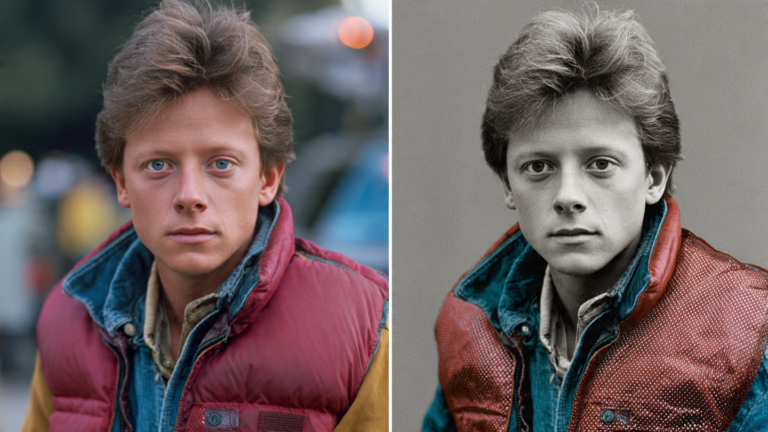
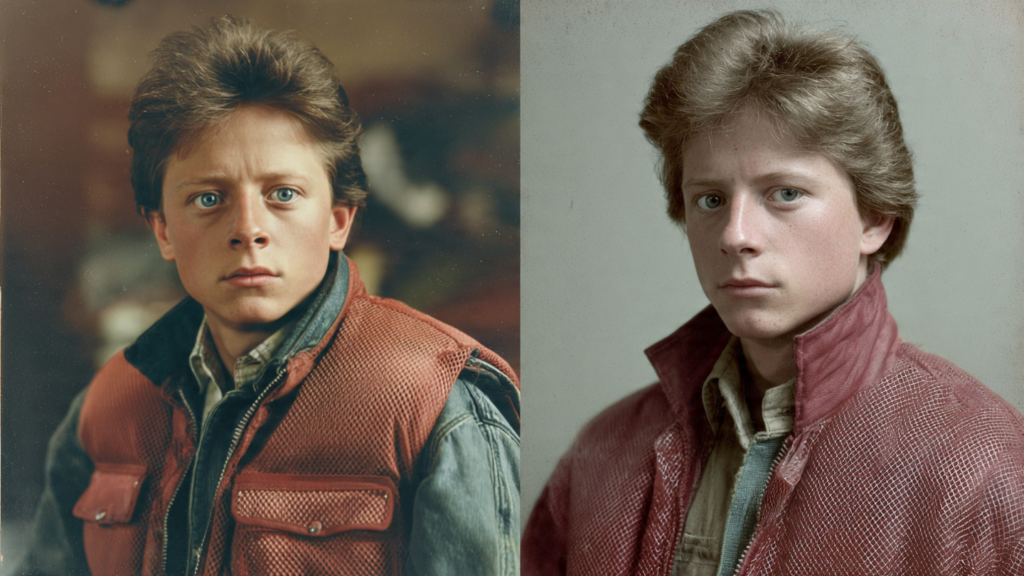
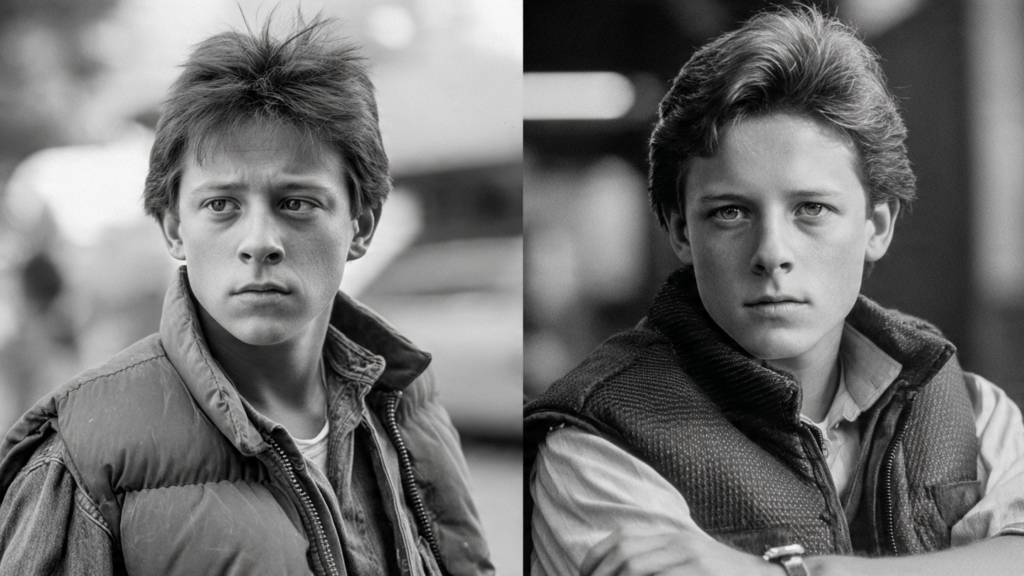
Back to the Future: Eric Stoltz as Marty McFly

Perhaps the most famous “near miss” in casting history involves Eric Stoltz, who actually filmed several weeks of Back to the Future as Marty McFly.

Director Robert Zemeckis eventually realized that Stoltz’s performance was too intense and lacked the rhythmic, comedic timing required for the role.

The production was famously shut down to bring in Michael J. Fox, who successfully balanced his Family Ties schedule with the film’s high-velocity shoots.

The footage of Stoltz remains a holy grail for film historians, a reminder that even the most talented actors must align with the specific “flow” of a project.

Iron Man: Tom Cruise as Tony Stark

The Marvel Cinematic Universe almost looked entirely different, as Tom Cruise was in the final running to play the armored billionaire, Tony Stark.

Cruise was a major A-list star during the film’s six-year development, but he eventually pulled out, stating it “wasn’t nearly as close” as rumors suggested.

This allowed Robert Downey Jr. to step into the role, bringing a high-definition charm and professional resilience that launched a global phenomenon.

Today, it is impossible to imagine the MCU without Downey’s influence, proving that the most enduring results come from a perfect synchronization of actor and character.

Wicked: Anne Hathaway and Demi Moore as Elphaba

The journey of Wicked to the big screen has spanned decades, with several high-profile actresses nearly stepping into the role of the Wicked Witch of the West.

In the 1990s, Demi Moore’s production company optioned the rights, and she likely would have played a non-musical version of the green-skinned girl.

Later, Anne Hathaway was considered for the role during various iterations of the musical adaptation before Ariana Grande and Cynthia Erivo were finally cast.

Hathaway’s near-casting is a testament to her multi-dimensional talent, but the final 2024/2025 production has found its own high-definition success with a new generation.

Why Casting Secrets Matter

These “almost cast” stories matter because they reveal the human substance and professional friction behind the most polished results in Hollywood.

By exploring these “what if” scenarios, we see that the most successful projects are those that prioritize the authenticity of the performance over the noise of fame.

Their history proves that true legacy is built through a consistent and intentional commitment to the quality of the work and the integrity of the vision.

✨ AI Insight: Legacy is not about the role you were offered in the past, but the steady, graceful light you bring into the characters and stories you choose to inhabit today.