The Film Bakers

Author

Henry

Browsing

Some movie lines do more than entertain. They capture how an era thinks, speaks, and feels. Long after fashions change, those words continue to echo.

In everyday life, these lines appear quietly. They surface in jokes, in arguments, and in moments of shared understanding. Over time, they become part of a generation’s voice.

✨ AI Insight:
As media became always accessible, memorable lines began repeating across homes and devices.
Repetition turned dialogue into common language rather than distant reference.

A defining line arrives at the right moment in history. It speaks a feeling that many people already carry. When it lands, recognition spreads faster than explanation.

These lines do not describe a generation. They reveal it. The words feel like something people were already trying to say.

Once spoken, the phrase becomes shorthand. It condenses a mood, a belief, or a tension into a few syllables.

Generations are shaped by shared experiences. Movies provide those experiences at scale. A line heard by millions becomes a common reference point.

People repeat it because it fits. It sounds like their own thoughts. The phrase becomes personal even though it is shared.

In homes, these lines migrate naturally. They appear at dinner tables and in bedrooms. The house becomes a place where cultural language settles.

A generation’s speech is built from fragments. Song lyrics, slogans, and movie dialogue weave together. Lines from films become part of that fabric.

They survive because they are flexible. A dramatic line becomes a joke. A joke becomes reassurance. Meaning adapts without losing core feeling.

This adaptability keeps the words alive. They fit new situations without resistance. The line grows with the people who use it.

Technology accelerates this process. Clips circulate, subtitles highlight phrasing, and scenes replay endlessly. A sentence becomes familiar before it becomes conscious.

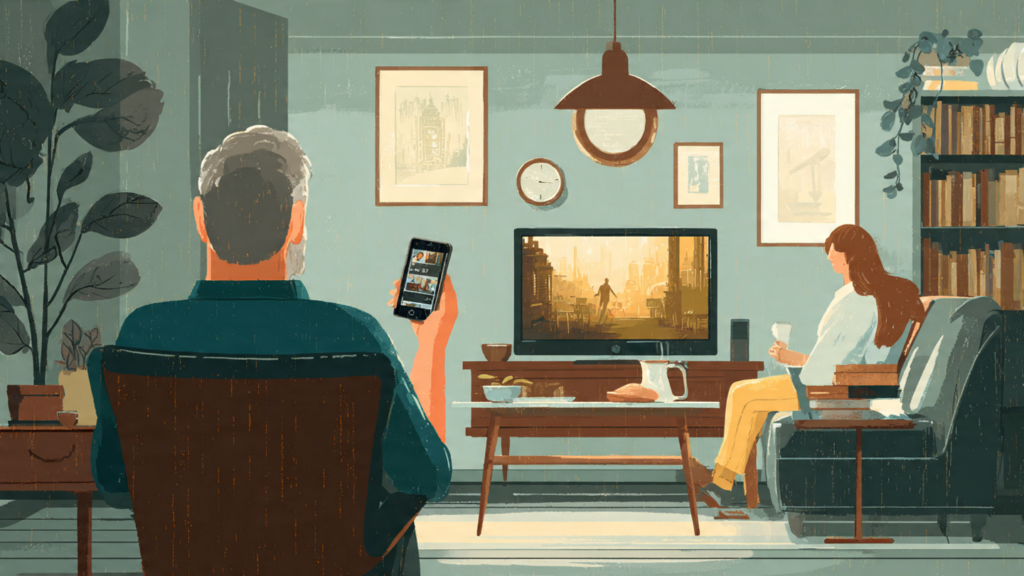
Homes act as echo chambers. A quote plays on a screen while someone cooks. The sound drifts into hallways and becomes part of routine.

Repetition does not weaken these lines. It changes their role from surprise to recognition. Recognition builds comfort.

Generations rely on recognition. It confirms belonging. A familiar line signals shared history without explanation.

These phrases also mark transition. A teenager learns a line from a parent. The words bridge different moments in life.

A generation does not end when its media fades. The language remains. People carry it forward into new spaces.

Rooms remember this transfer. A living room hears the same phrase decades apart. The house becomes witness to continuity.

Lines that define a generation are rarely complex. They are simple, direct, and emotionally clear. Their strength comes from restraint.

Simplicity allows travel. A short sentence fits into conversation without ceremony. It feels natural in the mouth.

Sound matters as much as meaning. Rhythm and pause make a line repeatable. The ear remembers before the mind does.

These qualities allow a phrase to survive context loss. Even without the film, the words communicate. They stand alone.

A defining line becomes a tool. It replaces explanation. It signals mood. It shortens conversation.
Everyday life rewards efficiency. Homes move quickly between tasks. Language that carries feeling fast is welcomed.

These lines become part of household dialect. Each home adopts them differently. The phrase gains local meaning.

One family uses it for humor. Another uses it for comfort. The words adapt to domestic rhythm.

This personalization keeps the line relevant. It is no longer a quotation. It is speech.

A generation recognizes itself in these phrases. They reflect common pressures and hopes. The words feel honest.

Honesty is what endures. Lines that perform cleverness fade. Lines that speak plainly remain.

They do not announce importance. They simply exist. That humility allows them to live in ordinary moments.

A kettle can cool beside them. Shoes can be tied while they are spoken. The home accepts them.

These phrases survive because they do not demand attention. They integrate. They become background and foreground at once.

A generation hears itself in these words. The line confirms identity. It says, “This is how we sound.”

Over time, the film recedes. The line remains active. It becomes cultural furniture.

New stories appear, but the old words persist. They continue to work. They continue to fit.

This endurance is not accidental. It comes from clarity, timing, and restraint. The line respects the listener.

Respect invites repetition. People repeat what trusts them. Homes repeat what feels honest.

A generation is remembered by how it speaks. These lines preserve that voice. They carry tone across time.

They remind people who they were. They remind rooms what they once held. Memory becomes audible.

That is why certain lines define a generation. They do not describe history. They become part of it.

They live where people live. They move through rooms and years. They remain because they belong.


Some movie quotes age quickly, tied to fashions or moments that fade. Others remain intact, sounding natural decades later. They continue to feel right in everyday speech.

At home, these lines appear without effort. They surface during dinner, in jokes, or in moments that mirror the film’s emotion. Over time, a single sentence becomes part of daily language.

✨ AI Insight:
Instant access keeps memorable lines circulating. Repetition turns dialogue into habit.Habit makes a quote feel timeless.

It Speaks in Human Terms

The quote works because it sounds like something a person would actually say. It avoids decoration and speaks plainly. The words feel lived rather than written.

This natural tone allows the line to move easily between screen and life. It does not feel like performance. It feels like conversation.

It Arrives at the Right Moment

Timing gives the line its power. It appears when emotion reaches clarity. The audience is already listening.

Silence or tension prepares the space before the words land. The room is ready. The line feels inevitable.

It Matches the Feeling

A lasting quote aligns perfectly with what the viewer already feels. It does not create emotion. It names it.

This alignment makes the line adhesive. Feeling and language fuse. Memory forms without effort.

It Uses Less to Say More

The quote is compact. It carries weight without excess. Each word earns its place.

Brevity allows portability. The sentence fits easily into memory. It can travel into daily speech.

It Sounds Right

Cadence matters as much as meaning. The rhythm feels balanced. The line wants to be spoken.

Rewatching teaches the ear first. A person recognizes the quote without looking. Sound embeds it in routine.

It Respects the Listener

The quote does not explain itself. It trusts the audience. Meaning is offered, not enforced.

This respect keeps the line alive. Each return feels personal. The room becomes part of interpretation.

It Avoids Cleverness

The line does not show awareness of its own importance. It does not perform. It simply exists.

This humility keeps it sincere. It feels honest rather than constructed. Homes accept sincerity easily.

It Survives Context Loss

Many lines depend on story. This one carries its own meaning. It stands even when heard alone.

That independence allows it to travel. It works in fragments. It fits into ordinary moments.

It Becomes a Tool

Once outside the film, the quote gains function. It replaces explanation. It signals mood.

A sentence becomes a shortcut. It moves emotion faster than description. Daily conversation benefits.

Homes Turn It Into Language

Households develop internal dialects. The quote becomes part of that vocabulary. Rooms begin to remember it.

A kitchen hears it at breakfast. A hallway recalls laughter. The home stores language.

Repetition Strengthens It

Hearing the line again does not weaken it. Surprise becomes recognition. Recognition becomes comfort.

Homes thrive on repetition. Evenings follow patterns. The quote becomes part of rhythm.

It Bridges Generations

Parents pass the line to children. Friends introduce it to newcomers. One film links different years.

This transfer feels natural. A child repeats a phrase first heard from a parent. Rooms witness continuity.

Meaning Evolves

Outside the film, the quote changes. Irony replaces sincerity. Humor replaces drama.

Adaptation keeps it alive. The line fits new contexts. The home becomes a place of reinterpretation.

It Lives Without Performance

Quoting is casual. People let the words slip. There is no announcement.

This subtlety lets the line blend into life. The room does not feel like a stage.

It Fits Routine

The quote does not demand ceremony. It appears during ordinary moments. A kettle cools beside it.

Intensity integrates rather than interrupts. The line becomes companion. The home accepts it.

It Creates Recognition

When spoken, the quote signals shared history. Others understand instantly. No explanation follows.

This recognition builds belonging. It confirms common ground. Rooms become social spaces.

It Carries Memory

Over time, the quote attaches to place. A sofa remembers it. A doorway recalls it.

A person remembers where they first heard it. Space and language fuse quietly.

It Does Not Exhaust

Some lines overwhelm. This one invites. It leaves space afterward.

Gentleness allows repetition. The home welcomes it again. The quote never feels heavy.

It Feels Complete

The line resolves something essential. Even alone, it feels whole.

Completion makes it easy to revisit. It fits into small windows of time.

Why It Matters

Homes are shaped by what repeats within them. Familiar quotes shape atmosphere like light or sound. Language creates comfort.

A house feels warmer when it speaks. These lines soften silence and mark belonging. They turn rooms into shared spaces.

This quote still works because it fits into life. It does not interrupt routine. It becomes part of it.

The story may fade. The sentence continues. It travels through rooms and through years.

That is why this quote endures. It learned how to live with people.


Some movie lines do more than serve a scene. They step beyond the screen and become part of everyday language, repeated in kitchens, hallways, and conversations between friends. Long after the plot fades, these words remain active.

In daily life, film dialogue often works as atmosphere rather than memory. A familiar line drifts through a room while dinner is prepared or a television plays in the background. Over time, language from cinema becomes part of how homes sound.

✨ AI Insight:
Constant access to clips, subtitles, and rewinds reinforces memorable dialogue over time. This repetition allows certain lines to migrate naturally from screen to routine speech.

When Words Outlive the Story

Most dialogue exists only to move a plot forward. A historic line condenses an entire film’s emotion into a few words that feel inevitable. The story recedes, but the sentence survives.

Viewers may forget subplots and side characters. Yet the defining line remains intact, ready to surface at the right moment. The film becomes portable through language.

Timing Creates Memory

A line becomes legendary because of when it arrives. Silence or tension prepares the ear before the words appear, making them feel discovered rather than written. The room is already listening.

This precision allows memory to form instantly. The audience senses importance before understanding it. The body registers the moment first.

Simplicity Over Ornament

Enduring lines are rarely complex. They are short, direct, and emotionally clear. Their strength comes from restraint.

A simple phrase can carry an entire story. It does not explain, it reveals. That economy makes it easy to carry.

Sound and Cadence

Dialogue lasts because it sounds right. Rhythm, pause, and emphasis matter as much as meaning. The words want to be repeated.

Rewatching teaches the ear before the mind. A person recognizes the line without looking at the screen. Sound embeds itself into routine.

From Screen to Speech

Once a line leaves the film, it begins a second life. It stops belonging to a character and starts belonging to people. Meaning shifts while emotion remains.

A phrase becomes a joke between friends or comfort between partners. It blends into conversation without ceremony. Film language becomes household language.

Homes as Echo Chambers

Every household develops its own vocabulary. Famous lines often become part of that internal dialect. Rooms begin to associate with certain phrases.

A kitchen remembers a refrain. A hallway recalls laughter. The home does not merely host speech, it stores it.

Repetition Without Erosion

Hearing a line again does not weaken it. Surprise becomes recognition, and recognition becomes comfort. Anticipation becomes part of the pleasure.

Homes thrive on repetition. Mornings, meals, and evenings follow patterns. The line becomes part of that rhythm.

Emotional Shortcuts

A lasting line works because it carries feeling faster than explanation. One sentence replaces a paragraph. Emotion travels lightly.

This efficiency suits everyday life. Conversation moves quickly and needs shared reference. The home becomes a place where feeling circulates easily.

Generational Bridges

Dialogue often travels across age. Parents pass lines to children, and friends introduce them to newcomers. One movie links different years of life.

In homes, this continuity feels tangible. A child repeats a phrase first heard from a parent. Rooms witness this transfer quietly.

When Meaning Evolves

Once removed from its film, a line changes. Irony replaces sincerity, and humor replaces drama. Adaptation keeps the phrase alive.

In a household, meaning is negotiated. A serious declaration becomes shorthand for mood. The home becomes a laboratory for reinterpretation.

Presence Without Performance

Quoting is rarely theatrical. People let the words slip rather than perform them. Reference is felt rather than displayed.

This subtlety allows lines to blend into life. The room does not feel like a stage. The film becomes part of everyday speech.

Why It Matters

Homes are shaped by what repeats within them. Familiar dialogue contributes to atmosphere as much as light or sound. Language shapes comfort.

These lines soften silence and mark belonging. They turn rooms into social spaces. A house feels warmer when it speaks.

Lines that made movie history endure because they fit into life. They do not interrupt routine. They become part of it.

The story fades, but the sentence continues. It travels through rooms and through years. It becomes memory made audible.

Some movie lines refuse to stay inside their scenes. They move into kitchens, bedrooms, and group chats, becoming part of everyday speech. Long after the story ends, the words remain active.

In daily life, these lines surface without ceremony. They appear while coffee brews, during light arguments, or in moments that mirror the film’s emotion. Over time, dialogue becomes domestic language.

✨ AI Insight:
With streaming, clips, and subtitles always within reach, memorable dialogue is reinforced through repetition, allowing certain lines to migrate naturally into everyday routines.

When Words Outlive the Story

Most dialogue exists only to move a plot forward. A lasting line condenses the entire emotional weight of a film into a few words. The story fades, but the sentence survives.

Viewers may forget characters and scenes. Yet the line remains intact, ready to return at the right moment. The film becomes portable through language.

Timing Creates Memory

A line sticks because it arrives at a moment of clarity. Silence or tension prepares the ear before the words appear. The sentence feels inevitable rather than written.

This precision allows memory to form instantly. The audience senses importance before understanding it. The body registers the moment first.

Simplicity Over Ornament

Enduring lines are rarely complex. They are short, direct, and emotionally clear. Their strength comes from restraint.

A simple phrase can carry an entire story. It does not explain, it reveals. That economy makes it easy to carry.

Sound and Cadence

Dialogue lasts because it sounds right. Rhythm, pause, and emphasis matter as much as meaning. The words want to be repeated.

Rewatching teaches the ear before the mind. A person recognizes the line without looking at the screen. Sound embeds itself into routine.

From Screen to Speech

Once a line leaves the film, it begins a second life. It stops belonging to a character and starts belonging to people. Meaning shifts while emotion remains.

A phrase becomes a joke between friends or comfort between partners. It blends into conversation without ceremony. Film language becomes household language.

Homes as Echo Chambers

Every household develops its own vocabulary. Famous lines often become part of that internal dialect. Rooms begin to associate with certain phrases.

A kitchen remembers a refrain. A hallway recalls laughter. The home does not merely host speech, it stores it.

Repetition Without Erosion

Hearing a line again does not weaken it. Surprise becomes recognition, and recognition becomes comfort. Anticipation becomes part of the pleasure.

Homes thrive on repetition. Mornings, meals, and evenings follow patterns. The line becomes part of that rhythm.

Emotional Shortcuts

A lasting line works because it carries feeling faster than explanation. One sentence replaces a paragraph. Emotion travels lightly.

This efficiency suits everyday life. Conversation moves quickly and needs shared reference. The home becomes a place where feeling circulates easily.

Generational Bridges

Dialogue often travels across age. Parents pass lines to children, and friends introduce them to newcomers. One movie links different years of life.

In homes, this continuity feels tangible. A child repeats a phrase first heard from a parent. Rooms witness this transfer quietly.

When Meaning Evolves

Once removed from its film, a line changes. Irony replaces sincerity, and humor replaces drama. Adaptation keeps the phrase alive.

In a household, meaning is negotiated. A serious declaration becomes shorthand for mood. The home becomes a laboratory for reinterpretation.

Presence Without Performance

Quoting is rarely theatrical. People let the words slip rather than perform them. Reference is felt rather than displayed.

This subtlety allows lines to blend into life. The room does not feel like a stage. The film becomes part of everyday speech.

Why It Matters

Homes are shaped by what repeats within them. Familiar dialogue contributes to atmosphere as much as light or sound. Language shapes comfort.

These lines soften silence and mark belonging. They turn rooms into social spaces. A house feels warmer when it speaks.

Movie dialogue that stuck endures because it fits into life. It does not interrupt routine. It becomes part of it.

In a world of constant novelty, these words persist. They return because they work. They learn how to live with people.

The story fades, but the sentence continues. It travels through rooms and through years. It becomes memory made audible.


Every film has a moment that refuses to fade. It is not always a scene or an image. Often, it is a single line that survives long after the story ends.

In homes, these quotes surface quietly. They appear during dinner, in passing jokes, or in moments that echo the film’s emotion. Over time, one sentence becomes part of how people speak.

✨ AI Insight:
With constant access to clips, subtitles, and rewinds, memorable dialogue is reinforced through repetition, allowing defining quotes to migrate naturally from screen to everyday speech.

When Words Become Memory

Most dialogue exists only to move a story forward. A defining quote does something else. It condenses the film’s emotion into a few words that feel inevitable.

The line arrives at a moment of clarity. Everything in the story prepares for it, and everything after seems shaped by it. The words feel discovered, not written.

Viewers may forget subplots and details. Yet this sentence remains intact. It becomes the doorway through which the entire movie is remembered.

In daily life, that compression matters. A single line can recall an entire emotional experience in seconds. The film becomes portable.

Why Certain Quotes Stick

A memorable quote is usually simple. It is short, direct, and emotionally clear. Its power comes from timing rather than complexity.

Often, the moment before the line matters as much as the words themselves. Silence prepares the room. The audience is already listening.

Emotion and language align. The viewer does not analyze. The words arrive as recognition rather than explanation.

This alignment makes the quote adhesive. It bonds with feeling instead of plot. Later, when that feeling appears in life, the words return on their own.

From Screen to Speech

Once a quote leaves the film, it begins a second life. It stops belonging to a character and starts belonging to people.

A phrase becomes a joke between friends. It becomes reassurance between partners. It becomes shorthand in a family. Meaning shifts, but the core remains.

In homes, this transition feels natural. The quote blends into conversation without ceremony. Film language becomes household language.

A sentence that once closed a scene now opens a conversation. The story travels without needing its context.

Homes as Echo Chambers

Every household develops its own vocabulary. Famous quotes often become part of that internal dialect.

A hallway hears the same phrase each morning. A kitchen absorbs a familiar refrain. Over time, rooms associate with words.

The home does not merely host speech. It stores it. A stairway remembers laughter. A sofa remembers banter.

Language gives space personality. The house begins to sound like the people who live in it.

Sound and Rhythm

What makes a quote enduring is often its sound. Rhythm, pause, and tone matter as much as meaning.

A sentence lands because it feels right in the mouth. It wants to be repeated. The ear learns it before the mind does.

In homes, dialogue plays while life continues. A person hears the line without looking. Sound embeds itself into routine.

The quote becomes part of the home’s background music. It lingers even when the screen is ignored.

Technology and Replay

Earlier, these lines were encountered occasionally. Today, they are always within reach.

Clips circulate through feeds. Subtitles highlight phrasing. Scenes replay with a tap. A phrase moves from movie to message to mouth.

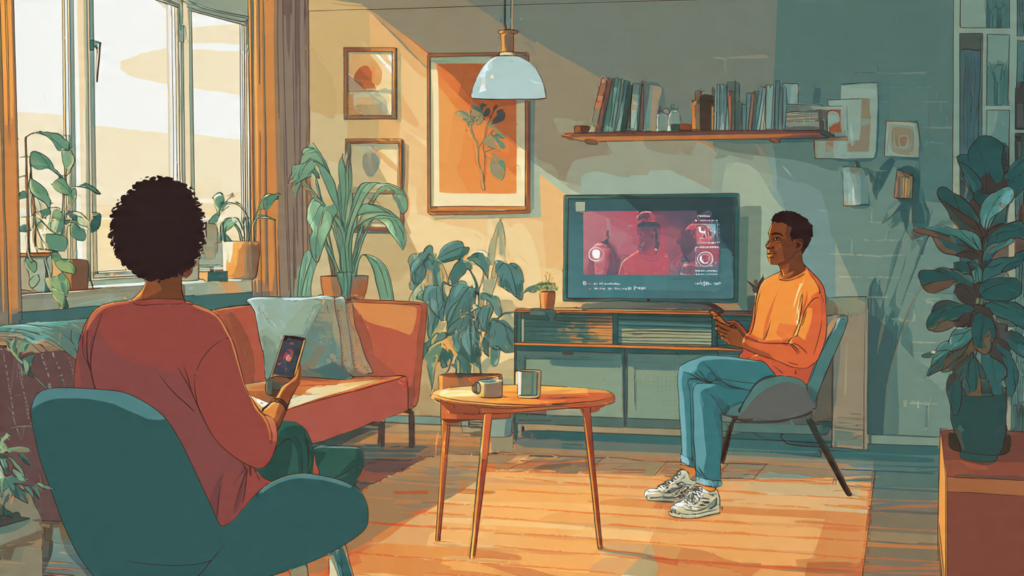
Screens in kitchens and bedrooms host these moments. Language migrates through devices and settles into conversation.

The home becomes a relay point where cinema turns into speech.

Generational Bridges

Defining quotes often travel across age. Parents pass them to children. Friends introduce them to newcomers.

A phrase becomes a bridge between eras of taste. One movie links different years of life.

In homes, this continuity feels tangible. A child repeats a line first heard from a parent.

The words carry history without explanation. Rooms witness this transfer quietly.

When Meaning Evolves

Once removed from their films, quotes change. Irony replaces sincerity. Humor replaces drama.

A serious declaration becomes a joke. A threat becomes a greeting. This evolution keeps language alive.

In a household, meaning is negotiated. A line becomes shorthand for mood rather than plot.

The home becomes a laboratory where cinema is reinterpreted.

Presence Without Performance

Quoting is rarely theatrical. It is casual and unannounced.

People let the words slip rather than perform them. The reference is felt, not displayed.

This subtlety allows quotes to blend into life. The room does not feel like a stage.

The film becomes part of everyday speech, not a spectacle.

The Quote as Emotional Shortcut

A defining quote works because it carries feeling faster than explanation.

Instead of describing a mood, the words summon it. One sentence replaces a paragraph.

This efficiency suits everyday life. Conversation moves quickly. Emotion needs a light form.

The home becomes a place where feeling travels easily.

Why Repetition Strengthens

Hearing a quote again does not weaken it. It changes its role from surprise to recognition.

The words arrive as expected, yet still resonate. Anticipation becomes part of the pleasure.

Homes thrive on repetition. Mornings, meals, and evenings follow patterns.

The quote becomes part of that rhythm. The room accepts it as familiar presence.

Memory Anchored to Space

Iconic lines attach themselves to rooms. A dining table remembers a phrase. A doorway recalls laughter.

Each rewatch strengthens this bond between story and space. The words belong to a place.

A person remembers not only what was said, but where they were when it was heard.

The home becomes part of the memory. Walls begin to hold echoes of language.

Shared Language

Famous quotes become shorthand between people. A single phrase replaces explanation.

Families and friends understand without context. Recognition happens instantly.

This shared language creates belonging. It signals common history.

In a home, this intimacy deepens. Conversation gains texture without effort.

The Quote Beyond the Film

Eventually, the remembered line no longer requires its movie.

People know it without context. It stands alone. The film recedes, but the words remain active.

This independence is what makes a quote legendary. It survives without support.

The story fades. The sentence continues working.

Why It Matters

Homes are shaped by what repeats within them. Familiar quotes contribute to atmosphere as much as light or sound.

They soften silence. They mark belonging. They turn rooms into social spaces.

This matters because language shapes comfort. A house feels warmer when it speaks.

The quote everyone remembers endures because it fits into life. It does not interrupt routine. It becomes part of it.

That is why one line can outlive an entire movie. Not because it is clever. Because it learns how to live with us.


Some movie lines do more than serve a scene. They detach from the story and begin living on their own. Long after the credits roll, one sentence remains active in memory.

In everyday life, these lines surface quietly. They appear in jokes, in moments of reassurance, and in casual conversation. Over time, a single phrase becomes part of how people speak at home.

✨ AI Insight:
With streaming, clips, and subtitles always within reach, memorable lines are reinforced through repetition, allowing them to move naturally from screen to everyday speech.

Timing Is Everything

An iconic line arrives at the exact emotional peak of a scene. It lands when tension has reached clarity. The words feel inevitable rather than written.

The moment before the line matters as much as the words themselves. Silence prepares the room. The audience is already listening.

This precision allows the phrase to embed itself instantly. It feels discovered rather than delivered.

At home, this timing still works. Even when rewatched, the rhythm holds. The room waits for the words.

Simplicity Over Complexity

Iconic lines are rarely elaborate. They are short, direct, and emotionally clear. Their power comes from restraint.

A simple sentence can carry an entire story. It does not explain. It reveals.

Because it is compact, the line is easy to carry. It fits into memory without effort.

In domestic spaces, simplicity matters. The phrase can slip into conversation without drawing attention.

The Line Meets the Feeling

A defining line succeeds because it aligns perfectly with emotion. It names what the viewer already feels.

There is no dissonance between words and experience. The sentence feels like recognition.

This alignment makes the line adhesive. It bonds with feeling rather than plot.

Later, when that feeling appears in life, the words return automatically.

The home becomes a place where emotion and language reconnect.

Sound and Cadence

Iconic lines are shaped by how they sound. Rhythm, pause, and emphasis matter as much as meaning.

The words feel right in the mouth. They want to be repeated.

Rewatching reinforces this cadence. The ear learns it before the mind does.

In homes, dialogue plays while life continues. A person hears the line without looking.

Sound carries memory into routine.

From Character to Companion

Once a line leaves the film, it begins a second life. It stops belonging to a character and starts belonging to people.

A phrase becomes a joke between friends. It becomes comfort between partners. It becomes shorthand in a family.

Meaning shifts, but emotional weight remains. The words travel easily because they are already charged.

In a household, this transition feels natural. The line blends into conversation without ceremony.

Film language becomes domestic language.

Repetition Without Erosion

Hearing the line again does not weaken it. It changes its role from surprise to recognition.

The viewer arrives ready. Anticipation becomes part of the pleasure.

This predictability suits domestic rhythm. Homes thrive on repetition.

Mornings, meals, and evenings follow patterns. The line becomes part of that pattern.

The room accepts it as familiar presence.

Memory Anchored to Space

Iconic lines attach themselves to rooms. A kitchen remembers laughter. A living room recalls a moment of stillness.

Each rewatch strengthens this bond between story and space. The phrase belongs to a place.

A person remembers not only what was said, but where they were when it was heard.

The home becomes part of the memory.

Walls begin to hold echoes of language.

Shared Language

Famous lines become shorthand between people. A single phrase can replace a paragraph.

Families and friends understand without explanation. Recognition happens instantly.

This shared language creates belonging. It signals common history.

In a home, this intimacy deepens. The line becomes part of how people relate.

Conversation gains texture without effort.

Technology as Accelerator

Earlier, these lines were encountered occasionally. Today, they are always nearby.

Clips circulate. Subtitles highlight phrasing. Scenes replay with a tap.

This availability accelerates adoption. A phrase moves from movie to message to mouth.

Screens in kitchens and bedrooms host these moments.

Language migrates through devices and settles into daily speech.

When Meaning Evolves

Once removed from its film, a line changes. Irony replaces sincerity. Humor replaces drama.

A serious declaration becomes a joke. A threat becomes a greeting.

This evolution keeps the phrase alive. It adapts instead of freezing.

In a household, meaning is negotiated. The line becomes shorthand for mood.

The home becomes a laboratory for reinterpretation.

Presence Without Performance

Quoting is rarely theatrical. It is casual and unannounced.

People let the words slip rather than perform them.

This subtlety allows the line to blend into life.

The room does not feel like a stage. It feels like a place of shared memory.

The film becomes part of everyday speech.

Why It Matters

Homes are shaped by what repeats within them. Familiar lines contribute to atmosphere as much as light or sound.

They soften silence. They mark belonging. They turn rooms into social spaces.

This matters because language shapes comfort. A house feels warmer when it speaks.

Iconic lines endure because they fit into life. They do not interrupt routine. They become part of it.

That is why this line became iconic. Not because it is clever, but because it learned how to live with us.


Some movie lines refuse to stay inside their films. They escape into daily life, resurfacing in kitchens, hallways, and group chats. Long after the scene ends, the words remain active.

At home, these lines appear without effort. Someone repeats them while making coffee, or uses them to end a conversation. Over time, they become part of how a household speaks.

In everyday interiors, film dialogue functions less as memory and more as language. It fills pauses, softens tension, and adds rhythm to ordinary conversation.

✨ AI Insight:
With instant access to clips, subtitles, and rewinds, memorable dialogue is reinforced through repetition, allowing iconic lines to migrate naturally from screen to everyday speech.

Why Certain Lines Stick

A repeatable line is usually simple. It carries emotion in a compact form and arrives at a moment of clarity. The words feel inevitable.

These lines are rarely verbose. Their power lies in timing, delivery, and the silence around them. The phrase lands when the story opens a door.

Viewers do not memorize them. They absorb them. The line attaches itself to feeling rather than plot.

Later, when a similar emotion appears in life, the words surface on their own. The quote feels ready before thought arrives.

In a home, that resurfacing feels natural. The room becomes a place where film language lives.

From Screen to Speech

Once a line leaves the film, it begins a second life. It stops belonging to a character and starts belonging to people.

A phrase becomes a joke between friends. It becomes reassurance between partners. It becomes shorthand for a shared moment.

Meaning shifts, yet the emotional core remains. The words travel easily because they are already charged.

In domestic spaces, this transition feels effortless. The line blends into conversation without ceremony.

Film language becomes household language.

Homes as Echo Chambers

Every household develops its own vocabulary. Famous lines often become part of that internal dialect.

A hallway hears the same joke each morning. A kitchen absorbs a familiar refrain.

Over time, rooms become associated with particular phrases. A stairway remembers laughter. A sofa remembers banter.

The home does not merely host speech. It stores it.

These echoes give space personality. The house sounds like the people who live in it.

Sound and Rhythm

What makes a line enduring is often its sound. Rhythm, pause, and tone matter as much as meaning.

A sentence lands because it feels right in the mouth. It wants to be repeated.

Rewatching reinforces this cadence. The ear learns it before the mind does.

In homes, dialogue plays while life continues. A person hears the line without looking.

Sound embeds itself into routine.

Technology and Replay

Earlier generations encountered these lines occasionally. Today, they are always within reach.

Clips circulate through feeds. Subtitles highlight phrasing. Scenes replay with a tap.

This availability accelerates adoption. A phrase moves from movie to message to mouth.

Screens in kitchens and bedrooms host these moments.

Language migrates through devices and settles into conversation.

Generational Bridges

Famous lines often travel across age. Parents pass them to children. Friends introduce them to newcomers.

A phrase becomes a bridge between eras of taste. One movie links different years of life.

In homes, this continuity feels tangible. A child repeats a line first heard from a parent.

The words carry history without explanation. They connect moments separated by time.

Rooms witness this transfer quietly.

When Meaning Evolves

Once removed from their films, lines change. Irony replaces sincerity. Humor replaces drama.

A serious declaration becomes a joke. A threat becomes a greeting.

This evolution keeps the language alive. It adapts to context rather than freezing in time.

In a household, meaning is negotiated. A line becomes shorthand for mood.

The home becomes a laboratory for reinterpretation.

Presence Without Performance

Quoting is rarely theatrical. It is casual and unannounced.

People let the words slip rather than perform them.

This subtlety allows lines to blend into life.

The room does not feel like a stage. It feels like a place of shared memory.

The film becomes part of daily speech.

Lines as Emotional Shortcuts

A famous line works because it carries feeling faster than explanation.

Instead of describing a mood, the words summon it.

This efficiency suits everyday life. Conversation moves quickly.

A single phrase replaces a paragraph.

The home becomes a place where emotion travels lightly.

Why Repetition Strengthens

Hearing a line again does not weaken it. It deepens familiarity.

Surprise becomes recognition. The words arrive as expected, yet still resonate.

This predictability is comforting. It fits domestic rhythm.

A home thrives on repetition. Mornings, meals, and evenings follow patterns.

The line becomes part of that pattern.

The Room as Witness

Over time, certain spaces become associated with these words.

A dining table remembers a phrase. A doorway recalls laughter.

The home becomes archive.

Not of objects, but of language.

Walls hold echoes of speech.

Lines Beyond Their Films

Eventually, a famous line no longer requires its movie.

People know it without context. It stands alone.

The film recedes, but the words remain active.

This independence is what makes a line legendary.

It survives without support.

Why It Matters

Homes are shaped by what repeats within them. Familiar lines contribute to atmosphere as much as light or sound.

They soften silence. They mark belonging. They turn rooms into social spaces.

This matters because language shapes comfort. A house feels warmer when it speaks.

Famous lines offer common ground. They create recognition without explanation.

They allow people to feel understood quickly.

In a world of constant new content, these old words persist. They return because they fit.

They do not interrupt routine. They become part of it.

A kitchen that echoes with a familiar phrase remembers more than furniture.

It remembers connection.

That is why fans still repeat these lines.

Not because they are clever.

Because they learn how to live with us.


Some movie quotes stop being lines in a script and start living in everyday speech. They move from screen to street, from cinema to kitchen table. Long after the scene fades, the words remain.

At home, these quotes appear casually. Someone repeats them while making tea. Another uses them in place of a reply. Over time, they become part of how a household speaks.

In everyday interiors, film dialogue functions less as memory and more as language. It fills pauses, softens tension, and adds rhythm to ordinary conversation.

✨ AI Insight:
With constant access to clips, subtitles, and rewinds, memorable lines are reinforced through repetition, allowing them to migrate from screen to speech without conscious effort.

Why Certain Quotes Travel

A quote that becomes pop culture is usually simple. It carries emotion in a compact form and lands at a moment of clarity. The words feel inevitable.

These lines are rarely verbose. Their power comes from timing, delivery, and silence around them. The phrase arrives when the story opens a door.

Viewers do not memorize these words. They absorb them. The quote attaches itself to feeling rather than plot.

That attachment is what gives it mobility. When a similar emotion appears in life, the words resurface naturally.

In a home, that resurfacing feels effortless. The room becomes a place where film language lives.

From Screen to Speech

Once a quote leaves the film, it begins a second life. It stops belonging to a character and starts belonging to people.

A line becomes a joke between friends. It becomes reassurance between partners. It becomes shorthand for a shared moment.

Meaning shifts, yet the emotional core remains. The words travel easily because they are already charged.

In domestic spaces, this transition feels natural. The quote blends into conversation without ceremony.

Film language becomes household language.

Homes as Echo Chambers

Every household develops its own vocabulary. Movie quotes often become part of that internal dialect.

A hallway hears the same joke each morning. A kitchen absorbs a familiar refrain.

Over time, rooms become associated with particular phrases. A stairway remembers laughter. A sofa remembers banter.

The home does not merely host speech. It stores it.

These echoes give space personality. The house sounds like the people who live in it.

Sound and Rhythm

What makes a quote enduring is often its sound. Rhythm, pause, and tone matter as much as meaning.

A sentence lands because it feels right in the mouth. It wants to be repeated.

Rewatching reinforces this cadence. The ear learns it before the mind does.

In homes, dialogue plays while life continues. A person hears the line without looking.

Sound embeds itself into routine.

Technology and Replay

Earlier generations encountered these quotes occasionally. Today, they are always within reach.

Clips circulate through feeds. Subtitles highlight phrasing. Scenes replay with a tap.

This availability accelerates adoption. A phrase moves from movie to message to mouth.

Screens in kitchens and bedrooms host these moments.

Language migrates through devices and settles into conversation.

Generational Bridges

Pop culture quotes often travel across age. Parents pass them to children. Friends introduce them to newcomers.

A phrase becomes a bridge between eras of taste. One movie links different years of life.

In homes, this continuity feels tangible. A child repeats a line first heard from a parent.

The words carry history without explanation. They connect moments separated by time.

Rooms witness this transfer quietly.

When Meaning Evolves

Once removed from their films, quotes change. Irony replaces sincerity. Humor replaces drama.

A serious declaration becomes a joke. A threat becomes a greeting.

This evolution keeps language alive. It adapts to context rather than freezing in time.

In a household, meaning is negotiated. A line becomes shorthand for mood.

The home becomes a laboratory for reinterpretation.

Presence Without Performance

Quoting is rarely theatrical. It is casual and unannounced.

People let the words slip rather than perform them.

This subtlety allows quotes to blend into life.

The room does not feel like a stage. It feels like a place of shared memory.

The film becomes part of daily speech.

Quotes as Emotional Shortcuts

A pop culture quote works because it carries feeling faster than explanation.

Instead of describing a mood, the words summon it.

This efficiency suits everyday life. Conversation moves quickly.

A single phrase replaces a paragraph.

The home becomes a place where emotion travels lightly.

Why Repetition Strengthens

Hearing a quote again does not weaken it. It deepens familiarity.

Surprise becomes recognition. The words arrive as expected, yet still resonate.

This predictability is comforting. It fits domestic rhythm.

A home thrives on repetition. Meals, mornings, and evenings follow patterns.

The quote becomes part of that pattern.

The Room as Witness

Over time, certain spaces become associated with these words.

A dining table remembers a phrase. A doorway recalls laughter.

The home becomes archive.

Not of objects, but of language.

Walls hold echoes of speech.

Quotes Beyond Their Films

Eventually, a pop culture quote no longer requires its movie.

People know it without context. It stands alone.

The film recedes, but the words remain active.

This independence is what makes a quote legendary.

It survives without support.

Pop Culture as Domestic Culture

What becomes pop culture often becomes home culture first.

Quotes are tried in conversation, tested in humor, and kept if they work.

A phrase that fits domestic life survives.

It proves useful. It feels right.

The home decides what endures.

Why It Matters

Homes are shaped by what repeats within them. Familiar quotes contribute to atmosphere as much as light or sound.

They soften silence. They mark belonging. They turn rooms into social spaces.

This matters because language shapes comfort. A house feels warmer when it speaks.

Pop culture quotes offer common ground. They create recognition without explanation.

They allow people to feel understood quickly.

In a world of constant new content, these old words persist. They return because they fit.

They do not interrupt routine. They become part of it.

A kitchen that echoes with a familiar line remembers more than furniture.

It remembers connection.

That is why quotes become pop culture.

Not because they are clever.

Because they learn how to live with us.


Every movie has hundreds of lines, yet only one tends to survive beyond the screen. It becomes the sentence people remember, repeat, and carry into everyday life. Long after the plot fades, that single line remains.

At home, these words appear without ceremony. They surface during dinner, in passing jokes, or in moments that mirror the film’s emotion. Over time, the line becomes part of how a household speaks.

✨ AI Insight:
With instant access to clips and subtitles, memorable dialogue is reinforced through repetition, allowing defining lines to migrate naturally from screen to everyday speech.

When Words Become Memory

Most dialogue serves the story and then disappears. A defining line does something different. It condenses the film’s emotion into a few words that feel inevitable.

The line arrives at a moment of clarity. Everything in the story points toward it, and everything after feels shaped by it.

Viewers may forget scenes and subplots, yet this sentence remains intact. It becomes the doorway through which the whole movie is remembered.

In daily life, this compression matters. One line can recall an entire emotional experience in seconds.

The film becomes portable. It fits inside a phrase.

Why Certain Lines Stick

Defining lines are rarely complex. They are simple, direct, and timed with precision. Their power lies in when they appear, not how ornate they are.

They often follow silence or tension. The room is already listening when the words arrive.

Emotion and language align. The viewer does not analyze. They feel.

This pairing of feeling and phrasing makes the line adhesive. It attaches to memory without effort.

Later, when a similar emotion arises, the words resurface on their own.

From Screen to Speech

Once a line leaves the film, it begins a second life. It stops belonging to a character and starts belonging to people.

A phrase becomes a joke between friends. It becomes reassurance between partners. It becomes shorthand for a shared moment.

The meaning shifts, yet the emotional core remains. The words travel easily because they are already charged.

In homes, this transition feels natural. The line blends into conversation without ceremony.

Film language becomes domestic language.

Homes as Echo Chambers

Every household develops its own vocabulary. Defining lines often become part of that internal dialect.

A kitchen hears the same phrase each morning. A living room remembers a familiar joke.

Rooms begin to associate with words. A hallway recalls laughter. A sofa remembers banter.

The home does not merely host speech. It stores it.

Language gives space personality. The house sounds like the people who live in it.

Sound and Rhythm

What makes a line enduring is often its sound. Rhythm, pause, and tone matter as much as meaning.

A sentence lands because it feels right in the mouth. It wants to be repeated.

Rewatching reinforces this cadence. The ear learns it before the mind does.

In homes, dialogue plays while life continues. A person hears the line without looking.

Sound embeds itself into routine.

The Role of Technology

Earlier, these lines were encountered occasionally. Today, they are always within reach.

Clips circulate. Subtitles highlight phrasing. Scenes replay with a tap.

This availability accelerates adoption. A phrase moves from movie to message to mouth.

Screens in kitchens and bedrooms host these moments.

Language migrates through devices and settles into conversation.

Generational Bridges

Defining lines often travel across age. Parents pass them to children. Friends introduce them to newcomers.

A phrase becomes a bridge between eras of taste. One movie links different years of life.

In homes, this continuity feels tangible. A child repeats a line first heard from a parent.

The words carry history without explanation. They connect moments separated by time.

Rooms witness this transfer quietly.

When Meaning Changes

Once removed from their films, lines evolve. Irony replaces sincerity. Humor replaces drama.

A serious declaration becomes a joke. A threat becomes a greeting.

This transformation keeps the language alive. It adapts to context.

In a household, meaning is negotiated. A line becomes shorthand for mood.

The home becomes a laboratory for reinterpretation.

Presence Without Performance

Quoting is rarely theatrical. It is casual and unannounced.

People let the words slip rather than perform them.

This subtlety allows lines to blend into life.

The room does not feel like a stage. It feels like a place of shared memory.

The film becomes part of daily speech.

The Line as Emotional Shortcut

A defining line works because it carries feeling faster than explanation.

Instead of describing a mood, the words summon it.

This efficiency suits everyday life. Conversation moves quickly.

A single phrase replaces a paragraph.

The home becomes a place where emotion travels lightly.

Why Repetition Strengthens

Hearing the line again does not weaken it. It deepens familiarity.

Surprise becomes recognition. The words arrive as expected, yet still resonate.

This predictability is comforting. It fits domestic rhythm.

A home thrives on repetition. Meals, mornings, evenings follow patterns.

The line becomes part of that pattern.

The Room as Witness

Over time, certain spaces become associated with these words.

A dining table remembers a phrase. A doorway recalls laughter.

The home becomes archive.

Not of objects, but of language.

Walls hold echoes of speech.

The Line Beyond the Film

Eventually, the defining line no longer requires its movie.

People know it without context. It stands alone.

The film recedes, but the words remain active.

This independence is what makes the line legendary.

It survives without support.

Why It Matters

Homes are shaped by what repeats within them. Familiar lines contribute to atmosphere as much as light or sound.

They soften silence. They mark belonging. They turn rooms into social spaces.

This matters because language shapes comfort. A house feels warmer when it speaks.

Defining lines offer common ground. They create recognition without explanation.

They allow people to feel understood quickly.

In a world of constant new content, these old words persist. They return because they fit.

They do not interrupt routine. They become part of it.

A kitchen that echoes with a familiar phrase remembers more than furniture.

It remembers connection.

That is why one line can define an entire movie.

Not because it is clever.

Because it learns how to live with us.

Some movie lines escape the screen and settle into daily life. They appear in jokes, in arguments, in moments of encouragement. Long after the credits roll, the words remain.

At home, these lines drift in casually. Someone repeats them while making tea. Another uses them in place of a reply. Over time, they become part of how a household speaks.

In everyday interiors, film dialogue functions less as memory and more as language. It fills pauses, softens tension, and adds rhythm to ordinary conversation.

✨ AI Insight:
With constant access to clips, subtitles, and rewinds, memorable lines are reinforced through repetition, allowing them to migrate from screen to speech without conscious effort.

Why Certain Lines Stick

A quotable line is usually simple. It carries emotion in a compact form and lands at a moment of clarity. The words feel inevitable.

These lines are not verbose. They are shaped by timing, silence, and delivery. The phrase arrives when the story opens a door.

Viewers do not memorize them. They absorb them. The line attaches itself to feeling, not to plot.

This is why recall feels effortless. The words resurface when a similar emotion appears in life.

In a home, that resurfacing feels natural. The room becomes a place where film language lives.

From Screen to Speech

Quotable lines cross the boundary between media and life. They stop belonging to a character and start belonging to people.

A family repeats a phrase to signal dinner. Friends use a line to end a debate. The meaning shifts.

The words become tools. They carry tone faster than explanation.

This efficiency is what allows them to spread. A single phrase replaces a paragraph.

In domestic spaces, this economy matters. Conversation becomes lighter, quicker, and shared.

Homes as Echo Chambers

Every household develops its own vocabulary. Movie lines often form part of that internal dialect.

A hallway hears the same joke each morning. A kitchen absorbs a familiar refrain.

Over time, rooms become associated with particular phrases. A stairway remembers laughter. A sofa remembers banter.

The home does not merely host speech. It stores it.

These echoes give space personality. The house sounds like the people who live in it.

Sound and Repetition

Most famous lines endure because they are heard more than once. Rewatching reinforces rhythm and cadence.

Sound carries memory differently than image. A voice lingers in the mind even when eyes look away.

In homes, this effect multiplies. Dialogue plays in the background while life continues.

A line repeats itself across evenings and seasons. It becomes familiar before it becomes conscious.

The room absorbs tone. It learns the music of speech.

Technology and Replay

Earlier generations encountered these lines occasionally. Today they are always within reach.

Clips appear in feeds. Subtitles highlight phrasing. Scenes replay with a tap.

This availability accelerates adoption. A phrase moves from movie to message to mouth.

The home becomes a relay point. Screens in kitchens and bedrooms host these moments.

Language migrates through devices and settles into conversation.

Generational Bridges

Quotable lines often travel across age. Parents pass them to children. Friends introduce them to newcomers.

A phrase becomes a bridge between eras of taste. One movie links different years of life.

In homes, this continuity feels tangible. A child repeats a line first heard from a parent.

The words carry history without explanation. They connect moments separated by time.

Rooms witness this transfer. A living room hears the same phrase decades apart.

When Lines Change Meaning

Once removed from their films, lines evolve. Irony replaces sincerity. Humor replaces drama.

A serious moment becomes a joke. A threat becomes a greeting.

This transformation keeps the language alive. It adapts to context.

In a household, meaning is negotiated. A line becomes shorthand for mood.

The home becomes a laboratory for reinterpretation.

Presence Without Performance

Quoting is rarely theatrical. It is casual.

People do not announce reference. They let it slip.

This subtlety allows lines to blend into life.

The room does not feel like a stage. It feels like a place of shared memory.

Film language becomes domestic language.

Why It Matters

Homes are shaped by what is repeated within them. Familiar lines contribute to atmosphere as much as light or sound.

They soften silence. They mark belonging. They turn rooms into social spaces.

This matters because language shapes comfort. A house feels warmer when it speaks.

Quotable lines offer common ground. They create recognition without explanation.

They allow people to feel understood quickly.

In a world of constant new content, these old words persist. They return because they fit.

They do not interrupt routine. They become part of it.

A kitchen that echoes with laughter remembers more than furniture. It remembers language.

Movie lines everyone can quote endure because they live where people live.

They are not museum pieces. They are tools of everyday speech.

And in the quiet architecture of home, they continue to speak.