The Film Bakers

Author

Henry

Browsing

Some movies never stop speaking. Even decades later, their lines surface in everyday conversation, group chats, and casual jokes. A single phrase can instantly shift a mood, trigger laughter, or spark recognition.

These films did more than entertain. They gave people language. Their dialogue became emotional shorthand, allowing strangers to connect through shared memory and familiar rhythm.

AI Insight:
As familiar films remain part of everyday viewing, certain lines quietly move from screen to speech, showing how stories become part of how people express themselves.

When Dialogue Becomes Culture

Retro movies often arrive during formative years, when humor and identity are still taking shape. Lines heard on screen are repeated at school, at home, and among friends.
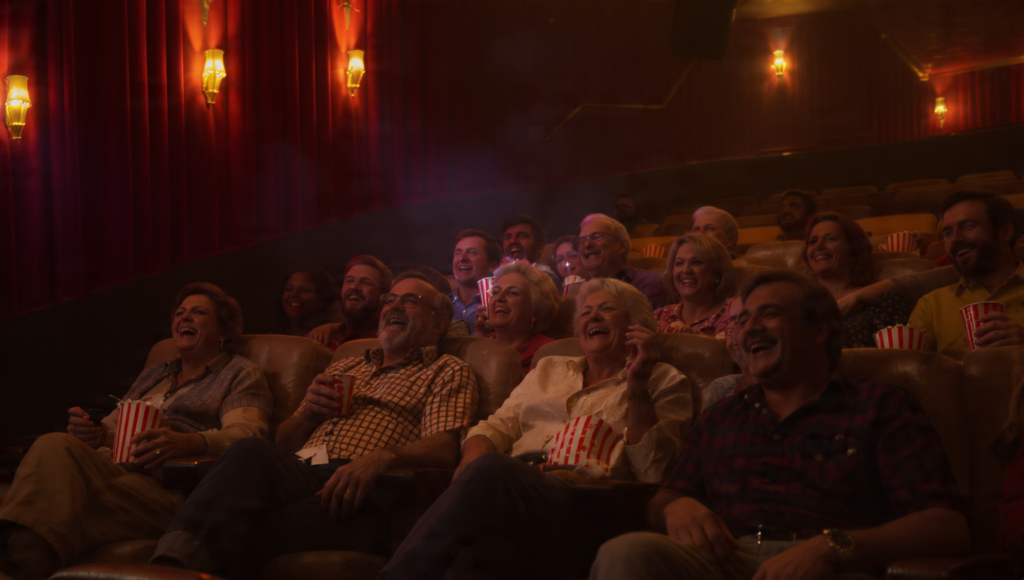
Over time, those lines stop feeling borrowed. They become natural expressions.

A quote from Ferris Bueller’s Day Off or The Breakfast Club feels less like a reference and more like a voice people already own.

Quotes That Carry Feeling

The most enduring lines hold emotion, not just humor.

“Don’t you forget about me.”
“Nobody puts Baby in a corner.”
“I ain’t afraid of no ghost.”

These phrases work because they express confidence, defiance, and joy. They fit many moments.

They feel like thoughts rather than scripted dialogue.

Characters Who Gave Us a Voice

Retro films created characters whose voices felt distinct and human. Ferris Bueller’s charm, Rocky’s quiet determination, and Venkman’s playful confidence felt real.

Quoting them becomes a way of borrowing tone. It helps express mood without explanation.

The character becomes part of how people speak.

Why Certain Lines Stick

Memorable quotes often arrive at emotional peaks. They are spoken during triumph, embarrassment, or change.

The brain ties the words to the feeling.

When that feeling appears in real life, the line resurfaces.

The quote becomes emotional shorthand.

Shared Recognition in Everyday Life

Quoting a retro movie is rarely about the words alone. It is about connection.

When someone responds, a small bond forms. Both people recognize the same moment.

The film becomes a bridge.

Memory becomes social.

Humor That Refuses to Age

Many retro quotes remain funny because they come from behavior rather than trend.

The rebellion in Ferris Bueller’s Day Off.
The awkward honesty in The Breakfast Club.
The confidence in Top Gun.

People still act the same way. The humor still works.

The joke remains alive.

How Quoting Keeps Films Present

Every time a line is used, the movie briefly returns to the present.

It moves from screen to speech.

The film does not fade. It circulates.

Language becomes preservation.

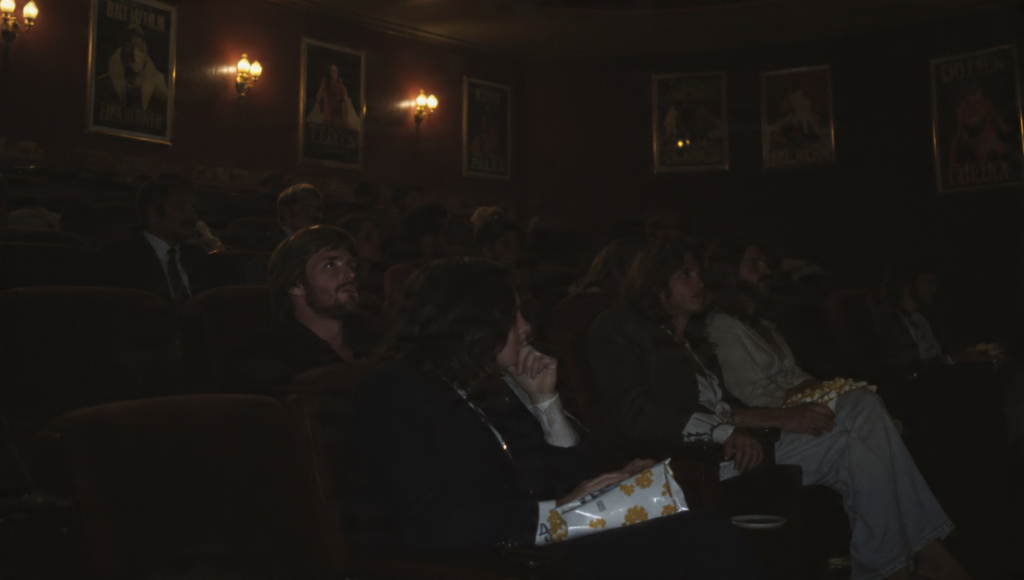
Movies That Still Echo in Conversation

For many, the most quoted retro films now include:
Ferris Bueller’s Day Off
The Breakfast Club
Ghostbusters
Dirty Dancing
Top Gun
Rocky
Die Hard
Beetlejuice

These are not just movies.

They are reactions.
They are jokes.
They are shared signals.

They remain because people still speak them.

Why Quoting Feels Personal

Repeating a line feels like ownership. It is a way of carrying the film forward.

The story becomes part of how someone expresses themselves.

It moves from memory into identity.

That is why these movies never go silent.

They continue in conversation.


Image Guidance

  • Type: Featured quote-driven hero image
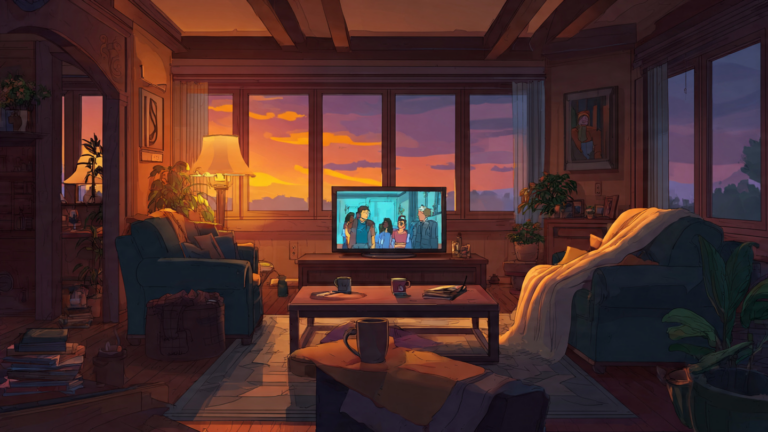
  • What it should show: A cozy living room with a TV paused on a recognizable retro movie moment, while a subtle subtitle-style quote appears on the screen. Include everyday details like a phone on the couch, a coffee mug on the table, and warm ambient light.
  • Intent: The image should instantly signal “iconic movie lines,” making viewers feel they are about to rediscover phrases they already know by heart. It should stop scrolling through recognition.
  • Reminder: Avoid promotional stills or flashy typography. The scene must feel lived-in and natural, suitable as a featured image that blends nostalgia with everyday conversation.
Some movies seem immune to time. Years pass, trends change, and technology evolves, yet these films remain easy to watch and emotionally familiar. They do not feel dated when they begin.

They feel like they are still waiting for the viewer.

These stories settle naturally into modern routines, playing during quiet evenings or relaxed weekends. Their rhythm feels steady, their characters feel real, and their emotions still land. They never get old because they were never built on novelty alone.

AI Insight:
As older films become part of everyday streaming habits, many reveal how stories rooted in human emotion remain relevant regardless of era or format.

Built Around Human Emotion

Timeless films begin with people rather than spectacle. Their foundation is built on belonging, fear, hope, and growth.

Forrest Gump speaks through kindness. The Shawshank Redemption centers on endurance. The Lion King explores identity and loss.

Technology changes. Emotion does not. These films still work because they speak a language people continue to understand.

Characters Who Feel Real

Enduring movies create characters who feel imperfect and human. They hesitate, make mistakes, and change in recognizable ways.

Woody’s fear of being replaced, Marty McFly’s uncertainty, and Simba’s self-doubt mirror real experience.

Because the characters feel real, the stories remain relatable across generations.

Pacing That Allows Presence

Many classics move with patience. Scenes unfold without urgency, allowing moments to settle.

Modern storytelling often rushes. These films trust stillness. They let silence and pause carry meaning.

That rhythm now feels calming. It invites presence rather than demand.

Worlds That Feel Lived In

Timeless movies build spaces that feel visited rather than staged. Hogwarts, Andy’s room, Hill Valley, and the prison yard in Shawshank remain vivid.

These places feel consistent and real. Returning to them feels like revisiting familiar streets.

The environment itself becomes comfort.

Humor That Ages Gracefully

Comedy lasts when it comes from behavior. Awkwardness, pride, and misunderstanding never disappear.

Back to the Future finds humor in displacement. Toy Story finds it in insecurity. The Princess Bride finds it in sincerity.

Because people still behave the same way, the humor still works.

Music That Holds Memory

Timeless films often pair story with music that becomes inseparable from feeling. A few notes from Jurassic Park or The Lion King instantly change mood.

Sound bypasses thought. It moves directly to emotion.

The movie returns before the image appears.

Stories Built for Return

These films are designed for rewatching. Knowing what happens does not weaken them.

A scene once thrilling becomes reflective. A line once unnoticed becomes meaningful.

The film remains the same. The viewer changes.

Emotional Safety in Structure

Many classics follow reassuring patterns. Trouble appears. Courage responds. Warmth returns.

This structure teaches that uncertainty can resolve.

In a fast world, that predictability feels grounding.

Imperfection That Feels Human

Older films often show their seams. Practical effects, grain, and pacing reveal the hand behind the work.

Instead of distracting, this human touch feels honest.

In a polished digital era, imperfection feels real.

Why They Still Belong

These films never get old because they offer contrast.

They show that stories can be patient.
They prove that silence can speak.
They remind viewers that emotion does not need speed.

They feel human.

That humanity keeps them alive.

The Movies That Always Return

For many, timeless favorites include:

Forrest Gump
The Shawshank Redemption
The Lion King
Back to the Future
Jurassic Park
Toy Story
The Princess Bride
Harry Potter and the Sorcerer’s Stone

These are not just titles.

They are evenings remembered.
They are feelings revisited.
They are versions of self.

They never get old because people do not stop feeling.


Some films continue to feel natural long after their era has passed. Their settings may look older, their technology may feel distant, yet the experience of watching them remains smooth and emotionally familiar. They do not feel like relics.

They feel alive.

These classics still work because they were never built on trend alone. They were built on people, emotion, and rhythm. Time has moved forward, but these stories remain easy to enter.

AI Insight:
As older films become part of modern viewing routines, many reveal how stories grounded in human behavior remain relevant long after their original moment fades.

They Focus on Human Experience

Timeless movies begin with people rather than spectacle. Their core is built around belonging, fear, hope, and change.

Forrest Gump is about kindness. The Shawshank Redemption is about endurance. The Lion King is about identity.

Technology ages. Emotion does not. These films still work because they speak in a language people continue to understand.

Their Pacing Allows Breathing Room

Classic films often move with patience. Scenes unfold without urgency, allowing moments to settle.

Modern storytelling often moves quickly to hold attention. These movies trust stillness. They allow silence and pause.

That rhythm now feels calming. It invites presence rather than demand.

Characters Feel Like People

Enduring films create characters who feel imperfect and human. They hesitate, fail, and grow in recognizable ways.

Marty McFly feels unsure. Woody feels replaceable. Simba feels lost. These emotions mirror real life.

Because the characters feel real, the stories remain relatable across generations.

They Trust the Viewer

Many classics do not explain every feeling. They show rather than instruct.

Jurassic Park lets awe coexist with warning. Titanic lets choice carry meaning. The Matrix asks questions without answering them fully.

This trust feels refreshing. The viewer is allowed to think and feel without guidance.

Their Worlds Feel Lived In

Timeless films build environments that feel visited rather than staged. Hogwarts, Andy’s room, and Hill Valley remain vivid.

These places feel consistent and real. Returning to them feels like revisiting familiar streets.

The space itself carries comfort.

Humor That Ages Gracefully

Comedy lasts when it comes from behavior. Awkwardness, pride, and misunderstanding never disappear.

Back to the Future finds humor in displacement. Toy Story finds it in insecurity. The Princess Bride finds it in sincerity.

Because people still behave the same way, the humor still works.

Music That Holds Memory

Classic films often use music that becomes inseparable from emotion. A few notes from The Lion King or Jurassic Park instantly change mood.

Sound bypasses thought. It moves directly to feeling.

The movie returns before the image appears.

They Invite Rewatching

These films are built for return. Knowing what happens does not weaken them.

Rewatching reveals new layers. A scene once exciting becomes reflective. A line once unnoticed becomes meaningful.

The film remains the same. The viewer changes.

They Offer Emotional Safety

Classic movies often follow reassuring patterns. Trouble arrives. Courage responds. Warmth returns.

That structure teaches that uncertainty can resolve.

In a fast world, this predictability feels grounding.

They Feel Made, Not Manufactured

Many classics show their seams. Practical effects, grain, and pacing reveal the hand behind the work.

Instead of distracting, this human touch feels honest.

In a polished digital era, imperfection feels real.

Why They Still Matter

These films still work because they offer contrast.

They show that stories can be patient.
They prove that silence can speak.
They remind viewers that emotion does not need speed.

They feel human.

That humanity keeps them alive.


Weekend nights once felt different. The pace slowed, lights dimmed, and attention gathered around a single screen. A movie was not background noise. It was the event, the reward after a long week, and the moment everyone waited for.

These films did more than pass time. They shaped how weekends felt. They became rituals, memories, and emotional markers that separated ordinary days from something special.

They were not just watched. They were anticipated.

AI Insight:
As people revisit the films that once anchored their weekends, these stories often reveal how shared routines quietly turned entertainment into emotional tradition.

When a Movie Meant the Evening

Before endless scrolling, choosing a movie felt deliberate. Someone visited a rental store, flipped through cases, and committed to a single story for the night.

That choice mattered. The film became the centerpiece of the evening, not a distraction. Snacks were prepared, lights were lowered, and everyone settled in.

The weekend began when the movie started.

Ritual Over Convenience

Weekend movies followed ritual. Families gathered. Friends stayed over. The same couch became the same seat.

Home Alone meant winter nights. Jurassic Park meant wide eyes and silence. Forrest Gump meant reflection before sleep.

These films became part of routine. They signaled that time was different now.

The weekend had a rhythm.

Shared Attention

These movies were watched together. Everyone saw the same scene at the same moment.

Laughter happened in unison. Gasps were shared. Silence felt collective.

That shared attention created memory. The film was not experienced alone.

It became a group story.

Stories That Felt Big

Weekend-night movies often felt larger than life. They offered scale, emotion, and immersion.

Titanic filled the room with history and romance. Back to the Future made time feel playful. The Lion King carried myth into living rooms.

These films felt important. They felt like something worth staying up for.

The night carried weight.

Comfort and Escape

After long weeks, these movies offered relief. They created space to breathe.

The familiar rhythm of Toy Story or Harry Potter and the Sorcerer’s Stone softened the edges of stress. The story took over.

Weekend nights became safe emotional spaces.

The film held the room.

Characters That Stayed With You

Weekend movies often introduced characters that lingered beyond the credits.

Marty McFly’s nervous courage, Simba’s growth, and Woody’s loyalty became part of imagination.

Children replayed scenes. Adults remembered lines. The characters traveled into daily life.

The weekend extended into the week.

Music That Marked Time

Theme music became emotional signals. A few notes from Jurassic Park or The Lion King still recall a dark room and glowing screen.

Sound became memory. The body remembers before the mind does.

Music marked the start of something special.

The weekend announced itself.

The Feeling of Staying Up Late

Many of these movies were watched past bedtime. That alone made them feel important.

Staying awake felt like freedom. The story became part of that privilege.

A movie was not just entertainment.

It was permission.

Why These Films Still Matter

These movies remain powerful because they are tied to emotion, not era.

They recall safety, anticipation, and togetherness. They represent moments when time slowed and attention focused.

Rewatching them does not just replay a story.

It replays a feeling.

How They Feel Different Today

Watching these films now carries extra weight. Life feels faster. Attention is fragmented.

Returning to a weekend movie feels grounding. The pace feels intentional.

The film offers contrast to constant motion.

It allows pause.

The Movies That Owned the Night

For many, weekend-defining films include:

Home Alone
The Lion King
Jurassic Park
Titanic
Back to the Future
Toy Story
Forrest Gump
Harry Potter and the Sorcerer’s Stone

These are not just titles.

They are nights remembered.
They are couches and blankets.
They are voices in dark rooms.

They remain because they were part of living.

The Quiet Power of Routine

What made these movies special was not only story.

It was context.

They arrived when the world slowed. They filled space with meaning.

They taught that time could be marked by story.

They turned weekends into memory.

Why They Still Feel Like Events

Even now, pressing play on one of these films feels different.

There is expectation. There is familiarity. There is warmth.

The room changes slightly.

The weekend returns.

Some movies never lose their pull. Even after years have passed, they still feel welcoming the moment they begin. The opening scene arrives, and something inside relaxes, already knowing where the story will go.

These films are not revisited out of boredom. They are returned to because they carry memory, comfort, and emotional familiarity. Watching them again feels less like consuming content and more like reconnecting with a part of life that once felt simple.

They are worth rewatching because they still give something back.

AI Insight:
As rewatching becomes part of everyday viewing, certain films quietly shift from entertainment into emotional anchors that help people reset and reconnect.

Why Familiar Stories Feel New Again

Old favorites often reveal new meaning over time. A scene once watched for adventure now feels reflective, while a joke once brushed past now lands with weight.

Life adds context. Experiences reshape interpretation. The film remains unchanged, yet the viewer brings something new.

Rewatching becomes discovery in reverse.

Comfort Without Effort

Rewatchable films do not demand attention. The mind knows their rhythm, their tone, and their ending.

This removes pressure. There is no need to prepare for surprise. The story becomes safe.

In moments of fatigue or stress, that predictability feels restorative.

Characters That Feel Like Companions

Old favorites usually feature characters who feel personal. Their habits are known. Their voices are familiar.

Woody’s worry, Marty McFly’s nervous confidence, and Forrest Gump’s quiet sincerity feel remembered rather than observed.

Watching them again feels like visiting someone known.

Dialogue That Lives Beyond the Screen

These films often leave behind lines that remain part of daily language.

“To infinity and beyond.”
“Life is like a box of chocolates.”
“Roads? Where we’re going, we don’t need roads.”

Quoting them feels like shared memory. The movie continues outside itself.

Worlds That Invite Return

Rewatchable favorites build spaces that feel lived in. Hogwarts, Andy’s room, the park in Jurassic Park, and Hill Valley in Back to the Future remain vivid.

They do not feel imagined. They feel visited.

Returning to them feels like revisiting a familiar place.

The Power of Knowing What Comes Next

Nostalgia thrives on certainty. Knowing what will happen does not weaken the experience. It strengthens it.

The mind relaxes. Emotion flows without resistance. The story becomes shelter.

These films are chosen when reassurance matters.

How Old Favorites Grow With You

A film watched at twelve feels different at thirty. Toy Story becomes about growing up. The Lion King becomes about responsibility.

What once felt like adventure becomes reflection. What once felt light becomes meaningful.

The film remains the same. The viewer changes.

Shared Memory Across Time

Old favorites often cross generations. Parents share E.T.. Siblings introduce Back to the Future. Friends rediscover Mean Girls.

The story becomes collective. Memory becomes something passed forward.

Rewatching becomes connection.

Why These Films Endure

They endure because they are emotionally honest. They are warm, clear, and sincere.

They do not overwhelm. They invite return. They feel like places the mind already knows.

That familiarity becomes comfort.

The Movies People Always Come Back To

For many, old favorites worth rewatching include:

Back to the Future
The Lion King
Toy Story
Forrest Gump
Home Alone
Jurassic Park
Harry Potter and the Sorcerer’s Stone
Mean Girls

These are not just titles. They are afternoons remembered and seasons revisited.

They remain because they were never only watched. They became part of life.

The Quiet Joy of Returning

Rewatching an old favorite is not about reliving the past. It is about bringing the past into the present.

It is about feeling grounded. It is about recognizing how far one has come.

These films remain because they hold space for who viewers were and who they are now.

They are worth rewatching because they still understand.

Some movies never really leave. They stay in memory, in conversation, and in quiet moments when a familiar scene suddenly feels comforting. Retro favorites do not depend on surprise. Their power comes from recognition.

These films were watched during school breaks, family nights, and long weekends. Over time, they became part of personal history rather than just entertainment. Pressing play today feels less like watching and more like remembering.

They are loved because they carry time inside them.

AI Insight:
As people return to familiar films over the years, certain stories quietly become emotional anchors, reconnecting viewers with how life once felt in simple, immediate ways.

When Movies Became Moments

Retro favorites often mark specific phases of life. Home Alone feels like winter. Back to the Future feels like possibility. Forrest Gump feels like reflection.

These movies did not exist in isolation. They were tied to afternoons, holidays, and growing up. Watching them again does not only replay the story. It reopens a chapter of life.

The film becomes a timestamp.

Characters That Feel Remembered

Many of these movies created characters who feel personal rather than fictional. Simba, Marty McFly, Woody, and Kevin McCallister feel known.

Their reactions are anticipated. Their growth feels shared. Watching them again feels like meeting someone remembered rather than discovered.

The story becomes relationship.

Music That Opens Memory

Retro movies often begin with sound that instantly changes mood. A few notes from The Lion King, Titanic, or Jurassic Park bring entire scenes back.

Music bypasses thought. It moves straight to feeling. The body remembers before the mind does.

The movie arrives emotionally before it arrives visually.

Worlds That Stay Vivid

These films build places that linger. Hogwarts, Pride Rock, the park in Jurassic Park, and Andy’s room feel visited rather than seen.

They become part of inner geography. Returning to them feels like revisiting a childhood neighborhood.

Space itself holds memory.

Dialogue That Lives Beyond the Screen

Retro favorites often leave behind lines that refuse to stay in the film.

“To infinity and beyond.”
“Life is like a box of chocolates.”
“Roads? Where we’re going, we don’t need roads.”

These phrases enter daily life. Quoting them becomes a way of remembering together.

The movie continues in conversation.
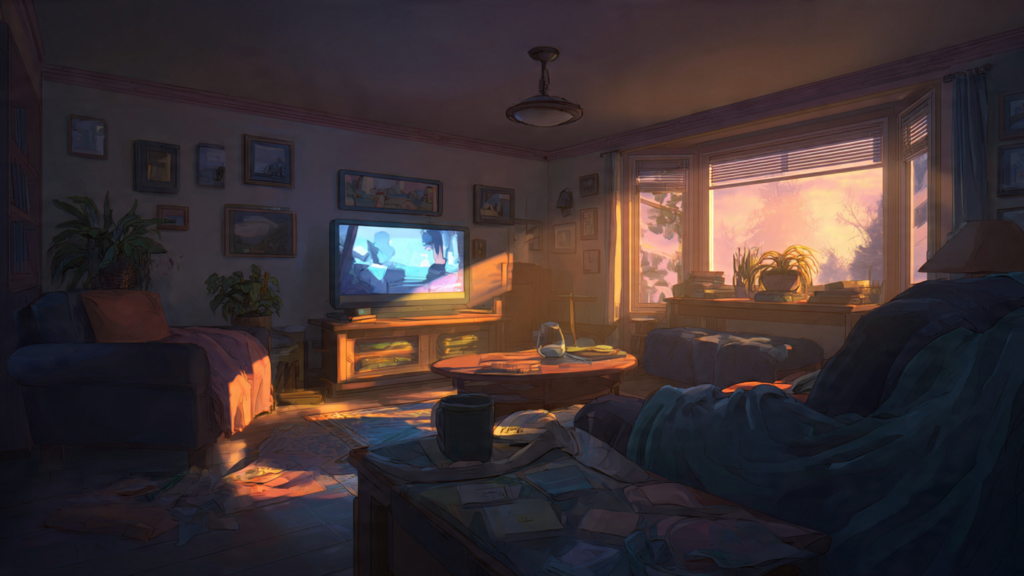
The Comfort of Knowing What Comes Next

Nostalgia thrives on predictability. Knowing what will happen does not reduce enjoyment. It deepens it.

The mind relaxes. There is no need to prepare for surprise. The story becomes safe.

These films become emotional shelter in moments that need certainty.

How These Movies Change With Age

Retro favorites grow alongside viewers. Toy Story becomes about growing up. The Lion King becomes about responsibility.

What once felt like adventure becomes reflection. What once felt light becomes meaningful.

The film remains unchanged. The viewer does not.

Shared Memory Across Generations

These movies travel across age. Parents share E.T.. Siblings introduce Back to the Future. Friends rediscover Mean Girls.

The story becomes collective. Nostalgia becomes shared language.

Memory becomes something passed forward.

Why They Stay Loved

They stay loved because they are emotionally honest. They are warm, clear, and sincere.

They do not overwhelm. They invite return. They feel like places the mind already knows.

That familiarity becomes comfort.

The Movies People Always Return To

For many, retro favorites include:

Home Alone
The Lion King
Toy Story
Back to the Future
Jurassic Park
Forrest Gump
Harry Potter and the Sorcerer’s Stone
Mean Girls

These are not just titles.

They are afternoons remembered.
They are holidays revisited.
They are versions of self.

They remain because they were never only watched.

They became part of life.


Image Guidance

  • Type: Featured nostalgic hero image
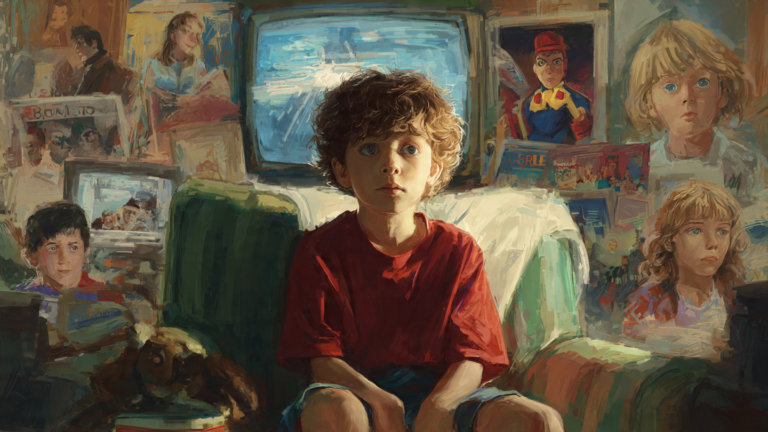
  • What it should show: A cozy, slightly retro living room with warm evening light, a TV playing a recognizable 90s or early-2000s movie scene, and subtle details like VHS tapes, a game console, or old posters nearby. The space should feel paused in time.
  • Intent: The image should instantly trigger nostalgia and emotional warmth, making viewers feel they are about to revisit a memory rather than watch a film. It should stop scrolling through recognition.
  • Reminder: Avoid promotional stills or glossy modern styling. The scene must feel lived-in, real, and emotionally inviting, suitable as a featured image for a retro-movie article.

Some movies do not just remind people of growing up. They are growing up. Watching them again feels like opening a drawer full of old notebooks, toys, and half-forgotten dreams. The screen lights up, and a younger version of life quietly returns.

These films were not only watched. They were lived with. They played on weekends, during holidays, and on afternoons when time felt endless. Over time, they became part of memory rather than entertainment.

They feel like childhood because they helped shape it.

AI Insight:
As people revisit the films they loved early in life, these stories often act like emotional shortcuts, instantly reconnecting them to how the world once felt.

The First Sense of Wonder

Many childhood-defining films introduce wonder in a way nothing else can. Jurassic Park made dinosaurs feel real. Harry Potter and the Sorcerer’s Stone made magic feel possible.

These movies did not just show new worlds. They suggested that ordinary life could hide something extraordinary. The screen became a doorway rather than a boundary.

That feeling of discovery stays long after the story ends.

Characters Who Felt Like Friends

Childhood films often create characters who feel personal. Simba, Woody, Kevin McCallister, and Hermione Granger become companions rather than performers.

Their fears mirror real ones. Their courage feels achievable. Their journeys feel shared.

Watching them again feels like meeting someone remembered rather than discovered. The story becomes relationship.

Stories That Taught Emotion Gently

These films introduce complex feeling in safe ways. The Lion King teaches loss without cruelty. Toy Story explores belonging without heaviness.

Children learn sadness, hope, and change inside stories that feel warm. Emotion arrives wrapped in adventure.

These movies become the first language of feeling.

Ritual and Routine

Childhood films were rarely one-time experiences. They became part of rhythm.

Home Alone meant winter. Matilda filled quiet afternoons. Back to the Future owned weekends.

They played during snacks and sleepovers. They became part of the room.

Cinema became environment.

Lines That Entered Play

Many childhood movies live on through language.

“To infinity and beyond.”
“Just keep swimming.”
“Yer a wizard, Harry.”

These lines moved into games, jokes, and imagination. Quoting them felt like belonging.

The movie extended beyond the screen.

Worlds That Felt Visited

These films build places that remain vivid. Hogwarts, Pride Rock, Andy’s room, and Jurassic Park feel remembered.

They do not feel seen. They feel visited.

Returning to them feels like revisiting a childhood neighborhood. Space itself holds memory.

Safety in Structure

Childhood films often follow reassuring patterns. Trouble appears. Courage responds. Warmth returns.

The rhythm teaches that problems can be faced. That uncertainty can resolve.

Knowing the ending does not weaken comfort. It strengthens it.

The story becomes safe.

How These Films Change Over Time

Rewatching reveals new layers.

Toy Story becomes about growing up.
Finding Nemo becomes about letting go.
Harry Potter becomes about belonging.

The film does not change.

The viewer does.

Shared Memory Across Generations

These movies travel across age. Parents share The Lion King. Siblings introduce Back to the Future. Friends rediscover Home Alone.

The story becomes collective.

Childhood becomes something shared.

Why They Stay Close

These films remain because they are emotionally honest. They are warm, clear, and sincere.

They do not overwhelm. They invite return.

They feel like places the mind already knows.

That familiarity becomes comfort.

The Movies That Feel Like Childhood

For many, these include:

The Lion King
Toy Story
Harry Potter and the Sorcerer’s Stone
Jurassic Park
Home Alone
Finding Nemo
Back to the Future
Matilda

These are not just titles.

They are mornings remembered.
They are holidays revisited.
They are early versions of self.

They feel like childhood because they helped create it.

They remain because childhood never fully leaves.


Image Guidance

  • Type: Featured nostalgic hero image
  • What it should show: A softly lit room that feels like a child’s space from the past—perhaps a small bed or couch with a blanket, scattered toys or books, and a TV playing a familiar animated or adventure movie scene. The room should feel warm, quiet, and timeless.
  • Intent: The image should instantly evoke early-life memory and emotional warmth, making readers feel they are about to step back into a moment from growing up. It should stop scrolling through recognition rather than spectacle.
  • Reminder: Avoid polished studio lighting or promotional stills. The scene must feel lived-in and gentle, suitable as a featured image that visually communicates “this feels like childhood.”

Some television shows seem untouched by time. Years pass, styles change, and screens evolve, yet these series remain easy to watch, emotionally familiar, and surprisingly current. They do not feel like artifacts from another era.

They feel like places that still exist.

When these shows play today, they settle naturally into modern routines. Their humor lands, their characters feel real, and their stories still resonate. Time has moved on, but they have not been left behind.

AI Insight:
As older series re-enter everyday viewing through streaming, many reveal how timeless human behavior can outlast fashion, technology, and trend.

Stories Built on Human Nature

Timeless shows focus on people, not periods. They revolve around friendship, family, ambition, insecurity, and belonging.

Friends is about connection. Frasier is about self-image. The Wonder Years is about memory. These themes do not expire.

Because human behavior remains constant, the stories remain recognizable. Viewers still see themselves in the screen.

Time changes context, not emotion.

Characters That Feel Lived In

Enduring series create characters with depth rather than gimmick. They evolve slowly, revealing flaws and growth over time.

Chandler’s humor as defense, Frasier’s insecurity beneath intellect, and Uncle Phil’s quiet authority still feel real.

These characters are not tied to trend. They are tied to personality. That humanity keeps them relevant.

They feel like people, not performances.

Humor That Ages Gracefully

Comedy lasts when it comes from behavior. Awkwardness, pride, misunderstanding, and self-doubt never disappear.

Seinfeld finds humor in small frustration. The Fresh Prince of Bel-Air blends wit with warmth. Frasier turns insecurity into charm.

Because people still act the same way, the jokes still land. Human nature does not go out of style.

Worlds That Feel Stable

Timeless shows create environments that feel emotionally safe. Central Perk, the Tanner home, and the Crane apartment feel like places rather than sets.

Viewers return to these spaces as much as to the stories. They feel consistent and welcoming.

In a changing world, these settings remain steady. They become emotional landmarks.

Episodic Design That Welcomes Return

Older shows often use self-contained episodes. Viewers can drop in at any point without preparation.

An episode can play while cooking, resting, or thinking. There is no pressure to commit.

This structure fits modern life perfectly. The show becomes companion rather than task.

Emotional Honesty Without Weight

Timeless series allow feeling without heaviness. They touch on loneliness, growth, and failure gently.

Boy Meets World explored identity through conversation. Full House framed family challenges with warmth.
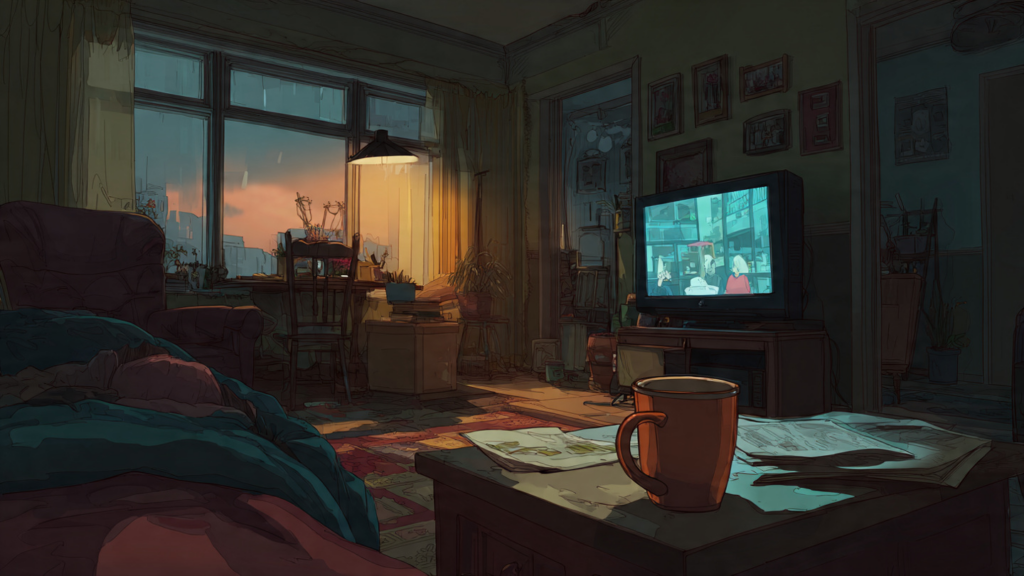
These stories feel approachable. They reflect life without overwhelming it, making them easy to return to.

Rewatching as Self-Discovery

Returning to these shows reveals personal change. Jokes land differently. Conflicts feel deeper.

A character once ignored becomes relatable. A storyline once skipped becomes meaningful.

The show remains the same. The viewer evolves.

Timelessness lives in that dialogue.

Shared Cultural Memory

These series persist because they belong to more than one person. They are shared reference points.

A line from Friends still needs no explanation. A theme song still triggers recognition.

They live in conversation as much as on screen. They remain alive because they are shared.

Why They Still Matter

Timeless shows offer contrast in a fast world. They remind viewers that stories can be patient.

They show that humor can be gentle. They prove that connection does not require intensity.

They feel human.

That humanity keeps them present.

The Series That Continue to Endure

For many, timeless favorites include:

Friends
Frasier
The Fresh Prince of Bel-Air
Seinfeld
Boy Meets World
The Wonder Years
Full House
That ’70s Show

These are not just shows.

They are rooms remembered.
They are voices recalled.
They are versions of self.

They feel timeless because people still do.

Some television shows do more than entertain. They quietly reshape how people talk, dress, joke, and think. Long after episodes end, their influence remains visible in everyday language, shared references, and social behavior.

These series become cultural landmarks. They define moods, reflect values, and give entire generations a common rhythm. Pop culture does not simply borrow from them. It grows around them.

They shape how an era feels.

AI Insight:
As people revisit these series through modern streaming habits, their cultural influence becomes clearer, revealing how entertainment slowly turns into shared identity over time.

When Television Became a Cultural Mirror

Shows that shape pop culture often reflect everyday life with clarity. They capture how people speak, connect, and struggle in ways that feel immediate.

Friends turned young adulthood into a shared experience. The Fresh Prince of Bel-Air reframed family and identity through humor. Seinfeld made ordinary frustration visible.

These shows did not exaggerate life. They observed it. That observation allowed viewers to recognize themselves on screen.

Television became a mirror rather than a spectacle.

Language That Entered Daily Life

One of the clearest signs of cultural impact is language. Catchphrases and expressions migrate from screen to street.

“How you doin’?”
“No soup for you.”
“Did I do that?”

These lines became emotional shortcuts. They carried humor and context instantly.

Pop culture absorbed them because they felt natural. They became part of how people spoke.

Fashion That Became Identity

Certain shows influenced how people dressed and presented themselves. Rachel Green’s hairstyle became a global reference. Will Smith’s wardrobe made confidence visible.

Clothing on screen became aspiration. It shaped how viewers imagined themselves.

Style became storytelling. Television guided how identity looked.

The influence extended beyond the screen.

Humor That Redefined Tone

Pop culture changes when humor changes. Shows like The Office and Parks and Recreation reshaped comedy through awkwardness and warmth.

Jokes became quieter. Pauses became punchlines. Kindness became funny.

This tone spread across media. Advertising, social content, and conversation adapted.

Television did not follow humor.

It led it.

Characters as Cultural Archetypes

Some characters become types rather than roles. The awkward coworker. The overconfident friend. The sarcastic observer.

Michael Scott, Chandler Bing, and George Costanza feel familiar even outside their shows.

These figures shape how people understand personality. They become reference points.

Pop culture learns from them.

Shared Viewing as Social Glue

Before on-demand viewing, these shows were watched together. Entire groups experienced the same moment.

Cliffhangers became conversation. Jokes needed no explanation.

This shared rhythm created unity. A show could define a week.

Pop culture grew from common experience.

Storytelling That Shifted Expectations

Certain series redefined how stories were told. The Sopranos blurred hero and villain. Lost made mystery communal.

Viewers learned to expect complexity. Characters could be flawed. Endings could be uncertain.

This shift influenced how stories across media were shaped.

Television taught audiences to think differently.

Music as Cultural Trigger

Theme songs from these shows became emotional signals. A few notes could trigger recognition.

The opening of Friends or The X-Files still evokes immediate response.

Sound became memory.

Pop culture learned how to feel.

Why These Shows Still Influence

They remain relevant because they were built on human behavior. Friendship, ambition, insecurity, and belonging do not expire.

Modern content still echoes their structure, tone, and rhythm.

These series taught culture how to talk to itself.

They still speak.

The Shows That Left a Mark

For many, pop culture–defining series include:

Friends
The Fresh Prince of Bel-Air
Seinfeld
The Office
The Sopranos
The X-Files
Parks and Recreation
Lost

These are not only programs.

They are reference points.
They are shared language.
They are cultural memory.

They shaped pop culture because they shaped how people saw themselves.

Some television series remain present long after their final episodes air. They continue to appear in daily routines, background noise, and quiet evenings, offering something familiar in a world that constantly changes.

These shows are not remembered only because they were popular. They remain because they still speak, still comfort, and still reflect something real about how people live and feel.

They matter because they never stopped belonging.

AI Insight:
As streaming turns past series into everyday companions, these shows quietly shift from entertainment into emotional reference points that shape how people unwind, reflect, and feel connected.

They Preserve Emotional Memory

Series that endure become tied to specific periods of life. A single scene can recall school years, first apartments, or family evenings around the television.

These memories are not about plot. They are about how life felt when the show was playing in the background.

The series becomes a container for time, holding emotion long after the moment has passed.

They Reflect Human Patterns

What keeps these shows alive is not trend, but truth. They revolve around friendship, work, family, ambition, and uncertainty.

People still misunderstand each other. They still seek belonging. They still fail, recover, and try again.

Because human behavior does not change, the stories remain recognizable. The viewer still sees themselves in the screen.

They Offer Stability in Motion

Life moves quickly, often without warning. These series remain steady.

Their tone is known. Their rhythm is familiar. Their emotional range feels safe.

Returning to them offers a pause. The show becomes a space where things resolve, where warmth returns, and where the world feels manageable again.

They Create Shared Language

Enduring series live beyond the screen. Their lines become phrases. Their moments become references.

A single quote can create instant understanding between strangers. A theme song can unite a room.

These shows matter because they are communal. They connect people through memory and recognition.

They Teach Without Forcing

Many of these series carried quiet lessons. They modeled empathy, conflict, growth, and resilience without announcing them.

Viewers learned by watching life unfold. Friendship felt possible. Change felt survivable.

The teaching was subtle, but lasting. The values became part of how people understood relationships.

They Grow With the Viewer

Rewatching changes perspective. A joke lands differently. A character becomes relatable.

What once felt light becomes meaningful. What once felt distant becomes personal.

The show does not change. The viewer does. The story becomes a mirror rather than a memory.

They Prove Stories Can Stay

Modern content often moves quickly and disappears. These series prove that stories can remain.

They show that connection does not require constant novelty. They demonstrate the value of rhythm, patience, and presence.

They matter because they offer an alternative to urgency.

They show that it is okay to stay.

Why They Still Belong

These series belong because they were built on people, not spectacle.

They leave space. They allow pause. They feel human.

They remain because they were never only watched.

They were part of life.