The Film Bakers

Author

Henry

Browsing

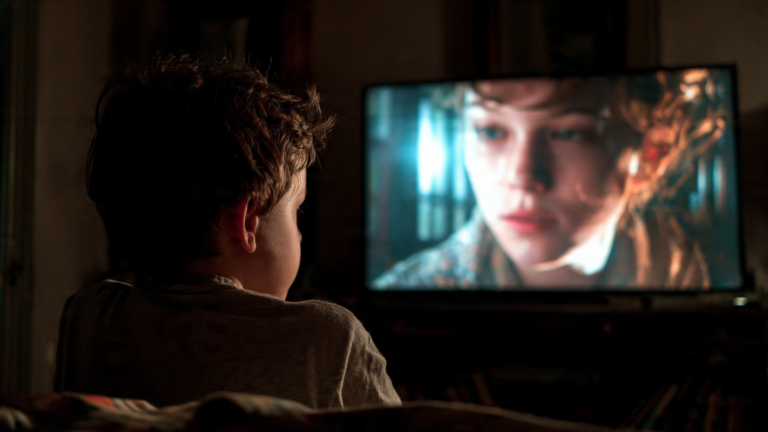
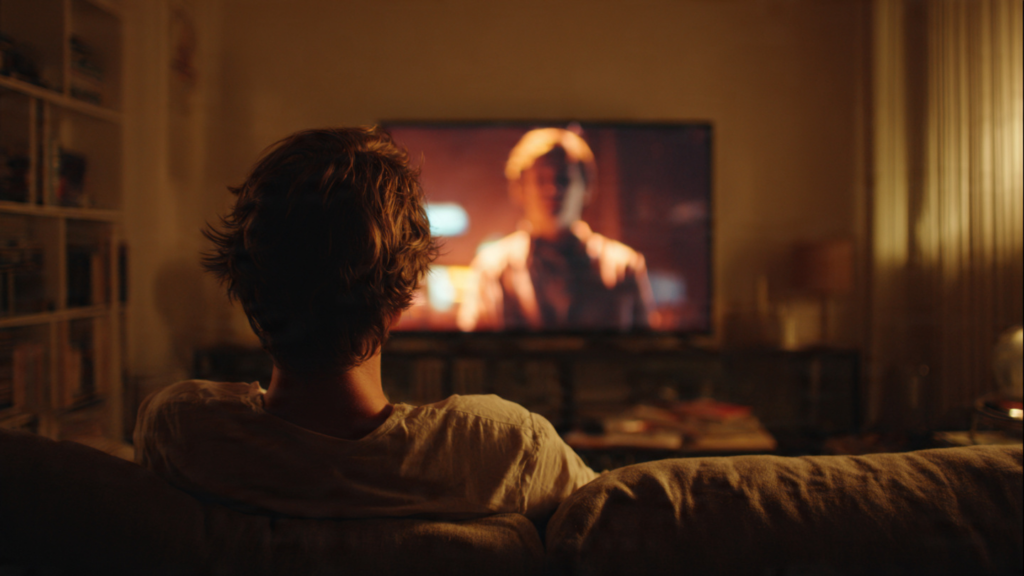
Some movies are watched once and remembered. Others are watched again and again, becoming part of daily life rather than special occasions. They play in the background during homework, fill quiet weekends, and return whenever comfort is needed.

These films do not rely on surprise. Their power comes from familiarity. Knowing what happens does not lessen their effect. In many cases, it deepens it. Repetition turns stories into companions.

They are not just movies.

They are routines.

AI Insight:
As rewatching becomes part of everyday viewing habits, certain films shift from entertainment into emotional anchors, shaping comfort, memory, and personal rhythm over time.

Why Some Movies Invite Return
Not every film asks to be revisited. Movies watched on repeat tend to balance clarity with depth. They are easy to enter, yet rich enough to explore again.

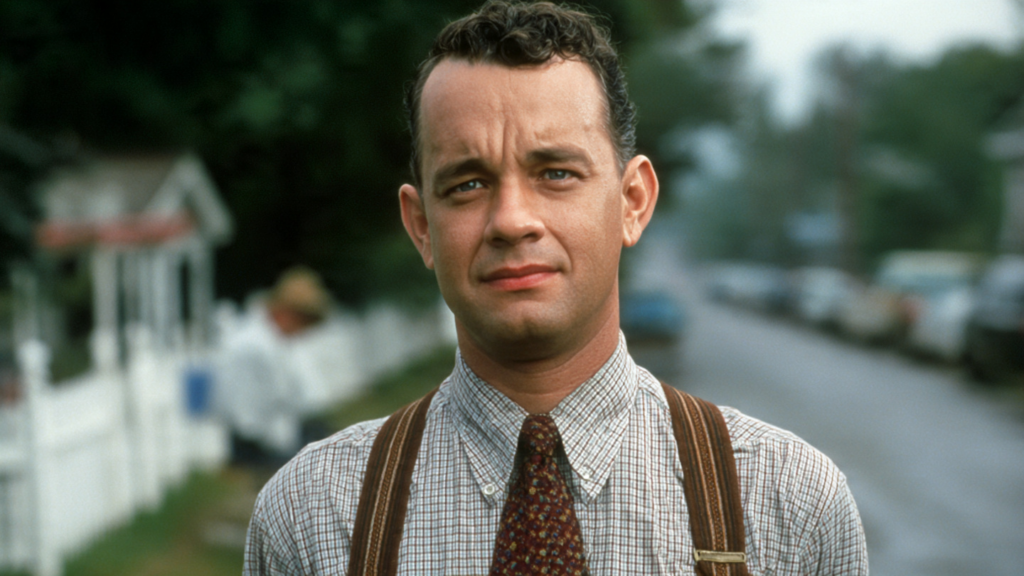
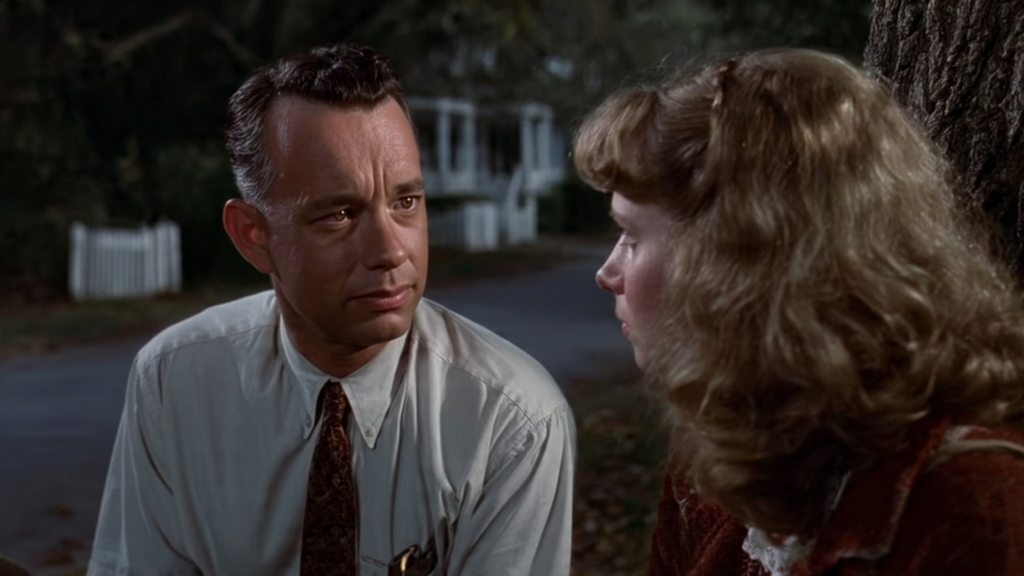
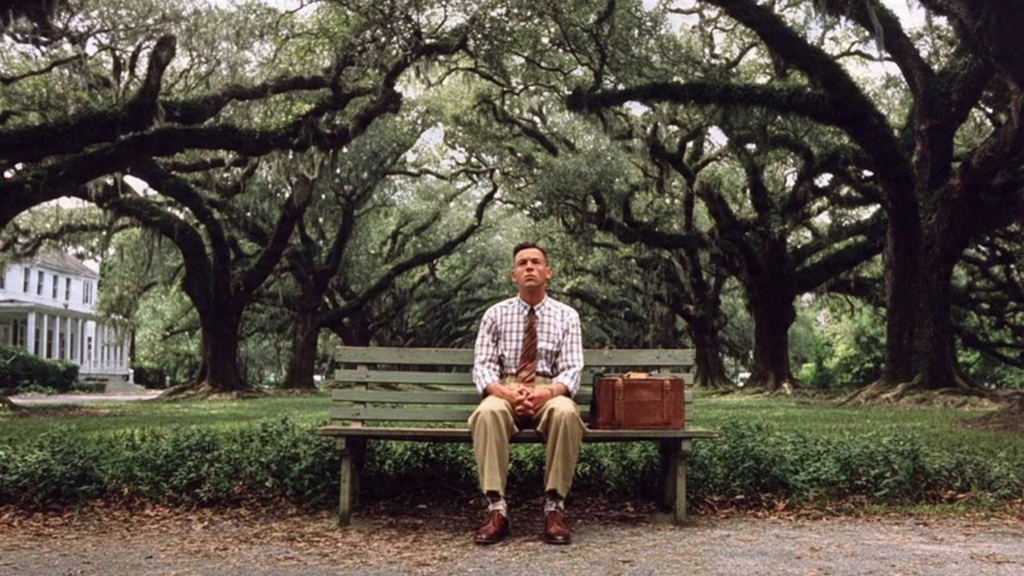
Forrest Gump feels simple on the surface, yet carries layers of innocence, loss, and resilience. Each return reveals a different emotional center.

The Shawshank Redemption unfolds slowly, allowing patience to become part of the experience. Viewers do not return for suspense. They return for reassurance.

These films reward presence rather than attention.

Comfort in Familiar Structure

Rewatchable movies often follow a structure that feels safe. The beginning welcomes. The middle unfolds predictably. The ending satisfies.

Back to the Future moves with rhythm. Every beat feels intentional. Knowing the outcome does not reduce joy.

Home Alone remains playful because its structure is clear. Chaos arrives. Ingenuity follows. Warmth returns.

Familiarity removes tension. The viewer relaxes into the story rather than chasing it.

Characters That Feel Like Friends

Repeat viewing builds relationship. Characters become known rather than observed.

In The Princess Bride, Westley’s sincerity and Inigo’s devotion feel like personalities rather than performances.

In Clueless, Cher’s voice becomes comforting. Her growth feels personal.

These figures feel present. Their reactions become anticipated. Watching them becomes visiting.

The film becomes a social space.

Dialogue That Becomes Memory

Movies watched on repeat often contain lines that linger.

“Life is like a box of chocolates.”

“You’re killing me, Smalls.”

“As you wish.”

These phrases leave the screen and enter conversation. They become shorthand for emotion.

Language turns into memory. Quoting becomes remembering.

The movie continues outside itself.

Animation That Never Ages

Animated films are among the most replayed. Toy Story remains endlessly watchable because it speaks to change and belonging.

Children see adventure. Adults feel transition.

Finding Nemo balances fear with hope. Its journey remains comforting.

Animation works because it carries emotion without realism. It feels timeless.

The story does not belong to an age.

It belongs to experience.

Music That Brings It Back

Soundtracks often pull people back into films. A few notes from Titanic or The Lion King reopen entire scenes.

Music becomes emotional memory. It bypasses logic.

Hearing a theme feels like returning.

The movie lives in sound.

The Role of Home Viewing

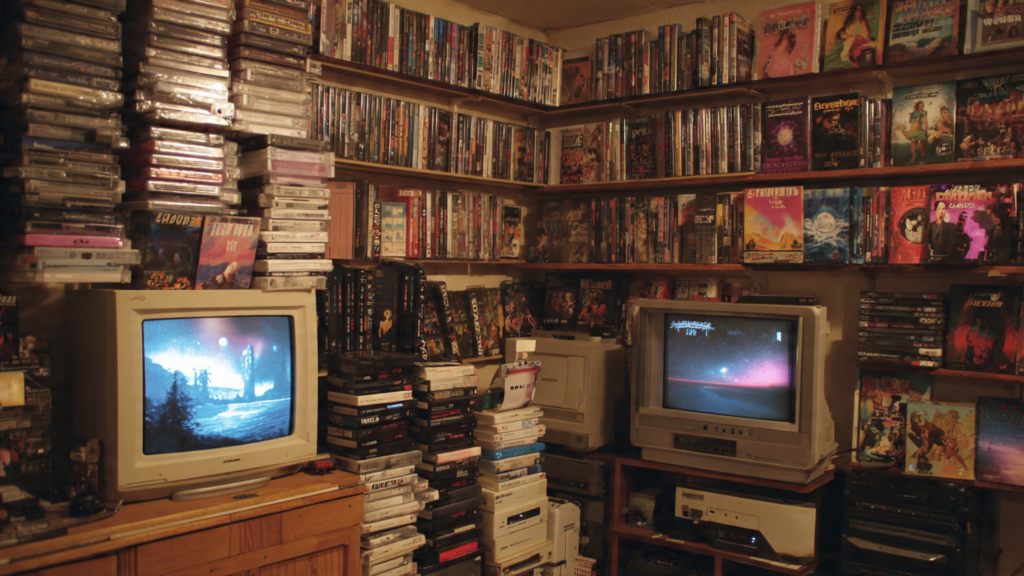
Rewatch culture grew with home media. VHS and DVD allowed ownership rather than access.

Movies became part of routine. They played during dinners. They ran while homework was done.

They were not events.

They were environment.

Cinema moved into daily life.

Films That Feel Different Each Time

Some movies change with the viewer.

Good Will Hunting feels different at sixteen than at thirty.

Groundhog Day reveals new meaning with each life stage.

The film remains unchanged. The viewer does not.

Rewatching becomes reflection.

Why Repetition Feels Good

Rewatching reduces uncertainty. The brain relaxes.

Emotion becomes familiar. Stress lowers.

The story becomes predictable in the best way.

It becomes safe.

These movies are returned to during change, stress, and quiet.

They become emotional shelter.

Cultural Touchstones

Movies watched on repeat often become shared language.

The Big Lebowski becomes philosophy.
Mean Girls becomes shorthand.

Harry Potter becomes belonging.

These films unify.

They give people common reference.

They become cultural anchors.

The Films That Lived With Us

For many, repeat-viewing movies include:

Forrest Gump
The Shawshank Redemption
Back to the Future
Home Alone
The Princess Bride
Toy Story
Clueless
The Lion King
Harry Potter and the Sorcerer’s Stone

These are not just favorites.

They are familiar spaces.

They are places the mind returns.

How Rewatching Changes Relationship

The first viewing is about discovery.

The second is about recognition.

Later viewings become companionship.

The film stops asking.

It starts listening.

The viewer brings new emotion.

The story holds it.

Movies as Emotional Furniture

Repeated films become part of inner space.

They occupy emotional shelves.

They sit beside memory.

They feel present even when not playing.

They are not content.

They are environment.

The Quiet Power of Return

Movies we watch on repeat are not always the best films ever made.

They are the ones that fit.

They meet us where we are.

They do not demand.

They offer.

They become part of routine.

They become part of life.
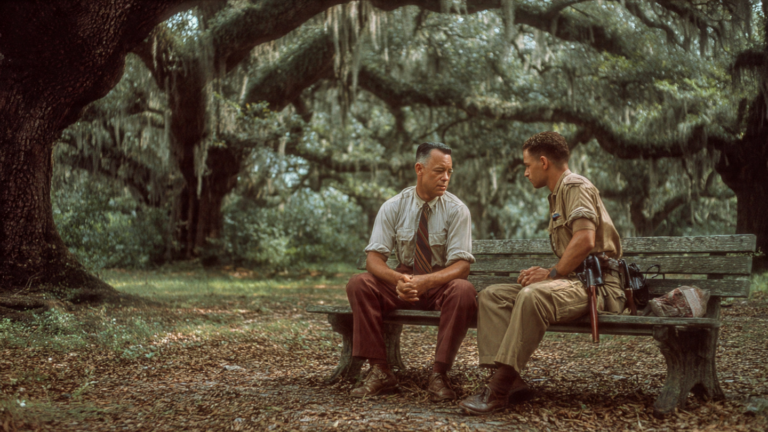

Every generation carries a small collection of films that feel personal. These are not just popular titles or box office successes. They are stories that arrive at the right moment, speaking to how people see themselves, their futures, and the world around them.

For many viewers, these movies were watched during formative years. They played in bedrooms, classrooms, and living rooms. Lines were repeated, scenes replayed, and characters quietly absorbed. Over time, these films became reference points for emotion, identity, and imagination.

They did not just entertain. They shaped how stories were felt.

AI Insight:
As people revisit the films that defined their youth, these stories often feel less like nostalgia and more like emotional landmarks that quietly influenced everyday thinking and habits.

Stories That Arrived at the Right Moment

Timing is everything. The Matrix appeared at the edge of a digital age, questioning reality just as technology began reshaping daily life. Its language of choice and control felt immediate, not abstract.

Harry Potter and the Sorcerer’s Stone arrived when many children were searching for belonging. Hogwarts became a second home, and growing up alongside the characters felt natural.

These films did not predict the future. They met audiences where they already were.

Characters That Felt Like Mirrors

In Good Will Hunting, Matt Damon’s Will struggles with potential and self-doubt. For many viewers, his conflict felt familiar. Intelligence was not enough. Fear mattered.

Mean Girls turned adolescence into mythology. Lindsay Lohan’s Cady navigated identity, belonging, and power. The film’s humor masked real emotional terrain.

These characters felt close because they reflected inner experiences rather than fantasy. They became companions rather than icons.

Worlds That Expanded Imagination

Some films shaped a generation by widening what felt possible. The Lord of the Rings transformed fantasy into lived reality. Middle-earth felt complete, textured, and emotionally grounded.

Star Wars: The Phantom Menace reintroduced a universe that many children encountered for the first time. Lightsabers, droids, and distant planets became part of play and language.

These worlds did not replace reality. They enriched it. Imagination became a shared space.

Romance That Felt Honest

Romantic films often shape emotional expectations. Titanic introduced love as both beautiful and costly. Rose’s choice became as important as the romance itself.

Before Sunrise showed intimacy through conversation. Ethan Hawke and Julie Delpy walked and talked, letting connection grow without spectacle.

These stories taught that love was not only dramatic. It could be quiet, uncertain, and human.

Romance became experience rather than fantasy.

Humor That Became Language

Comedies often leave the deepest cultural imprint. The Big Lebowski turned everyday confusion into philosophy. The Dude became a type rather than a character.

Shrek reshaped animated humor, blending fairy tales with self-awareness. Children laughed at the surface. Adults heard the subtext.

Lines became shorthand. Humor became identity. Laughter became shared memory.

Animation That Spoke Across Ages

Toy Story changed how animation was perceived. Toys worried about belonging, change, and relevance. Children saw adventure. Adults felt transition.

The Lion King explored loss and responsibility through myth. Its music and imagery became emotional anchors.

These films did not speak down. They spoke across. Families shared meaning without realizing it.

Animation became emotional language.

Stories About Becoming

Many defining films focused on transition. The Breakfast Club captured teenage identity long before social media. Its honesty still resonates.

Spider-Man reframed heroism as responsibility. Peter Parker’s struggle felt personal. Power came with cost.

These stories were not about winning. They were about becoming.

They taught that growth was complex.

Why These Films Last

What unites these movies is emotional clarity. They did not chase perfection. They explored uncertainty.

They trusted silence. They allowed vulnerability. They left space.

A film that leaves room becomes a companion rather than a product.

These stories invite return.

How Rewatching Changes Them

Over time, these films feel different. Harry Potter becomes less about magic and more about belonging.

The Matrix becomes less about action and more about choice.

Toy Story becomes less about play and more about change.

The movies remain the same.

The viewer changes.

The Home Viewing Effect

Many of these films lived on tapes and discs. They played during quiet nights and shared afternoons.

They became routine. They became comfort.

Repetition created intimacy. Stories settled into daily life.

They became part of growing up.

Cultural Memory in Motion

These films shaped how stories felt. They influenced pacing, tone, and emotional honesty.

Modern cinema still echoes them. Ensemble casts, serialized worlds, and emotionally layered animation trace back.

They taught audiences how to feel.

They taught filmmakers how to speak.

The Movies That Became Us

For many, generation-defining films include The Matrix, Harry Potter, The Lord of the Rings, Titanic, Good Will Hunting, Mean Girls, Toy Story, and Spider-Man.

These are not just titles.

They are evenings remembered.

They are lines quoted.

They are emotions revisited.

They shaped how stories live inside people.

They became part of who viewers were becoming.

Some movies age quickly. Their fashion, dialogue, or pacing anchor them to a specific moment. Others seem untouched by time. They feel just as relevant decades later, not because they predict the future, but because they speak to something lasting about people.

The 1990s produced many films that still feel present. They continue to resonate across generations, not as nostalgia pieces, but as living stories. These movies do not belong to a decade. They belong to memory.

They endure because they were built on emotion rather than trend.

AI Insight:
As people revisit films from the 1990s, many discover that these stories feel less dated than expected, revealing how deeply they captured universal habits, fears, and hopes.

Stories Rooted in Human Experience

Timeless films begin with emotion rather than spectacle. Forrest Gump moves through history, yet remains grounded in innocence and resilience. Its power does not come from events, but from how one person feels his way through them.

The Shawshank Redemption unfolds slowly, trusting patience. It becomes less about prison and more about hope. Viewers return not for surprise, but for comfort.

These films endure because they speak to persistence, loss, and quiet courage. Time does not erode those ideas.

Characters That Feel Like People

Many 90s films created characters who felt lived in rather than performed. In Good Will Hunting, Matt Damon’s Will carries insecurity behind brilliance. Robin Williams’ therapist carries pain behind calm.

Their conversations do not feel scripted. They feel overheard. The film’s power lives in vulnerability, not resolution.

In Before Sunrise, Ethan Hawke and Julie Delpy simply walk and talk. Their connection grows through presence, not plot. The story feels as natural now as it did then.

These characters age with the viewer. They feel different at different stages of life.

Romance Without Illusion

Romantic films from the 90s often avoided fantasy. Titanic wrapped love in spectacle, yet grounded it in choice and consequence. Rose’s journey remains about identity as much as romance.

Jerry Maguire framed connection as growth. Tom Cruise’s character does not win through charm, but through change.

These stories endure because they do not promise perfection. They reflect vulnerability. Love feels human rather than idealized.

Romance becomes experience, not escape.

Humor That Grows With Time

Comedy often dates fastest, yet some 90s comedies feel remarkably current. The Big Lebowski remains endlessly quotable because its humor is character-based.

Jeff Bridges’ Dude is not tied to trend. He is a type. His confusion, resistance, and calm remain relatable.

Groundhog Day uses repetition to explore change. Its humor becomes philosophy. Each rewatch reveals a new layer.

These films last because they are about behavior, not fashion.

Sci-Fi That Questions Reality

Science fiction from the 90s often asked human questions. The Matrix explored identity and control through action, but its core remains about choice.

Even as technology advances, its questions remain relevant. What is real? Who decides? What does freedom feel like?

Jurassic Park was about wonder, but also about responsibility. Its dinosaurs still impress, but its warning still resonates.

These films endure because they speak to uncertainty rather than novelty.

Animation That Spoke to Everyone

Toy Story changed animation by treating toys as emotional beings. Its story about belonging and change remains universal.

The Lion King framed loss and identity through myth. Children watched adventure. Adults felt grief and growth.

These films do not age because they were never only for children. They spoke across age.

Animation became memory rather than genre.

Dialogue That Feels Unscripted

In Pulp Fiction, conversation becomes narrative. Ordinary talk feels electric. The film does not rush. It listens.

Tarantino’s world feels alive because people speak like people. They pause, digress, and argue.

The movie does not age because its rhythm feels human. It does not chase trend. It observes behavior.

Language becomes character.

Why These Films Still Work

Timelessness comes from emotional clarity. These movies understand what lasts.

They explore belonging, fear, hope, and identity. They trust stillness. They allow space.

They do not over-explain. They invite return.

A film that leaves room becomes a companion rather than a product.

How Rewatching Changes Them

On a second viewing, Forrest Gump feels less about history and more about kindness.

The Shawshank Redemption becomes less about escape and more about endurance.

Before Sunrise becomes less about romance and more about presence.

The films grow because the viewer grows.

They do not change.

The relationship does.

The Role of Home Viewing

The 90s coincided with the rise of home viewing. These movies lived on tapes and discs.

They played during quiet nights and shared afternoons. They became part of routine.

Timelessness was built through repetition. The stories settled into daily life.

They became familiar without becoming empty.

Cultural Memory in Motion

These films shaped how stories felt. They influenced pacing, tone, and emotional honesty.

Modern cinema still echoes them. The balance between spectacle and intimacy remains their legacy.

They taught audiences how to feel.

They taught filmmakers how to speak.

The Movies That Remain

For many, timeless 90s films include Forrest Gump, The Shawshank Redemption, Titanic, The Matrix, Good Will Hunting, Before Sunrise, The Lion King, and Toy Story.

These are not just titles.

They are evenings remembered.

They are lines quoted.

They are emotions revisited.

They remain because they were built on truth.

They do not belong to a decade.

They belong to people.


The early 2000s felt like a bridge between eras. DVDs replaced VHS, theaters grew louder and brighter, and home screens became gathering places. Movies were no longer just events; they became routines, replayed on weekends, quoted in classrooms, and shared across generations.

These films did more than entertain. They shaped habits, humor, and imagination. Whether watched in packed theaters or on worn discs at home, they became common reference points, turning stories into shared memory.

The era did not just produce hits. It produced moments.

AI Insight:
As people revisit early 2000s films today, these stories often feel less like nostalgia and more like emotional landmarks that quietly shaped how everyday entertainment is experienced.

Blockbusters That Became Ritual

The early 2000s were defined by films that felt unavoidable. Harry Potter and the Sorcerer’s Stone turned bookstores into theaters and classrooms into wizard halls. Children grew alongside the characters, and adults followed willingly.

The Lord of the Rings trilogy transformed fantasy into an event. Middle-earth became a shared destination, and each release felt like a holiday.

These movies were not watched once. They were revisited, quoted, and lived with. They became ritual rather than release.

Action That Redefined Cool

Action cinema found a new identity in this period. The Matrix Reloaded and Revolutions extended a world that felt philosophical and stylish at once. Black coats, slow motion, and digital choreography entered cultural language.

Spider-Man brought comic heroes into everyday life. Tobey Maguire’s Peter Parker felt human, awkward, and relatable.

Action became less about muscle and more about identity. Spectacle learned to feel personal.

Comedies That Entered Daily Language

Comedies from this era did not fade into memory. They became vocabulary. Mean Girls turned high school into mythology, with lines still spoken years later.

Shrek reshaped animation humor, layering jokes for children and adults alike. It mocked fairy tales while becoming one.

These films lived beyond their runtime. They entered conversation, classrooms, and homes, becoming social shorthand.

Romance That Felt Contemporary

Romantic films shifted tone in the early 2000s. Love Actually embraced ensemble storytelling, turning connection into collage.

The Notebook reintroduced sincerity, letting emotion unfold without irony. Ryan Gosling and Rachel McAdams became symbols of devotion.

These movies did not escape reality. They reframed it. Love felt present, imperfect, and immediate.

Romance became something lived rather than idealized.

Animation That Spoke Across Ages

Pixar continued redefining animation with Finding Nemo and Monsters, Inc. These stories carried emotional depth without losing playfulness.

Themes of loss, fear, and belonging were expressed through fish and monsters. Families watched together and felt different layers.

Animation stopped being age-specific. It became a shared language.

These films did not talk down. They trusted everyone in the room.

Teen Movies That Felt Like Mirrors

The era produced stories that reflected growing up in real time. A Walk to Remember spoke to vulnerability and transformation.

Bring It On captured competition, identity, and teamwork with humor and sincerity.

These films lived in bedrooms and dorm rooms. They were replayed during late nights and early mornings.

They felt like diaries rather than productions.

Sci-Fi That Felt Intimate

Science fiction became emotional in the early 2000s. Minority Report explored choice and consequence in a world shaped by technology.

Donnie Darko turned confusion into atmosphere, letting uncertainty become the story.

These films did not only imagine the future. They questioned the present.

Sci-fi became reflective rather than distant.

Why These Movies Stayed

What united these films was accessibility. They were easy to enter, yet rich enough to revisit.

They lived on DVDs stacked near televisions. They played during holidays, sleepovers, and quiet evenings.

They became part of routine.

These movies were not only watched.

They were kept.

How Rewatching Changed Them

Over time, these films grew with their audiences. Harry Potter became less about magic and more about belonging.

Spider-Man became less about heroism and more about responsibility.

Mean Girls became less about humor and more about identity.

The movies did not change.

The viewer did.

The Home Screen Era

The early 2000s marked a shift toward home-centered viewing. Movies became companions rather than events.

They played in the background while homework was done. They ran during family dinners.

They became part of daily rhythm.

Cinema entered routine.

Cultural Memory in Motion

These films shaped how stories felt. They defined pacing, humor, and emotional tone for a generation.

Their structure still echoes in modern cinema. Ensemble casts, serialized storytelling, and emotional animation all trace back.

They taught audiences how to watch.

They taught filmmakers how to speak.

The Movies That Lived With Us

For many, the early 2000s meant Harry Potter, The Lord of the Rings, Spider-Man, Shrek, Mean Girls, Finding Nemo, The Matrix, and Love Actually.

These were not just titles.

They were nights in living rooms.

They were conversations at school.

They were comfort during change.

They became part of growing up.

A Decade That Still Plays

The early 2000s did not disappear. They loop on streaming platforms and shelves.

They resurface during weekends.

They return during quiet moments.

They feel familiar, not outdated.

They remain because they were built for return.

They were not just movies.

They were companions.


The 1990s were a turning point for modern cinema. Technology was changing, audiences were evolving, and storytelling began to stretch beyond traditional formulas. Movies no longer felt confined to one tone or genre. They could be intimate and massive, playful and unsettling, all within the same decade.

What defined the era was not a single style, but a sense of possibility. Films began speaking directly to identity, imagination, and cultural change. Many of these stories still feel present today because they captured something lasting about how people saw themselves and the world.

The 90s did not just produce popular movies. It produced memory.

AI Insight:
As people revisit films from the 1990s, these stories often feel more personal over time, revealing how deeply they shaped habits, expectations, and emotional language in everyday viewing.

When Blockbusters Learned to Feel Human

The decade redefined what a blockbuster could be. Jurassic Park brought wonder and fear into the same frame, showing dinosaurs with realism while grounding the story in awe and vulnerability.

Titanic combined epic scale with intimate emotion, turning a historical event into a personal journey. Leonardo DiCaprio and Kate Winslet became faces of an era, not because of spectacle alone, but because the film trusted feeling.

These movies proved that size did not have to replace heart. Spectacle could carry intimacy rather than drown it.

Stories That Spoke to a Generation

Some films defined the 90s by reflecting the inner lives of their audiences. Fight Club questioned identity and modern disconnection, becoming a mirror for cultural restlessness.

Clueless captured youth and language in motion, turning everyday life into style and voice. Alicia Silverstone’s Cher became iconic not through drama, but through relatability.

These stories did not escape reality. They reframed it. They showed how movies could speak the same emotional language as their viewers.

The Rise of Personal Storytelling

Independent cinema found a broader voice in the 90s. Pulp Fiction reshaped narrative structure, proving that time itself could be playful.

Tarantino’s dialogue-driven worlds made conversation cinematic. The film felt unpredictable, yet deeply controlled.

At the same time, Good Will Hunting used quiet emotion to explore potential and self-doubt. Matt Damon and Robin Williams turned vulnerability into strength.

The decade made room for both chaos and tenderness.

Animation That Grew Up

Animation changed its role in the 90s. The Lion King and Toy Story spoke to children while resonating with adults.

Pixar’s debut did not treat animation as lesser. It treated it as emotional storytelling.

Themes of identity, loss, and purpose became accessible without losing depth. Families watched together and found meaning at different levels.

Animation became memory rather than genre.

Sci-Fi That Felt Philosophical

The Matrix arrived at the edge of the decade and redefined how stories about reality could feel. Keanu Reeves embodied uncertainty in a world that questioned perception itself.

The film blended action with existential inquiry, influencing style, language, and imagination.

It was not just about technology. It was about control, choice, and awakening.

Science fiction became a space for reflection rather than escape.

Romance That Felt Earned

The 90s reshaped cinematic romance. Before Sunrise showed that connection could unfold in conversation.

Ethan Hawke and Julie Delpy walked and talked through Vienna, letting intimacy grow through time.

The film did not rush emotion. It trusted presence.

Love became something observed rather than announced.

Comedy That Became Culture

Comedies like Home Alone and The Big Lebowski became cultural shorthand.

Lines turned into memory. Characters became archetypes.

Humor shifted from slapstick toward identity.

Laughter became language.

These films did not fade because they became part of everyday reference.

Why These Movies Still Matter

What made 90s films enduring was their emotional honesty.

They did not chase perfection.

They explored uncertainty.

They allowed space for vulnerability.

They trusted audiences.

These movies still feel present because they were not built only for their moment.

They were built for memory.

How Rewatching Changes Them

On a second viewing, these films feel different.

Titanic becomes less about spectacle and more about choice.

Fight Club becomes less about shock and more about identity.

Toy Story becomes less about play and more about belonging.

The movies grow as the viewer grows.

They do not change.

The relationship does.

The 90s as a Creative Bridge

The decade stood between analog and digital, between tradition and reinvention.

Stories reflected that tension.

They were grounded yet expansive.

Personal yet global.

They showed that cinema could evolve without losing humanity.

That balance defined the era.

The Legacy That Still Lives

Today’s films still echo the 90s.

The emotional structure of modern blockbusters.

The conversational tone of indie cinema.

The layered approach to animation.

The philosophical edge of sci-fi.

These roots remain visible.

The 90s did not end.

They settled into how stories are told.

The Movies That Became Memory

Every generation has films that become part of how it remembers itself.

For many, the 90s were shaped by Forrest Gump, The Matrix, Titanic, Jurassic Park, Fight Club, and Toy Story.

These were not just movies.

They were moments.

They played in living rooms, on rented tapes, on late-night televisions.

They became part of growing up.

They became part of life.
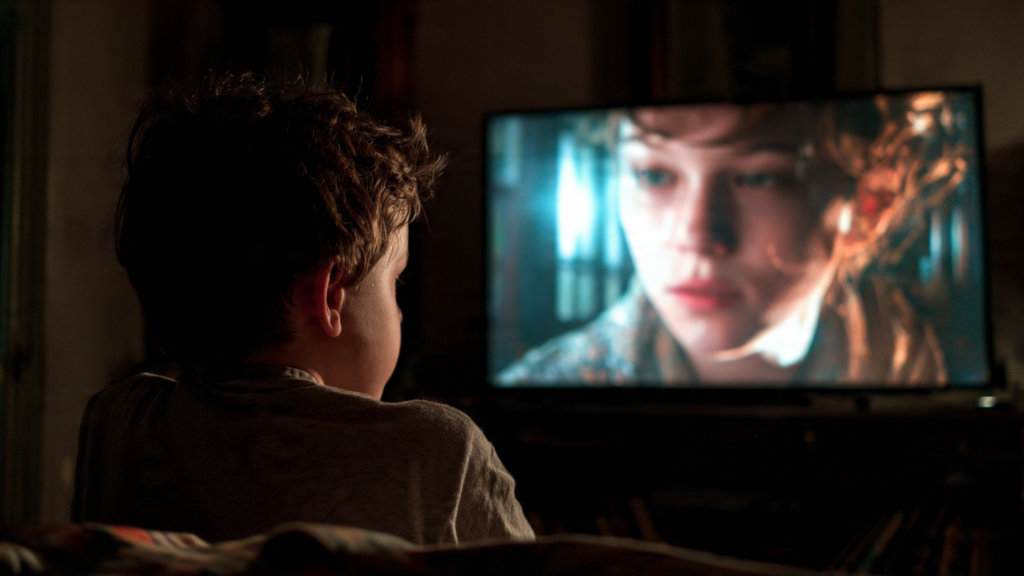

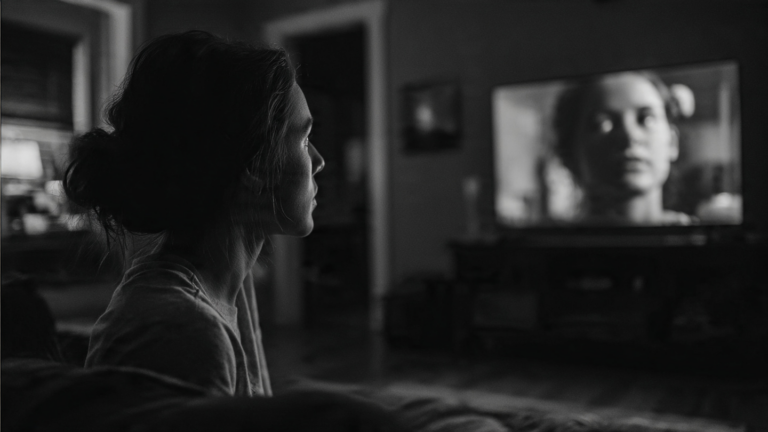
Some scenes feel ordinary while they unfold, yet remain in memory long after the movie ends. They are not always the loudest or most dramatic moments. Often, they are quiet, brief, and easy to overlook. Still, something about them lingers.

What separates these scenes is not spectacle, but intention. They are built to speak beneath dialogue, using timing, space, and restraint. On a first watch, they feel natural. On return, they feel deliberate.

The scene has not changed. The viewer has.

AI Insight:
As people revisit familiar films, certain scenes begin to stand apart, revealing how subtle choices were used to create emotional meaning beyond plot.

When Silence Becomes the Message

In Lost in Translation, Bill Murray and Scarlett Johansson share moments where nothing is said. They sit, walk, or simply exist in the same space.

On a first viewing, these pauses feel atmospheric. On return, they become the heart of the film. The story is not about romance, but recognition.

Silence becomes language. The absence of words carries connection more honestly than dialogue could.

A Glance That Reframes Everything

In Inception, Leonardo DiCaprio’s Cobb briefly looks toward empty space when thinking of his wife. The moment lasts less than a second.

Initially, it reads as grief. On rewatch, it feels like presence. Mal exists in the room long before she appears.

That glance changes the film from a heist into a haunting. Memory becomes the antagonist without altering a scene.

Framing That Tells a Hidden Story

In Titanic, James Cameron often places Rose in doorways or at edges. She stands between rooms, between decks, between identities.

On a first watch, these shots feel romantic. On return, they feel symbolic.

Rose is always in transition. Architecture becomes narrative. The scene is no longer about love alone, but escape.

Movement That Carries Power

In The Dark Knight, Heath Ledger’s Joker rarely stays still. While others speak, he sways, leans, and shifts in the background.

At first, it feels like performance energy. Later, it feels like dominance. He controls the room without speaking.

Background motion becomes threat. The scene changes from conversation to danger through movement alone.

An Object That Waits

In The Shawshank Redemption, Andy Dufresne’s rock hammer rests quietly in his cell. It feels like part of the scenery.

Later, it becomes destiny. On rewatch, every appearance feels intentional.

The object becomes a timeline. Each glance marks progress the viewer did not yet understand. Patience becomes strategy.

Sound That Creates Presence

In Jaws, the theme begins before the shark appears. On first viewing, it builds tension.

On return, it becomes identity. The shark exists through sound even when unseen.

Fear becomes invisible. Absence becomes character. The scene feels different because danger is heard, not shown.

Repetition That Forms Meaning

In The Matrix, Neo repeatedly fails before succeeding. Doors close. Jumps fall short. Attempts repeat.

Initially, this feels like pacing. On rewatch, it becomes structure.

The repetition is the message. Change requires persistence. The scene becomes about becoming, not action.

A Line That Passes Too Quickly

In The Sixth Sense, Bruce Willis casually says he does not speak to many people anymore. The line arrives without emphasis.

On rewatch, it becomes revelation. The truth was spoken plainly long before it was understood.

What felt like character detail becomes the key. The scene changes without changing a word.

Reflection as Narrative

In Black Swan, Natalie Portman’s reflections move subtly. A mirror lags. A shadow shifts.

At first, it feels stylistic. Later, it feels like identity splitting.

The mirror becomes story. The scene speaks without dialogue, turning image into meaning.

Why These Scenes Feel Different

These scenes feel different because they do not explain themselves. They trust the viewer.

They do not instruct emotion. They allow it to surface.

They exist between plot points, where urgency cannot reach. Meaning is placed where only time can unlock it.

How Rewatching Changes the Experience

On a second viewing, the plot is known. Attention shifts from outcome to detail.

A pause gains weight. A look becomes intentional. Backgrounds begin to speak.

The scene feels new without changing. What changes is perception.

The Scene Beneath the Scene

Every great film contains two stories. One unfolds through events. The other lives in glances, sound, space, and restraint.

Some viewers will never notice the second. Others will find it years later.

Both experiences are complete.

What makes this scene different is not what happens.

It is what it leaves behind.


Some of the most powerful moments in movies are the ones that almost go unnoticed. They pass in a glance, a sound, or a small object resting in the background. Nothing announces their importance, yet they quietly shape how the story is remembered.

These details do not exist to be spotted immediately. They are placed where urgency cannot reach, waiting for time and attention to unlock them. On a first watch, they feel natural. On return, they begin to feel intentional.

The film has not changed. The meaning has.

AI Insight:
As rewatching becomes part of everyday viewing, tiny details often turn into emotional anchors, revealing how meaning was placed where it could only be found later.

A Glance That Rewrites a Character

In Inception, Leonardo DiCaprio’s Cobb briefly looks toward empty space when thinking of his wife. The moment lasts less than a second and feels like simple grief.

On a second watch, it feels like presence. Mal exists in the room long before she appears. That glance shifts the film from a heist into a haunting.

A single look transforms memory into the true antagonist without changing a scene.

Silence That Carries the Story

In Lost in Translation, Bill Murray and Scarlett Johansson share long stretches of quiet. Their connection is built through pauses rather than confession.

On first viewing, the silence feels atmospheric. On return, it becomes essential. The film is not about romance, but recognition.

Those quiet moments carry the story’s core, allowing emotion to surface without instruction.

A Line That Passes Too Fast

In The Sixth Sense, Bruce Willis casually says he does not speak to many people anymore. The line arrives without emphasis.

On rewatch, it becomes revelation. The truth was spoken plainly, long before it was understood.

What felt like character detail becomes the key to everything. The movie trusted time to deliver meaning.

An Object That Waits

In The Shawshank Redemption, Andy Dufresne’s rock hammer rests quietly in his cell. It feels decorative on a first watch.

Later, it becomes destiny. On return, every appearance feels intentional. Each glance marks progress the viewer did not yet understand.

Patience becomes strategy. A small tool becomes the story’s spine.

Framing That Signals Change

In Titanic, James Cameron repeatedly frames Rose in doorways and thresholds. She stands between rooms, between decks, between lives.

At first, these shots feel romantic. On return, they feel symbolic. Rose is always in transition.

Architecture becomes narrative. The film becomes about escape as much as love.

Sound That Becomes Presence

In Jaws, the theme appears before the shark. Initially, it builds tension and prepares the audience.

On rewatch, it becomes identity. The shark exists through sound even when unseen.

Fear becomes invisible. Absence becomes character. The movie teaches threat without image.

Movement in the Background

In The Dark Knight, Heath Ledger’s Joker often moves while others speak. He sways, leans, or shifts posture behind them.

At first, it feels like performance energy. Later, it feels like dominance. He is never still.

Background motion becomes power. Dialogue turns into threat without a word spoken.

Repetition That Forms Meaning

In The Matrix, Neo repeatedly fails before succeeding. Doors close. Jumps fall short. Attempts repeat.

On a first watch, this feels like pacing. On return, it becomes structure.

The repetition is the message. Change requires persistence. Meaning emerges through rhythm.

Reflections That Speak

In Black Swan, Natalie Portman’s reflections move subtly. A mirror lags. A shadow shifts.

Initially, it feels stylistic. Later, it feels like identity splitting.

The mirror becomes narrative. The story changes without dialogue.

Why These Details Matter

Tiny details change how movies are remembered. They move meaning from surface to structure.

Viewers stop consuming and begin interpreting. The story becomes layered.

Rewatching becomes discovery. Familiar scenes feel new.

The movie grows without adding anything.

How Time Becomes Part of Storytelling

Directors place these moments where urgency cannot reach. They exist between plot points.

Time unlocks them. The story becomes a conversation rather than a delivery.

Each return reveals another voice inside the same frame.

The Film Beneath the Film

Every great movie contains two narratives. One unfolds through events. The other lives in glances, objects, sound, and space.

Some viewers will never notice the second. Others will find it years later.

Both experiences are complete.

What changes is not the movie.

What changes is how it is seen.


Some scenes pass in seconds, barely registering amid dialogue and action. They do not arrive with music swelling or characters announcing their importance. Yet long after the movie ends, these brief moments linger in memory, quietly shaping how the story is felt.

Their power comes from restraint. They speak through timing, expression, and absence rather than explanation. On a first watch, they feel natural. On return, they begin to feel intentional.

The scene has not changed. The viewer has.

AI Insight:
As people revisit familiar films, small moments often become emotional anchors, revealing how meaning was placed where urgency could not reach.

A Glance That Rewrites a Story

In Inception, Leonardo DiCaprio’s Cobb briefly looks toward empty space when thinking of his wife. The moment lasts less than a second.

On a first watch, it feels like grief. On return, it feels like presence. Mal exists in the room long before she appears.

That glance shifts the film from a heist to a haunting. Memory becomes the antagonist. The story changes without changing a scene.

Silence That Carries Truth

In Lost in Translation, Bill Murray and Scarlett Johansson share long stretches of quiet. Their connection is built not through confession, but through presence.

On first viewing, the pauses feel atmospheric. On return, they feel essential.

Silence becomes language. The film is not about romance. It is about recognition. The quiet moments carry the story’s core.

A Line That Passes Too Fast

In The Sixth Sense, Bruce Willis casually says he does not speak to many people anymore. The line arrives without emphasis.

On rewatch, it becomes revelation. The truth was spoken plainly.

What once felt like character detail becomes the key to everything. The movie trusted time to deliver meaning.

A Doorway That Signals Change

In Titanic, Rose is repeatedly framed in doorways and thresholds. She stands between rooms, between decks, between identities.

At first, these shots feel romantic. On return, they feel symbolic.

Rose is always in transition. The film becomes about escape as much as love. Architecture becomes narrative.

Movement in the Background

In The Dark Knight, Heath Ledger’s Joker often moves while others speak. He sways, leans, or adjusts posture in the background.

Initially, it feels like performance energy. Later, it feels like dominance.

The background motion becomes power. He is never still. The scene shifts from dialogue to threat.

An Object That Waits

In The Shawshank Redemption, Andy’s rock hammer rests quietly in his cell. It feels decorative.

Later, it becomes destiny. On rewatch, every appearance feels intentional.

The object becomes a timeline. Each glance marks progress the viewer did not yet understand. Patience becomes strategy.

Sound That Becomes Presence

In Jaws, the theme appears before the shark. At first, it builds tension.

On return, it becomes identity. The shark exists through sound.

Fear becomes invisible. The movie teaches threat without image. Absence becomes character.

A Reflection That Speaks

In Black Swan, Natalie Portman’s reflections move subtly. A mirror lags. A shadow shifts.

Initially, it feels stylistic. Later, it feels like identity splitting.

The mirror becomes narrative. The story changes without dialogue.

Repetition That Forms Meaning

In The Matrix, Neo repeatedly fails before succeeding. Doors close. Jumps fall short. Attempts repeat.

At first, this feels like pacing. On return, it becomes structure.

The repetition is the message. Change requires persistence. Meaning emerges through rhythm.

Why These Moments Matter

These moments change how movies are remembered. They move meaning from surface to structure.

Viewers stop consuming and begin interpreting. The story becomes layered.

Rewatching becomes discovery. Familiar scenes feel new.

The movie grows without adding anything.

How Time Becomes Part of Storytelling

Directors place these moments where urgency cannot reach. They exist between plot points.

Time unlocks them. The story becomes a conversation rather than a delivery.

Each return reveals another voice inside the same frame.

The Story Beneath the Scene

Every great film contains two narratives. One unfolds through events. The other lives in glances, objects, sound, and space.

Some viewers will never notice the second. Others will find it years later.

Both experiences are complete.

What changes is not the movie.

What changes is how it is seen.


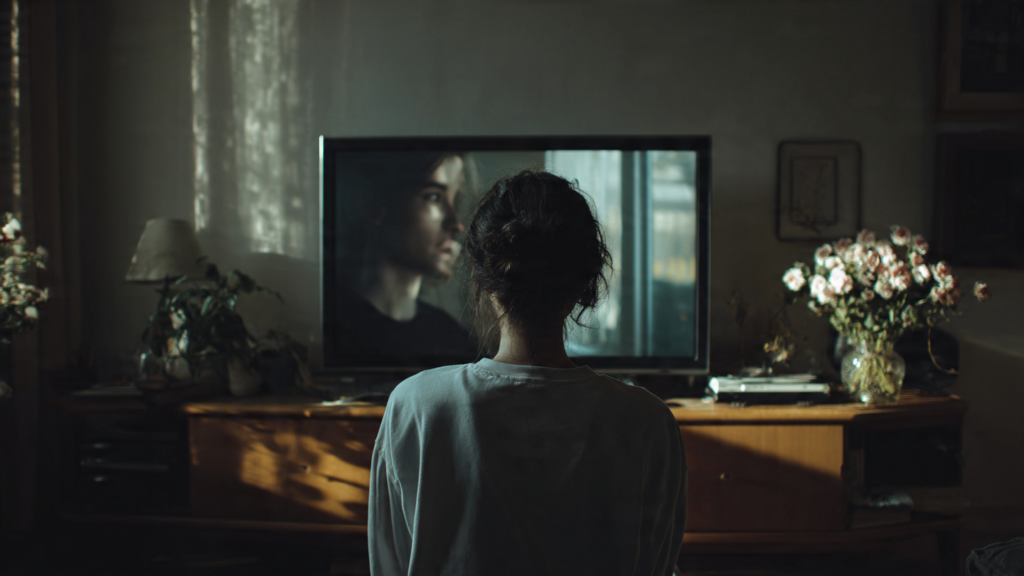
Most movies are designed to be understood in motion. On a first viewing, attention stays with dialogue, action, and outcome. The mind follows what happens next, rarely pausing to examine what surrounds the moment. Yet many films quietly place meaning in places the eye passes over.

These details are not secrets meant to be solved immediately. They are part of how stories speak beneath the surface. They live in glances, framing, sound, and background design. Their purpose is not to stand out, but to remain.

The movie does not hide them. It trusts time to reveal them.

AI Insight:
As rewatching becomes part of everyday viewing habits, familiar films often reveal that meaning was always present, simply waiting for attention to slow down.

Performances That Carry the Truth Early

In The Sixth Sense, Bruce Willis plays his role with unusual restraint. On a first watch, his quiet presence feels like personality.

On a return, every distance becomes absence. He rarely touches objects. Other characters seldom respond directly.

The performance was always honest. The viewer simply lacked the context to read it.

Glances That Redefine Relationships

In Inception, Leonardo DiCaprio’s Cobb often looks toward empty space when thinking of his wife. On a first viewing, it reads as grief.

On rewatch, it feels like presence. Mal exists in the room long before she appears.

A single glance transforms the film from a heist into a haunted memory. The story changes without changing a scene.

Objects That Track Hidden Progress

In The Shawshank Redemption, Andy Dufresne’s rock hammer rests quietly in his cell. It feels like part of the scenery.

Later, it becomes everything. On return, every appearance feels intentional.

The object becomes a timeline. Each glance marks progress the viewer did not yet understand. Patience becomes strategy.

Framing That Predicts Change

In Titanic, James Cameron repeatedly places Rose in thresholds. She stands between rooms, between decks, between lives.

At first, these moments feel romantic. On rewatch, they become symbolic.

Rose is always in transition. The film becomes about escape as much as love. The framing was always telling that story.

Backgrounds That Foreshadow Collapse

In Jurassic Park, John Hammond speaks warmly about wonder while broken systems flicker behind him. Cables hang loose. Screens glitch.

On a first watch, these details feel atmospheric. On return, they feel prophetic.

The park was never stable. Disaster was always present in the frame. The story shifts from surprise to inevitability.

Sound That Becomes Identity

In Jaws, the theme appears before the shark. Initially, it builds tension.

On rewatch, it becomes identity. The shark exists even when unseen.

The sound transforms absence into threat. The movie teaches fear without image.

Dialogue That Ages With Knowledge

In Fight Club, Edward Norton’s narration feels guiding on a first watch. It seems to clarify confusion.

On rewatch, it feels evasive. The voice becomes unreliable. Lines once helpful become warning.

The story transforms from mystery to confession without changing a word.

Repetition That Forms Structure

In The Matrix, Neo repeatedly fails before succeeding. Doors close. Jumps fall short. Attempts repeat.

At first, this feels like pacing. On return, it becomes language.

The repetition is the message. Change requires persistence. Meaning emerges through rhythm rather than explanation.

Reflections That Speak Quietly

In Black Swan, Natalie Portman’s reflections move subtly. A mirror lags. A shadow shifts.

On a first watch, it feels stylistic. On rewatch, it feels like identity splitting.

The background becomes narrative. The story speaks without dialogue.

Why These Details Matter

Details hidden in plain sight change how films are remembered. They move meaning from surface to structure.

Viewers stop consuming and begin interpreting. The story becomes layered.

Rewatching becomes discovery. Familiar scenes feel new.

The movie grows without adding anything.

How Time Becomes Part of Storytelling

Many films are designed for return. Directors place meaning where urgency cannot reach.

Time unlocks these choices. The story becomes a conversation rather than a delivery.

Each viewing reveals another voice inside the same frame.

The Film Beneath the Film

Every great movie contains two narratives. One unfolds through events. The other lives in glances, objects, sound, and space.

Some viewers will never notice the second. Others will find it years later.

Both experiences are complete.

What changes is not the movie.

What changes is how it is seen.


Most films are designed to be followed in motion. On a first watch, attention stays with dialogue, action, and outcome. The viewer moves with the story, rarely pausing to look at what surrounds it. Yet many movies quietly plant clues that only make sense after the ending is known.

These clues are not puzzles meant to be solved in real time. They are part of how stories speak beneath the surface. They live in glances, framing, sound, and background detail. Their purpose is not to be noticed immediately, but to remain.

The film does not hide them. It trusts time to reveal them.

AI Insight:
As rewatching becomes a natural habit, subtle clues begin to feel less like secrets and more like a second narrative that only appears once urgency fades.

Performances That Carry Early Truth

In The Sixth Sense, Bruce Willis plays his role with unusual restraint. On a first watch, his quiet presence feels like personality.

On a return, every distance becomes absence. He rarely touches objects. Other characters seldom respond directly.

These are not accidents. The performance carries the truth from the opening scene. The viewer simply lacked the context to read it.

Lines That Mean Something Else Later

In Fight Club, Edward Norton’s narration feels guiding. His words appear to clarify confusion.

On rewatch, those same lines feel evasive. Statements that once felt grounded begin to sound fragmented.

Dialogue becomes evidence. The story transforms from mystery into confession without altering a single sentence.

Objects That Track Hidden Progress

In The Shawshank Redemption, Andy Dufresne’s rock hammer rests quietly in his cell. It feels like scenery.

Later, it becomes everything. On return, every appearance feels intentional.

The object becomes a timeline. Each glance marks progress the viewer did not yet understand. Patience becomes strategy.

Framing That Predicts Change

In Titanic, James Cameron repeatedly places Rose in thresholds. She stands between rooms, between decks, between lives.

At first, these moments feel romantic. On rewatch, they become symbolic.

Rose is always in transition. The film becomes about escape as much as love. The framing was always telling that story.

Backgrounds That Foreshadow Collapse

In Jurassic Park, John Hammond speaks warmly about wonder while broken systems flicker behind him. Cables hang loose. Screens glitch.

On a first watch, these details feel atmospheric. On return, they feel prophetic.

The park was never stable. Disaster was always present in the frame. The story shifts from surprise to inevitability.

Sound That Becomes Identity

In Jaws, the theme appears before the shark. Initially, it builds tension.

On rewatch, it becomes identity. The shark exists even when unseen.

The sound transforms absence into threat. The movie teaches fear without image.

Repetition That Forms Structure

In The Matrix, Neo repeatedly fails before succeeding. Doors close. Jumps fall short. Attempts repeat.

At first, this feels like pacing. On return, it becomes language.

The repetition is the message. Change requires persistence. Meaning emerges through rhythm rather than explanation.

Glances That Alter Relationships

In Inception, Leonardo DiCaprio’s Cobb often looks toward empty space when thinking of his wife. On a first watch, it reads as grief.

On rewatch, it feels like presence. Mal exists in the room long before she appears.

A single glance shifts the film from heist to haunting. Memory becomes the true antagonist.

Small Movements That Speak

In Black Swan, Natalie Portman’s reflections move subtly. A mirror lags. A shadow shifts.

At first, it feels stylistic. Later, it feels like identity splitting.

The background becomes narrative. The film reveals itself without a word.

Why These Clues Matter

Subtle clues change how movies are remembered. They move meaning from surface to structure.

Viewers stop consuming and begin interpreting. The story becomes layered.

Rewatching becomes discovery. Familiar scenes feel new.

The movie grows without adding anything.

How Time Becomes Part of Storytelling

Many films are designed for return. Directors place meaning where urgency cannot reach.

Time unlocks these choices. The story becomes a conversation rather than a delivery.

Each viewing reveals another voice inside the same frame.

The Film Beneath the Film

Every great movie contains two narratives. One unfolds through events. The other lives in glances, objects, sound, and space.

Some viewers will never notice the second. Others will find it years later.

Both experiences are complete.

What changes is not the movie.

What changes is how it is seen.