The Film Bakers

Author

Henry

Browsing

Most movies are built to be followed in motion. On a first watch, attention stays with plot, dialogue, and outcome. The mind tracks what happens next, rarely pausing to look at what surrounds the action. Yet many films quietly place meaning in spaces the eye passes over.

These unnoticed elements are not accidents. They are part of how stories speak beneath the surface. They live in glances, framing, sound, and background design. Their purpose is not to be seen immediately, but to remain.

The movie does not hide them. It trusts time to reveal them.

AI Insight:
As rewatching becomes a normal habit, familiar films often reveal that meaning was always present, simply waiting for attention to slow down.

Performances That Speak Between Lines

In The Sixth Sense, Bruce Willis plays his role with unusual restraint. On a first viewing, his quiet presence feels like personality.

On a return, every distance becomes absence. He rarely touches objects. Other characters seldom respond directly.

What once felt subtle becomes unmistakable. The performance was always precise. The viewer simply lacked the context to read it.

Glances That Change Relationships

In Inception, Leonardo DiCaprio’s Cobb often looks toward empty space when thinking of his wife. On a first watch, this reads as grief.

On rewatch, it feels like presence. Mal exists in the room long before she appears.

A single glance transforms the film from a heist into a haunted memory. The story changes without changing a scene.

Objects That Carry Hidden Timelines

In The Shawshank Redemption, Andy Dufresne’s rock hammer appears trivial. It rests quietly in his cell.

Later, it becomes everything. On return, every moment it appears feels intentional.

The object becomes a clock. Each glance marks progress the viewer did not yet understand. Patience becomes strategy.

Framing That Predicts Change
In Titanic, James Cameron repeatedly places Rose in thresholds. She stands between rooms, between decks, between lives.

At first, these moments feel romantic. On return, they become symbolic.

Rose is always in transition. The film becomes about escape as much as love. The framing was always telling that story.

Backgrounds That Foreshadow Events

In Jurassic Park, John Hammond speaks warmly about wonder while broken systems flicker behind him. Cables hang loose. Screens glitch.

On a first watch, these details feel atmospheric. On return, they feel prophetic.

The park was never stable. Disaster was always present. The story shifts from surprise to inevitability.

Sound That Becomes Character

In Jaws, the theme appears before the shark. Initially, it builds tension.

On rewatch, it becomes identity. The shark exists even when unseen.

The sound teaches fear without image. Absence becomes threat. The movie changes from creature feature to psychological presence.

Dialogue That Ages With Knowledge

In Fight Club, Edward Norton’s narration feels guiding on a first watch. It seems to clarify confusion.

On rewatch, it feels evasive. The voice becomes unreliable. Lines once helpful become warning.

The story transforms from mystery to confession. Dialogue becomes evidence without changing a word.

Repetition That Forms Structure

In The Matrix, Neo repeatedly fails before succeeding. Doors close. Jumps fall short. Attempts repeat.

At first, this feels like pacing. On return, it becomes language.

The repetition is the message. Change requires persistence. Meaning emerges through rhythm rather than explanation.

Why These Details Matter

Unnoticed details change how films are remembered. They move meaning from surface to structure.

Viewers stop consuming and begin interpreting. The story becomes layered.

Rewatching becomes discovery. Familiar scenes feel new.

The movie grows without adding anything.

How Time Becomes Part of Storytelling

Many films are designed for return. Directors place meaning where urgency cannot reach.

Time unlocks these choices. The story becomes a conversation rather than a delivery.

Each viewing reveals another voice inside the same frame.
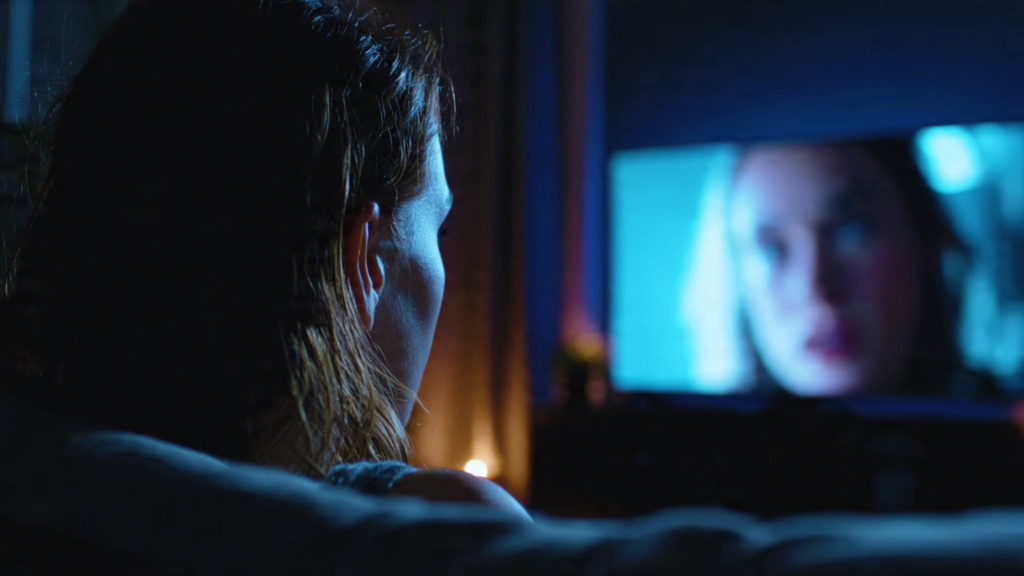
The Film Beneath the Film

Every great movie contains two narratives. One unfolds through events. The other lives in glances, objects, sound, and space.

Some viewers will never notice the second. Others will find it years later.

Both experiences are complete.

What changes is not the movie.

Most movies are designed to be understood in motion. On a first viewing, attention stays with dialogue, action, and outcome. The mind follows plot, trying to keep pace with what happens next. Only later does space open for noticing how the story was being told all along.

A second viewing changes the relationship between viewer and film. The ending is known, so urgency fades. Eyes begin to wander. A glance feels deliberate. A pause feels meaningful. Small details that once blended into the background begin to speak.

The movie has not changed. The way it is seen has.

AI Insight:
As rewatching becomes a natural habit, familiar films begin to reveal meaning through small choices that only register once the pressure of “what happens next” disappears.

Performances That Reveal Their Intent

In The Sixth Sense, Bruce Willis plays his role with unusual restraint. On a first watch, his quiet presence feels like personality. On a second, every distance becomes absence.

He rarely touches objects. People seldom respond to him directly. These details feel subtle at first, yet on return they become unmistakable.

The performance was always precise. The viewer simply lacked the context to read it.

Lines That Shift in Meaning

In Fight Club, Edward Norton’s narration feels observational. His words guide the audience through confusion.

On rewatch, those same lines feel fragmented. They reveal instability rather than clarity. Statements that once felt grounded begin to sound evasive.

Dialogue becomes evidence. The story transforms from mystery into confession without altering a single sentence.

Objects That Gain Narrative Weight

In The Shawshank Redemption, Andy Dufresne’s rock hammer appears trivial. It sits in his cell, part of the scenery.

Later, it becomes everything. On return, every moment it appears feels intentional. The story changes from patience to preparation.

The object becomes a timeline. Each glance at it marks progress the viewer did not see before.

Framing That Foreshadows Outcome

In Titanic, James Cameron often places Rose in doorways, on edges, between spaces. On first viewing, these moments feel romantic.

On return, they become symbolic. Rose is always between lives. She is never fully where she is.

The framing turns romance into transformation. The film becomes as much about escape as love.

Background Details That Predict Events

In Jurassic Park, John Hammond speaks of wonder while broken systems flicker behind him. Cables hang loose. Screens glitch.

On first viewing, these feel atmospheric. On return, they feel prophetic. The park was never stable.

The story shifts from surprise to inevitability. Disaster was always present in the frame.

Sound That Changes Role

In Jaws, the theme appears before the shark. Initially, it builds tension.

On rewatch, it becomes identity. The shark exists even when unseen. The sound is the creature.

Fear becomes conceptual. The movie teaches threat without image.

Repetition That Becomes Structure

In The Matrix, Neo repeatedly fails before succeeding. Jumps fall short. Doors close. Attempts repeat.

At first, these moments feel like pacing. On return, they form language.

The repetition becomes the message. Change requires persistence. Meaning emerges through rhythm.

Glances That Reframe Relationships

In Inception, Leonardo DiCaprio’s Cobb often looks toward empty space when thinking of his wife. On first watch, it feels like grief.

On rewatch, it feels like presence. The story becomes haunted long before it says so.

A single glance shifts the film from heist to memory.

Why These Details Matter

These elements change how stories are remembered. They move meaning from plot to pattern.

Viewers stop consuming and begin interpreting. The film becomes layered.

Rewatching becomes discovery. Familiar scenes feel new.

The movie grows without adding anything.

How Time Becomes Part of Storytelling

Films are often built to be seen more than once. Directors place meaning where urgency cannot reach.

Time unlocks these choices. The story becomes a conversation rather than a delivery.

Each return reveals a new voice inside the same frame.

The Film Beneath the Film

Every great movie contains two narratives. One unfolds through events. The other lives in glances, objects, sound, and space.

Some viewers will never notice the second. Others will find it years later.

Both experiences are complete.

What changes is not the movie.
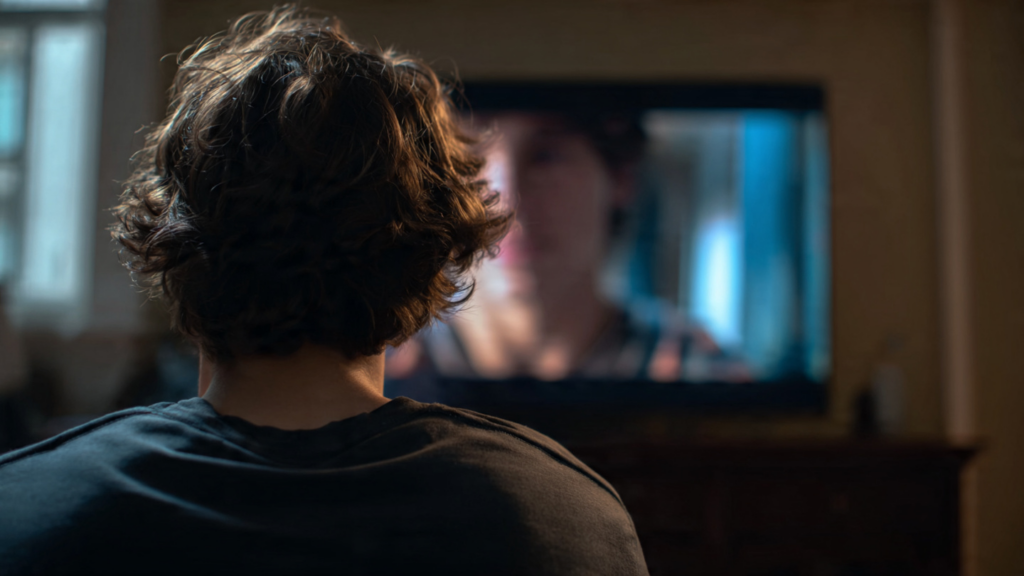
What changes is how it is seen.


Many movies feel straightforward on a first watch. The plot is clear, the characters make sense, and the ending lands where expected. Yet when viewers return, something subtle often shifts. Scenes feel heavier, expressions seem deliberate, and background moments begin to speak.

These changes rarely come from new information. They come from small details that were always there. A look from Leonardo DiCaprio in Inception, a line delivered quietly by Bruce Willis in The Sixth Sense, or a prop resting behind Andy Dufresne in The Shawshank Redemption can quietly transform the entire story.

The movie does not change. The story does.

AI Insight:
As people rewatch familiar films, tiny details often become the moment where entertainment turns into interpretation, reshaping how the story lives in memory.

A Look That Rewrites a Character

In The Dark Knight, Heath Ledger’s Joker often reacts before speaking. A brief tilt of the head or a lingering stare reframes entire scenes. On a first watch, these moments feel like performance style.

On return, they feel like warnings. The Joker is always thinking, always calculating. That awareness changes how every encounter is read.

A single look turns unpredictability into intention. The character becomes more than chaotic. He becomes deliberate.

Lines That Gain Weight Over Time

In The Sixth Sense, Bruce Willis’s character speaks in ways that seem ordinary at first. His conversations feel restrained, even distant.

On a second viewing, every line carries absence. His inability to interact normally becomes meaning rather than mystery.

What once felt like awkward writing becomes revelation. The story was always speaking. The viewer simply did not yet understand the language.

Objects That Tell a Second Story

In The Shawshank Redemption, Andy’s rock hammer appears insignificant. It rests quietly in his cell, barely acknowledged.

Later, it becomes the key to everything. On return, its presence changes every scene. Each moment Andy holds it feels purposeful.

The object transforms patience into intention. The story shifts from endurance to strategy without changing a single frame.

Background Moments That Alter Meaning

In Jurassic Park, early scenes show John Hammond speaking warmly about wonder and progress. Behind him, broken objects and flickering systems quietly contradict his optimism.

On a first watch, these details feel atmospheric. On return, they feel prophetic. The park was never stable.

The story becomes less about surprise and more about inevitability. Disaster was always present.

Framing That Changes Emotion

In Titanic, James Cameron repeatedly frames Rose at thresholds. She stands between rooms, between decks, between identities.

At first, these moments feel romantic. On rewatch, they become symbolic. Rose is always in transition.

The framing transforms romance into rebirth. The film becomes a story about escape as much as love.

Repetition That Forms Narrative

In The Matrix, Neo repeatedly fails before succeeding. Doors close. Jumps fall short. The same patterns return.

On a first watch, these moments feel like pacing. On return, they feel like structure.

The repetition becomes the message. Change requires persistence. The story speaks through rhythm rather than dialogue.

Sound That Carries Meaning

In Jaws, the theme appears before the shark. It becomes a presence rather than music.

At first, it creates tension. Later, it becomes identity. The shark exists even when unseen.

The sound transforms absence into threat. The movie teaches fear without showing danger.

Why These Details Matter

Small details change stories because they shift perspective. They move meaning from surface to structure.

Viewers begin to experience films rather than follow them. The story becomes layered.

Rewatching becomes discovery. Familiar scenes feel new.

The movie grows without adding anything.

How Real Performances Make It Work

Actors carry these details. A glance from Meryl Streep in The Devil Wears Prada communicates authority before a word is spoken.

A pause from Joaquin Phoenix in Her reveals vulnerability more than dialogue.

These performances place meaning between lines. The story lives in restraint.

The Story Beneath the Plot

Every great film contains two narratives. One is visible. One is felt.

Small details build the second. They wait for time to unlock them.

Some viewers will never notice them. Others will find them years later.

Both experiences are complete.

What changes is not the movie.
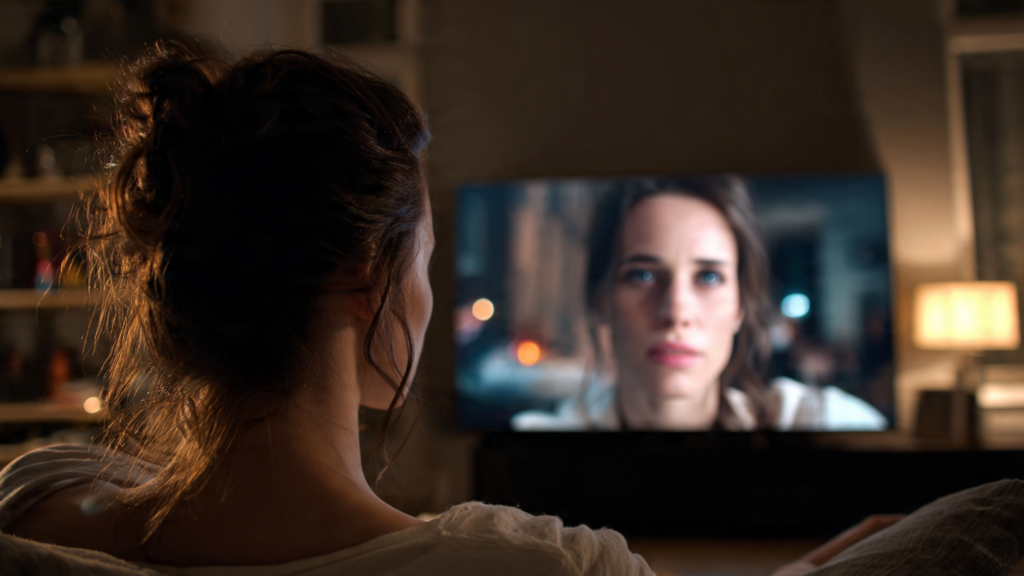
What changes is how it is seen.


Most movies are designed to be followed, not studied. On a first watch, attention naturally stays with dialogue, action, and plot. The story moves quickly, and the viewer moves with it. Yet many films quietly place meaning in spaces that the eye passes over.

These missed details are not mistakes or extras. They are part of how stories speak beneath the surface. They wait in the background, in movement, in silence, and in framing. Their purpose is not to be noticed immediately, but to remain.

The film does not hide them. It trusts time to reveal them.

AI Insight:
As rewatching becomes a normal part of how people experience movies, small background details often become the moments that turn a familiar story into something newly understood.

Objects That Tell Untold Stories

Behind many characters sit shelves, desks, and walls filled with ordinary items. Books, photographs, and worn objects quietly suggest a history that is never explained.

A single photograph can imply loss. A cluttered desk can suggest restlessness. A neatly arranged shelf can reflect control.

These details are rarely mentioned, yet they shape how a character feels. On a first watch, they blend into the scene. On return, they begin to speak.

Text That Passes Unread

Newspaper headlines, street signs, and documents often appear briefly on screen. Most viewers never read them in real time.

Yet these fragments often carry context. A headline reframes a moment. A sign situates the story within a wider world.

They exist for those who pause or return. Their meaning grows with familiarity rather than urgency.

Movement at the Edge of the Frame

Background figures walk, wait, and react in ways that feel natural. They create life beyond the main action.

A passerby glances. A child runs past. Someone waits at a distance.

These movements are not part of the plot. They are part of the world. They prevent scenes from feeling staged.

On first viewing, they fade into motion. Later, they reveal how carefully the world was built.

Repeated Shapes and Colors

Directors often repeat visual elements quietly. A color returns in different rooms. A shape appears across scenes.

These patterns rarely register consciously. They operate emotionally rather than logically.

Over time, they create cohesion. The story feels unified even when locations change.

Meaning emerges through rhythm rather than explanation.

Reflections and Shadows

Mirrors, windows, and shadows are often used to add depth. A character appears doubled. A silhouette lingers in frame.

These moments suggest inner states without dialogue. They exist at the edge of perception.

The viewer feels something before knowing why. The background becomes emotional language.

Sounds That Linger

Certain sounds return across scenes. A distant train, a door closing, a piece of music heard faintly.

These audio details connect moments emotionally. They form memory.

On first viewing, they feel atmospheric. On return, they feel intentional.

The story begins to speak through sound rather than speech.

Messages Placed for Later

Some details only make sense after the story ends. A poster hints at a future event. A name foreshadows a choice.

On a first watch, they pass unnoticed. On a second, they feel deliberate.

The film seems to remember itself. The story feels designed rather than accidental.

Time becomes part of the narrative.

Why These Details Matter

Missed details change how stories are experienced. They invite a slower form of watching.

The screen becomes a space to explore rather than consume. Attention moves outward.

The story gains dimension without adding words.

It becomes something to live with rather than finish.

How Rewatching Changes Vision

On return, viewers no longer chase plot. They begin to observe.

Walls become meaningful. Corners hold information. Silence reveals texture.

The film feels deeper without changing.

What changes is where the eye rests.

The World Beneath the Action

Every story carries a second narrative beneath its surface. It exists in objects, movement, and quiet design.

Most viewers will never see it. Some will notice years later.

Both experiences are complete.

The story works either way.

The details wait.

Many films are remembered for what happens on screen, yet their deeper meaning often lives somewhere else. Viewers walk away with a clear sense of the plot, but a less certain understanding of what the story was really exploring. Over time, this gap becomes visible.

Misunderstanding does not come from lack of attention. It comes from how stories speak in layers. Dialogue explains events, but images, rhythm, and silence communicate ideas that are easy to overlook. What feels obvious at first can quietly shift with reflection.

The film does not change. The interpretation does.

AI Insight:
As people revisit familiar movies, moments that once felt straightforward often reveal hidden complexity, showing how meaning was present long before it was noticed.

Plot Versus Purpose

Viewers often focus on what happens rather than why it happens. The plot feels like the story, yet it is only the surface.

A journey may appear to be about success, but it may actually be about identity. A conflict may seem external, yet it may reflect an inner struggle.

When purpose is mistaken for plot, the film feels simpler than it is. The story becomes a sequence of events rather than an exploration of meaning.

Characters as Symbols, Not Just People

Many characters represent more than themselves. They embody fear, change, memory, or loss.

Viewers sometimes judge these figures only by their actions, missing what they stand for. A silent character may not be empty. A distant one may not be cold.

The film often speaks through who they are rather than what they do. When this layer is missed, motivation feels unclear and choices feel confusing.

Silence Mistaken for Absence

Quiet scenes are often interpreted as slow or empty. Yet silence frequently carries the most meaning.

A pause may reflect hesitation. An empty room may express loss. A lingering shot may invite reflection.

When silence is seen as nothing, its message disappears. The moment becomes a gap rather than a statement.

Endings That Resist Closure

Many viewers expect endings to resolve everything. When a film ends openly, it can feel unfinished.

Yet ambiguity is often intentional. The story is not asking to be completed. It is asking to be considered.

When viewers look for answers instead of intention, they miss the purpose of the ending. What feels incomplete may be exactly what was meant.

Visual Language That Goes Unread

Films speak through composition, light, and movement. A character placed at the edge of the frame expresses isolation.

A doorway suggests transition. A shadow signals uncertainty.

These choices are often felt but not recognized. When they are ignored, scenes lose depth. The movie becomes literal instead of expressive.

Repetition That Feels Accidental

Recurring images, sounds, or gestures are sometimes seen as coincidence. In reality, they often form structure.

A color returning across scenes. A place reappearing at key moments. A sound echoing change.

These patterns create meaning. When overlooked, the story feels fragmented rather than cohesive.

Emotion Mistaken for Instruction

Some viewers look for lessons. They expect films to tell them what to think.

Many stories offer emotion instead. They create space rather than direction.

When viewers search for answers instead of experience, the film feels unclear. Meaning becomes something to solve rather than something to feel.

Why Misunderstanding Persists

Misunderstanding persists because stories are layered. They speak differently to different viewers.

A film seen at one stage of life feels different at another. What was invisible becomes visible.

The movie has not changed. The viewer has.

This shift reveals that misunderstanding is often temporary.

How Rewatching Changes Perception

On a second viewing, the plot is known. Attention moves outward.

Background details become clear. Silence gains weight. Patterns emerge.

What once felt confusing begins to feel intentional. The story reveals what it was always saying.

Understanding grows not through explanation, but through presence.

The Meaning That Waits

Every film carries more than one story. One unfolds in events. The other lives in image, rhythm, and tone.

Some viewers will never notice the second. Others will discover it years later.

Both experiences are complete.

What viewers often misunderstand is not the story.

It is where the story truly lives.


Many popular films feel complete after a single viewing, yet something subtle often lingers beneath the surface. A scene may feel heavier than its dialogue suggests, or a moment may resonate without a clear reason. Viewers sense that more is being said than what appears on screen.

These unspoken ideas form hidden messages. They live in imagery, rhythm, sound, and structure rather than in words. Over time, they change how a story is understood, especially when a familiar film is revisited with new attention.

Hidden messages do not replace the story. They quietly reshape how it is felt.

AI Insight:
As people return to familiar movies, small visual and emotional cues often become the moments that transform simple entertainment into personal interpretation.

Images That Speak Beyond Dialogue

Films communicate through images as much as through words. A wide shot can express isolation, while a close-up can reveal vulnerability without explanation.

On a first viewing, these choices feel natural. On a second, they begin to feel deliberate. The viewer starts noticing how often a character stands apart or how space surrounds them.

What once felt like style becomes meaning. The movie begins to speak in a second language that lives beneath dialogue.

Objects That Carry Unspoken History

Everyday items often hold hidden messages. A photograph on a desk, a worn book, or a small personal object may appear ordinary at first.

Later, that object becomes context. It hints at memory, loss, or longing that was never explained aloud.

The plot does not change, yet the character becomes deeper. The hidden message rewrites interpretation rather than events.

Light as Emotional Direction

Lighting shapes feeling before thought. Bright spaces can suggest safety or openness, while shadow can imply doubt or inner conflict.

A character stepping from light into darkness often signals change. A sudden brightness may feel like clarity or release.

These shifts are rarely noticed consciously. Over time, they are recognized as narrative choices rather than atmosphere.

The film begins to feel guided rather than accidental.

Thresholds and Quiet Decisions

Doorways, windows, and corridors often appear at moments of change. A character framed between spaces suggests hesitation or transition.

Standing still at a threshold reflects uncertainty. Crossing it implies decision, even when no words are spoken.

When these images repeat, they form a pattern. The film communicates growth through space rather than speech.

Hidden messages emerge through architecture and movement.

Repetition That Forms Language

Hidden messages often appear through repetition. A color returns. A sound reappears. A gesture echoes across scenes.

At first, these details feel coincidental. Over time, they form rhythm. The viewer senses connection before recognizing structure.

Repetition turns imagery into language. The movie begins speaking through pattern rather than explanation.

What once felt decorative becomes narrative.

Silence as Meaning

Some of the strongest messages exist in absence. A pause, an empty room, or an unspoken response becomes expressive.

Silence invites participation. It allows the viewer to feel rather than be told.

These moments become symbolic because they resist closure. The story opens instead of concluding.

Meaning grows in the space between words.

Movement That Reveals Inner Change

How a character moves often communicates more than dialogue. A slow walk suggests reluctance. A sudden stop reveals doubt.

When these movements repeat, they become symbolic. The body begins to speak across scenes.

The audience senses transformation before it is named. Motion becomes message.

The film communicates through behavior rather than speech.

Why Hidden Messages Matter

Hidden messages change how movies are remembered. They shift the experience from receiving a story to discovering one.

Viewers return and notice what was always there. The film feels deeper, not because it changed, but because perception did.

Meaning becomes layered. Each viewing reveals another dimension.

The movie grows without adding a single frame.

The Role of Rewatching

On a second viewing, the plot is known. Attention shifts from what happens to how it happens.

Background details become visible. Light, space, and movement begin to speak.

What once felt emotional now feels intentional. The viewer understands why silence mattered or why a scene lingered.

Rewatching transforms experience into interpretation.

The Movie Beneath the Movie

Every film carries two stories. One unfolds through action and dialogue. The other lives in image, rhythm, and repetition.

Some viewers will never notice the second. Others will find it years later.

Both experiences are complete. The film works either way.

Hidden messages do not rewrite the movie.

They reveal what it has been saying all along.


Some movies feel different the second time they are watched. The plot remains the same, yet the story seems to deepen, as if something new has surfaced beneath familiar scenes. Viewers often sense that the film is saying more than it did the first time.

This shift usually comes from symbolism. Directors embed meaning in light, movement, objects, and framing, allowing emotion and ideas to live beneath the dialogue. What first feels like atmosphere later becomes language.

Symbolism does not alter the story on the surface. It changes how the story is understood.

AI Insight:
As people revisit familiar films, symbolic details often become the turning point that quietly transforms the story from something watched into something interpreted.

When Images Begin to Speak

Films communicate through images as much as through words. A wide shot can express isolation. A close-up can suggest intimacy or vulnerability. These visual choices guide emotion before logic.

On a first viewing, these images may simply feel right. On a return, they begin to feel deliberate. The viewer starts noticing how often a character stands alone or how frequently space surrounds them.

What once felt like style becomes meaning. The movie begins to speak in a second language, one that operates beneath dialogue.

Objects That Rewrite a Character

A simple object can quietly reshape a character. A photograph on a desk, a worn book, or a personal item may appear insignificant at first.

Later, that object becomes context. It suggests history, loss, or longing that was never explained. The character gains depth without saying anything new.

The story remains unchanged, yet the person at its center feels different. The symbol alters interpretation rather than plot.

Light as Emotional Direction

Lighting often carries meaning beyond visibility. Bright spaces can suggest safety or openness. Shadows can suggest doubt or inner conflict.

A character stepping from light into darkness can mark emotional change. A sudden brightness may feel like release or clarity.

These shifts are rarely noticed consciously. They shape feeling before thought. Over time, the viewer recognizes them as narrative choices rather than atmosphere.

The movie begins to feel guided rather than incidental.

Thresholds and Turning Points

Doorways, windows, and corridors often represent transition. A character framed between spaces suggests uncertainty or change.

Standing still at a threshold reflects hesitation. Crossing it implies decision. These moments feel natural, yet they quietly express inner movement.

When these images repeat, they form a pattern. The film begins to communicate growth through architecture rather than dialogue.

The story feels more intentional. Change becomes visible even when it is not spoken.

Repetition That Forms Language

Symbols gain power through recurrence. A color returns. A gesture repeats. A sound appears across different moments.

At first, these details feel coincidental. Over time, they form rhythm. The viewer begins to sense connection before recognizing structure.

Repetition turns imagery into language. The movie starts speaking through pattern rather than explanation.

What once felt decorative becomes narrative.

Silence as Meaning

Symbolism often lives in absence. A pause, an empty room, or a withheld response becomes expressive.

Silence allows emotion to surface without instruction. It invites the viewer into the moment rather than explaining it.

These spaces become symbolic because they resist closure. They feel larger than plot.

The story opens instead of ending.

Movement That Mirrors Change

How a character moves often reflects what they feel. A slow walk suggests reluctance. A sudden stop reveals doubt.

When these movements repeat, they become symbolic. The body speaks across scenes.

The audience senses transformation before it is spoken. Motion becomes meaning.

The film communicates through behavior rather than dialogue.

Why Symbolism Changes Everything

Symbolism alters how a movie is remembered. It shifts the experience from receiving a story to discovering one.

Viewers return and notice what was always there. The film feels deeper, not because it changed, but because perception did.

Meaning becomes layered. Each viewing reveals another dimension.

The movie grows without adding a single frame.

The Role of Rewatching

On a second viewing, the plot is known. Attention shifts from what happens to how it happens.

Background details become visible. Light, space, and movement begin to speak.

What once felt emotional now feels intentional. The viewer understands why a scene lingered or why silence mattered.

Rewatching transforms experience into interpretation.

The Movie Beneath the Movie

Every film carries two stories. One unfolds through action and dialogue. The other lives in light, space, and repetition.

Some viewers will never notice the second. Others will find it years later.

Both experiences are complete.

Symbolism changes the movie not by rewriting it, but by revealing what was always there.

The story becomes more than what happens.

It becomes what it means.


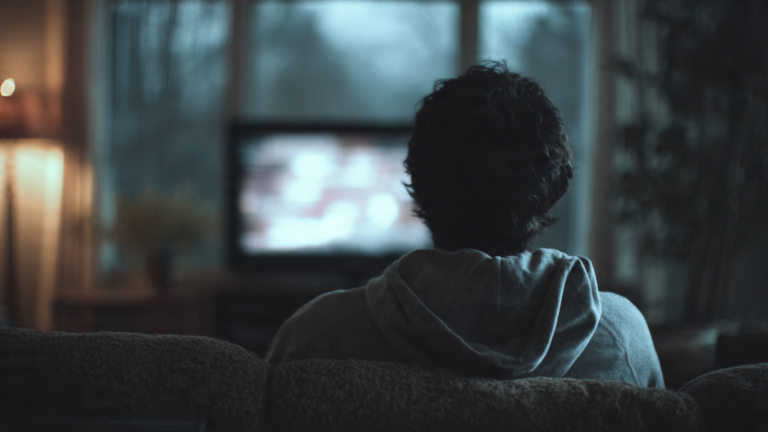
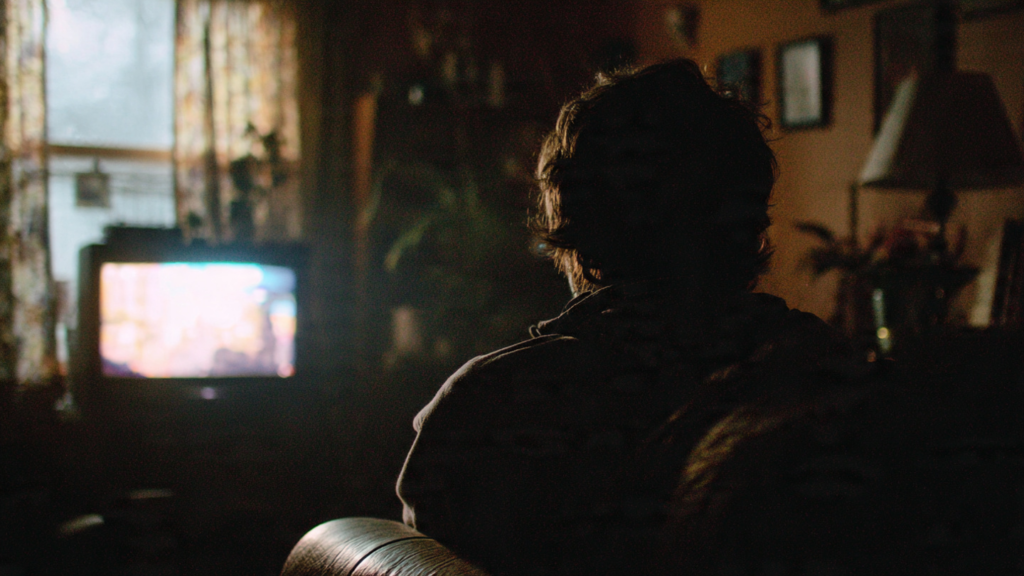
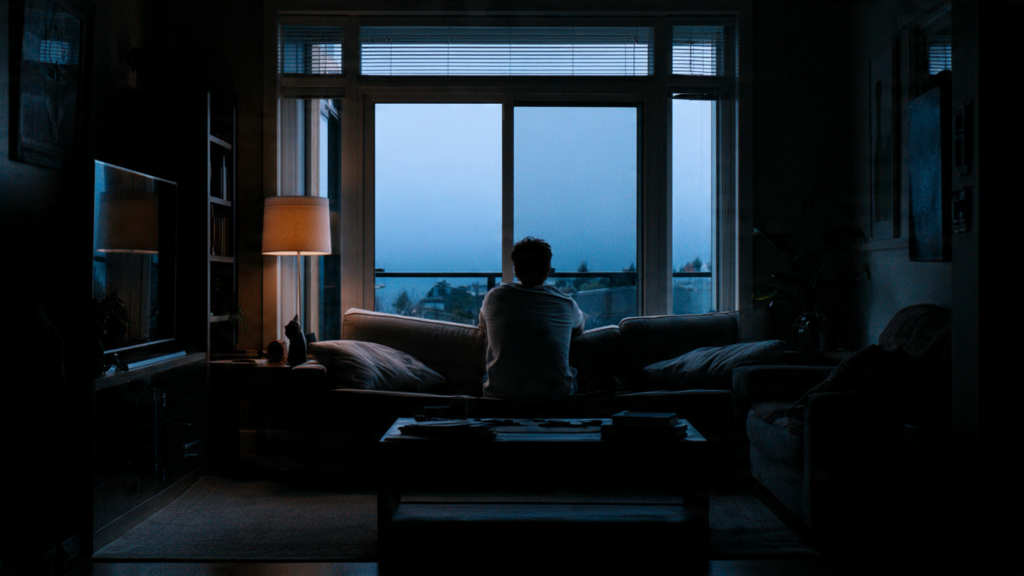
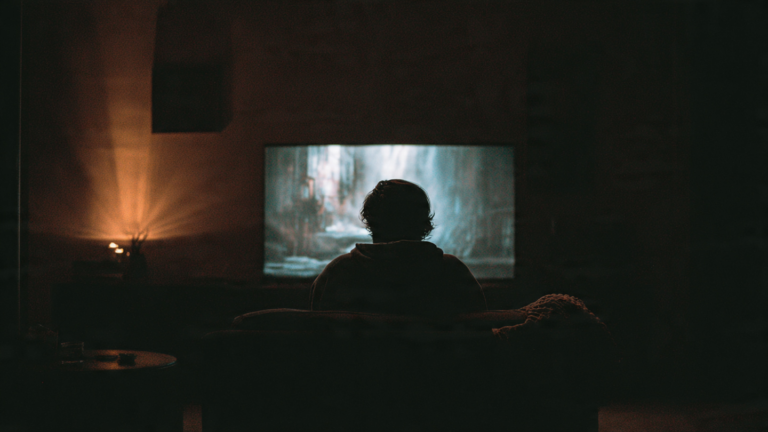
Image Guidance

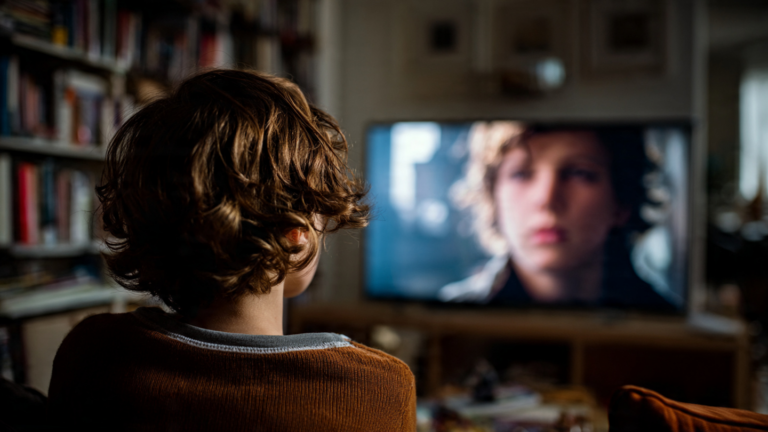
  • Type: Lifestyle / device-in-use
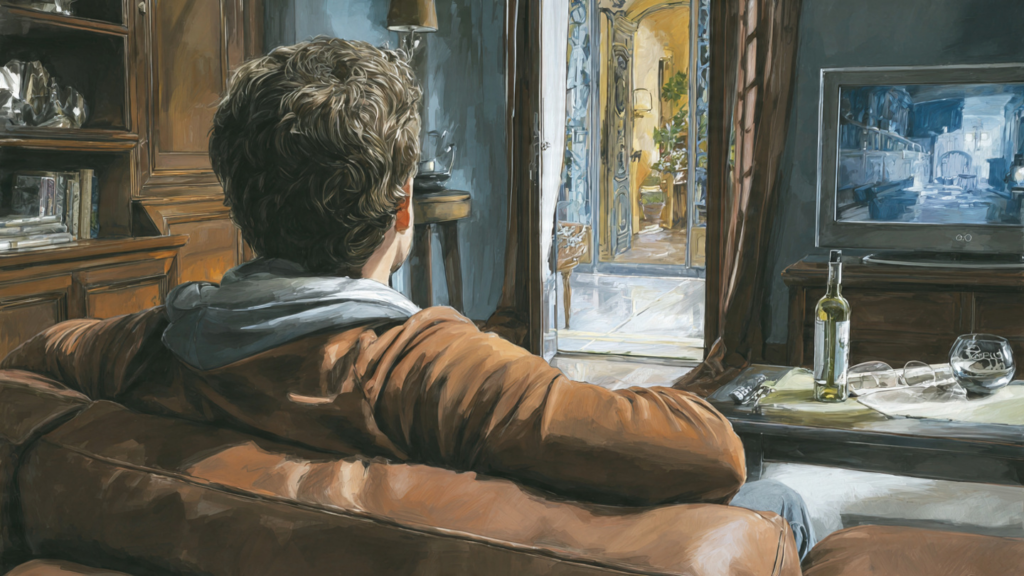
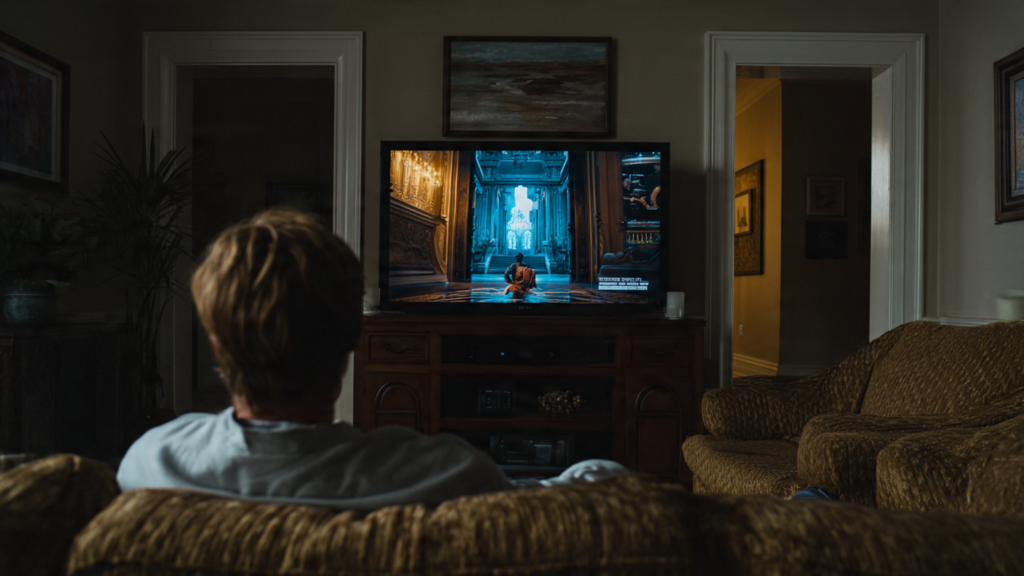
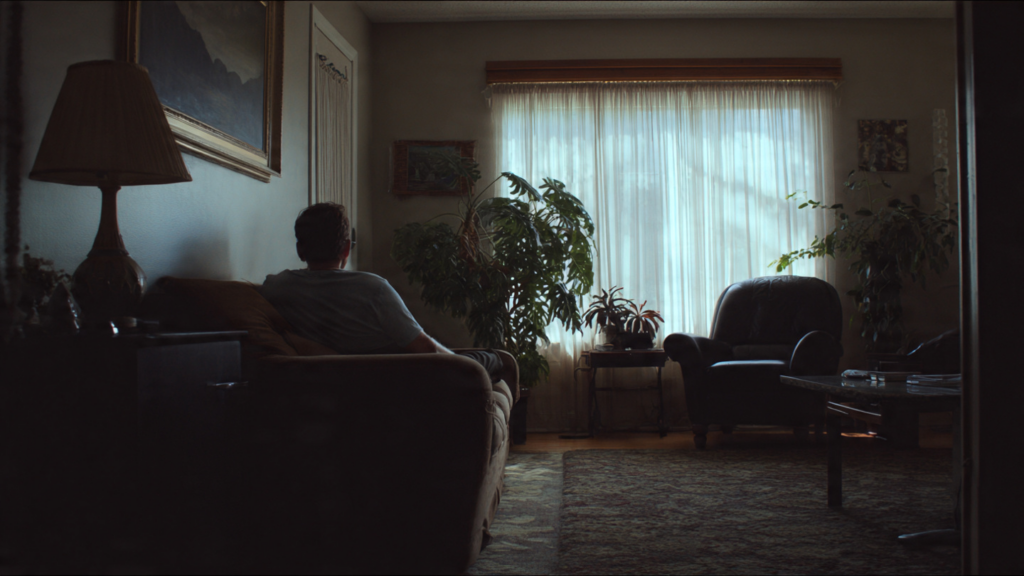
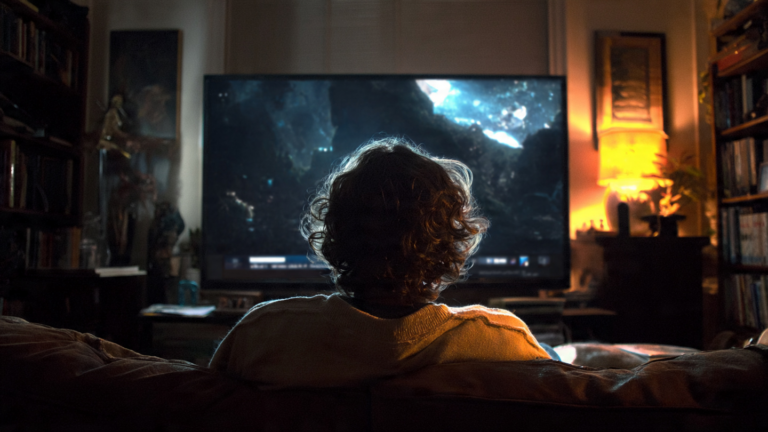
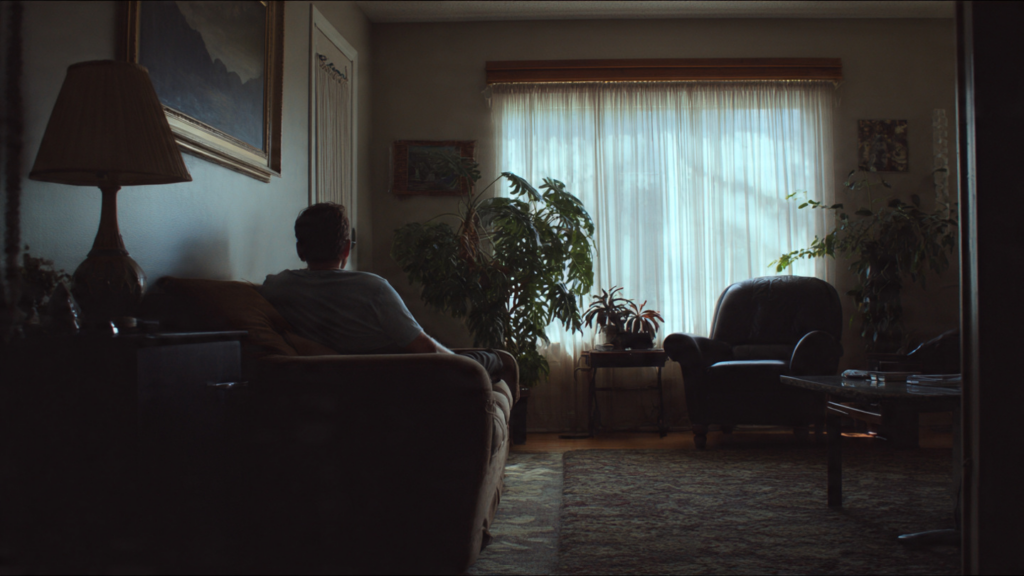
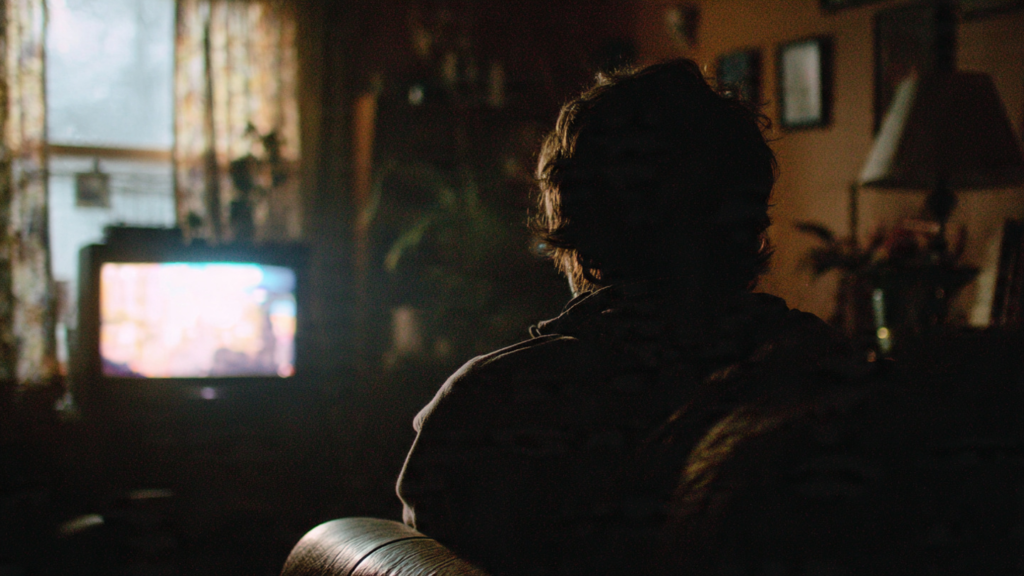
  • What it should show: A realistic scene of someone watching a movie at home, pausing during a visually symbolic moment such as a doorway, reflection, or object in focus, in a calm, everyday setting.
  • Reminder: Avoid exaggerated, futuristic, or promotional visuals. The image should feel ordinary and grounded, reflecting how deeper meaning is discovered during natural, real-world viewing.

Some scenes stay with people long after the screen fades to black. They may be quiet, brief, or visually simple, yet they carry an emotional weight that feels larger than the moment itself. Viewers often struggle to explain why they feel so affected.

These scenes work beneath language. They rely on timing, framing, silence, and presence rather than dialogue alone. What feels powerful at first becomes meaningful later, as attention shifts from what happens to how it feels.

The power is not accidental. It is carefully shaped.

AI Insight:
As people revisit familiar films, scenes that once felt emotional often reveal how carefully timing and restraint were used to let feeling arrive naturally.

When Silence Takes Control

Powerful scenes often speak through absence. A pause replaces explanation. A look stands in for a confession.

Silence creates space for emotion. It allows the viewer to feel rather than be told.

The moment becomes personal because nothing interrupts it. The audience enters the scene rather than observing it.

Framing That Creates Intimacy

Where a character appears in the frame shapes how the moment is felt. A close-up invites connection. A wide shot creates distance.

A figure placed alone within space suggests vulnerability. A centered subject implies certainty.

These choices guide emotion before thought. The viewer feels meaning before understanding it.

Movement That Feels Human

Small gestures often carry more weight than large actions. A hand hesitates. A step stops. A breath changes.

These movements feel real because they mirror everyday experience. They reflect inner states without explanation.

The audience recognizes themselves in these moments. The scene becomes shared rather than watched.

Light That Shapes Mood

Lighting often defines emotional tone. Soft light suggests calm. Shadow suggests conflict or doubt.

A character stepping into brightness can signal release. Moving into darkness can suggest retreat.

These shifts are rarely noticed consciously. They work on feeling before logic, guiding interpretation quietly.

Repetition That Builds Meaning

Powerful scenes often echo earlier moments. A gesture returns. A place reappears. A sound repeats.

These patterns create emotional memory. The scene feels inevitable rather than sudden.

Meaning grows through rhythm. The story seems to remember itself.

Restraint Instead of Emphasis

Strong scenes rarely announce their importance. They do not rely on music swelling or dialogue explaining.

They trust stillness. They allow emotion to rise naturally.

This restraint gives the moment dignity. It feels real rather than performed.

When Time Slows

Many powerful scenes alter pacing. Action pauses. The camera lingers.

Time feels suspended. The viewer becomes aware of presence rather than plot.

This shift allows feeling to settle. The scene becomes a space rather than an event.

Why These Moments Endure

Scenes like these remain because they invite participation. They do not instruct. They suggest.

Viewers return and find something new, not because the scene changed, but because they did.

Meaning becomes a relationship between film and audience. The power grows without adding a single frame.

The Feeling That Remains

After the scene ends, something lingers. It is not always a thought. Often it is a mood.

The viewer carries it forward. The story continues internally.

That is why the scene feels powerful. It does not end.

It stays.

An ending often feels like a final answer, yet many films leave something unresolved beneath the surface. The last scene lingers not because it explains everything, but because it suggests more than it shows. Viewers walk away sensing that the story continues somewhere beyond the frame.

These endings rely on implication rather than conclusion. Meaning is carried by silence, imagery, and emotional tone instead of direct explanation. What feels complete at first often becomes more complex with time.

The ending does not close the story. It opens a space for reflection.

AI Insight:
As people revisit familiar films, endings often reveal new layers, showing that their meaning was never fixed but shaped by how the viewer changes over time.

When Closure Is Intentionally Withheld

Some endings resist resolution. A character pauses instead of speaking. A door remains half open. The camera lingers rather than moving on.

These moments feel unfinished by design. They invite the viewer to imagine what follows.

The story ends, yet meaning continues. The audience becomes part of the narrative.

Images That Replace Answers

Endings often speak through images rather than words. A wide landscape suggests possibility. A quiet room suggests loss.

These visuals carry emotion without explanation. They remain in memory because they are open.

The viewer feels something that cannot be summarized, and that feeling becomes the ending’s message.

The Return of Earlier Motifs

Many endings echo earlier moments. A gesture repeats. A place reappears. A sound returns.

These callbacks create emotional symmetry. The story feels whole without being closed.

Meaning emerges through pattern. The ending feels inevitable because it remembers what came before.

Silence as Final Statement

Often, the most powerful endings contain little or no dialogue. Silence replaces explanation.

This absence allows emotion to settle. It gives the viewer space to process rather than receive.

The film trusts the audience. Meaning becomes personal rather than prescribed.

Character Change Without Announcement

Endings frequently show transformation without naming it. A character stands differently. A look replaces a line.

The shift is visible rather than spoken. Growth feels real because it is not declared.

The viewer recognizes change by observing behavior, not by hearing confirmation.

Ambiguity That Invites Return

Ambiguous endings remain alive. They encourage reflection long after the screen goes dark.

Viewers revisit them, noticing details that once felt minor. Each return offers a new interpretation.

The story does not change. The relationship to it does.

Why These Endings Endure

Endings that suggest rather than conclude stay with people. They respect imagination.

They allow multiple meanings to coexist. No single interpretation is required.

The film becomes a companion rather than a statement.

How Rewatching Alters the Ending

On a second viewing, the path is known. Attention shifts to tone and detail.

A look feels intentional. A pause gains weight. The ending speaks differently.

What once felt uncertain now feels deliberate. The story reveals itself slowly.

The Meaning That Lives Beyond the Frame

Every open ending carries a second story beyond what is shown. It exists in feeling rather than plot.

Some viewers will never seek it. Others will carry it for years.

Both experiences are complete.

The ending works either way.

Meaning waits.


Some films leave a lingering feeling long after the final scene fades. The story may seem simple on the surface, yet something beneath it continues to resonate. That depth often comes from themes that are never directly spoken.

These ideas live quietly inside scenes, carried by imagery, pacing, and tone. They are not explained, only suggested. Over time, viewers begin to sense them, especially when returning to familiar moments with new attention.

The film does not change. The meaning does.

AI Insight:
As people revisit familiar films, subtle themes often surface naturally, revealing how meaning was present long before it was consciously noticed.

Loneliness Beneath the Dialogue

Many films explore isolation without ever naming it. A character framed alone, a long walk through empty space, or a pause before speaking can express distance.

These moments feel emotional before they feel symbolic. The viewer senses separation even when the story continues normally.

Loneliness becomes part of the atmosphere rather than the plot, shaping how every interaction is felt.

Time as an Invisible Force

Some stories quietly revolve around time. Clocks appear. Seasons change. Light shifts from morning to evening.

These details suggest movement even when characters remain still. The theme of passing time becomes emotional rather than mechanical.

The viewer begins to feel urgency, loss, or growth without being told that time is the subject.

The Search for Belonging

A recurring theme in many films is the desire to belong. It appears in glances toward groups, hesitation at doorways, or lingering looks.

Characters may never speak about this need. Instead, it appears in how they move through space.

The film becomes a story about connection even when the plot focuses elsewhere.

Control and Its Absence

Themes of control often hide in small choices. Doors that close, paths that narrow, or frames that trap a character signal pressure.

A wide space can suggest freedom. A tight corridor can suggest constraint.

These visual cues shape feeling. The audience understands power and powerlessness before it is stated.

Change Without Announcement

Transformation rarely arrives with ceremony. A character alters posture. A room is rearranged. A habit fades.

These shifts happen quietly. The film shows growth rather than declaring it.

The theme of change becomes something the viewer notices rather than something the story explains.

Nature as Emotional Mirror

Weather, landscapes, and light often reflect inner states. Rain appears during loss. Sunlight returns with hope.

These elements feel natural, yet they guide interpretation.

Nature becomes a second voice, expressing what characters cannot say.

Repetition That Builds Meaning

Themes gain strength through repetition. A place reappears. A sound returns. A gesture is mirrored.

The pattern forms slowly. The viewer senses connection before recognizing structure.

Meaning emerges through rhythm rather than instruction.

Why These Themes Matter

Subtle themes allow films to remain open. They invite reflection instead of closure.

Viewers return and discover something new, not because the story changed, but because they did.

Meaning becomes a relationship between film and audience. The work grows without adding a single frame.

How Rewatching Changes Perception

On a second viewing, the plot is familiar. Attention shifts to atmosphere and detail.

Scenes once passed quickly now feel weighted. Silence becomes expressive.

The film reveals what was always there.

The Story Beneath the Story

Every film carries a second narrative beneath its surface. It lives in light, space, and quiet design.

Some viewers will never notice it. Others will find it years later.

Both experiences are complete.

The themes wait.