The Film Bakers

Author

Henry

Browsing

Some movie moments feel richer each time they are revisited. A familiar image begins to carry weight, and a simple object seems to speak in ways it did not before. What once felt ordinary slowly becomes meaningful.

These moments work through symbols. Directors use light, space, objects, and movement to communicate ideas that words cannot fully express. The scene remains unchanged, yet its meaning grows with attention.

Symbolism does not interrupt the story. It quietly deepens it.

AI Insight:
As people return to familiar films, symbolic details often become the bridge between what was felt at first and what is understood later.
Objects That Carry Emotional History

Everyday items often become symbolic through repetition. A watch, a letter, or a photograph appears at moments that matter, gathering meaning over time.

These objects feel ordinary on first viewing. Later, they feel charged with memory.

The story gains a second voice. Meaning travels through what is held and what is left behind.

Light as a Silent Guide

Lighting shapes interpretation before thought. Bright spaces suggest openness, while shadows suggest doubt or change.

A character stepping into darkness often signals inner conflict. A sudden glow can mark clarity or release.

These shifts work emotionally rather than logically. The viewer feels transformation before naming it.

Windows, Doors, and Thresholds

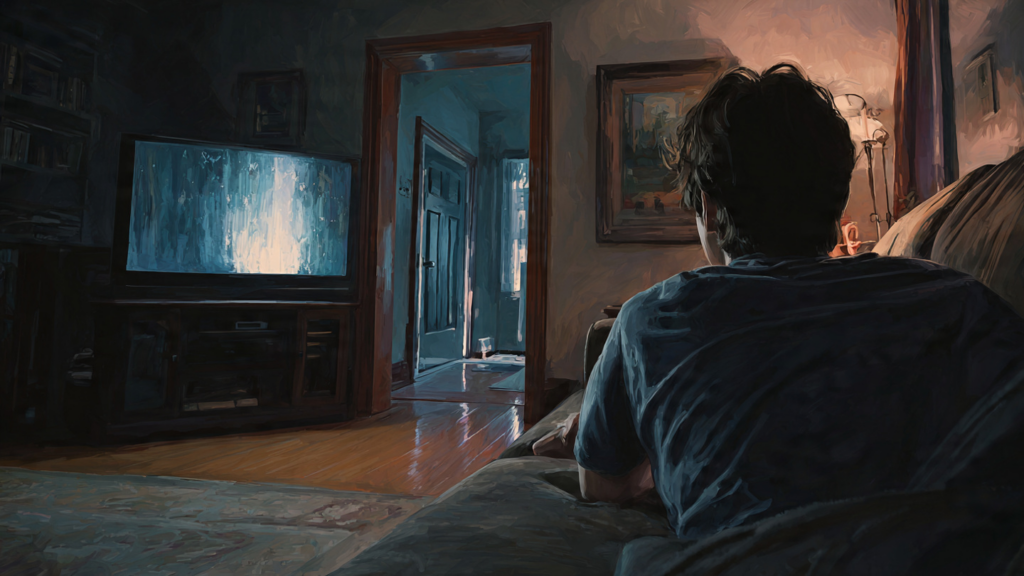
Doorways and windows frequently represent transition. A character framed between spaces suggests movement from one state to another.

Standing still at a threshold often reflects hesitation. Crossing it implies decision.

These images feel natural, yet they quietly express change. The story speaks through architecture.

Water as Renewal or Loss

Water appears across films in moments of reflection, escape, or rebirth. Rain, rivers, and oceans carry emotional weight.
A character submerged may be seeking renewal. Standing at the edge can signal uncertainty.

The meaning is never explained. It is felt. The element becomes language.

Repeated Colors That Form Pattern

Color often works as symbol. A single shade returns in different scenes, linking emotion across time.

Red may signal danger. Blue may suggest distance. The repetition builds association.

Viewers sense continuity before recognizing design. The film becomes cohesive through hue.

Movement That Mirrors Inner Change

How a character moves often reveals more than dialogue. A slow walk suggests reluctance. A sudden stop reveals doubt.

When these gestures repeat, they become symbolic. The body speaks across scenes.

Transformation becomes visible without being spoken.

Silence as Expressive Space

Pauses, empty rooms, and unspoken responses carry meaning. Silence allows emotion to surface without instruction.

These moments invite participation. The viewer fills the gap with feeling.

Absence becomes part of the story’s language.

Why Symbols Matter

Symbols allow stories to remain open. They resist final explanation and invite return.

Viewers discover new meaning not because the scene changes, but because perspective does.

The film grows without adding a single frame.

How Rewatching Reveals Layers

On a second viewing, the plot is known and attention shifts. The eye begins to wander.

Details once invisible begin to speak. Light, objects, and movement form patterns.

The story feels deeper, not because it changed, but because it was always layered.

The Meaning Beneath the Frame

Every symbol carries a second narrative beneath the visible one. It exists quietly alongside the story.

Some viewers will never notice it. Others will discover it years later.

Both experiences are complete. The film works either way.

Meaning waits.
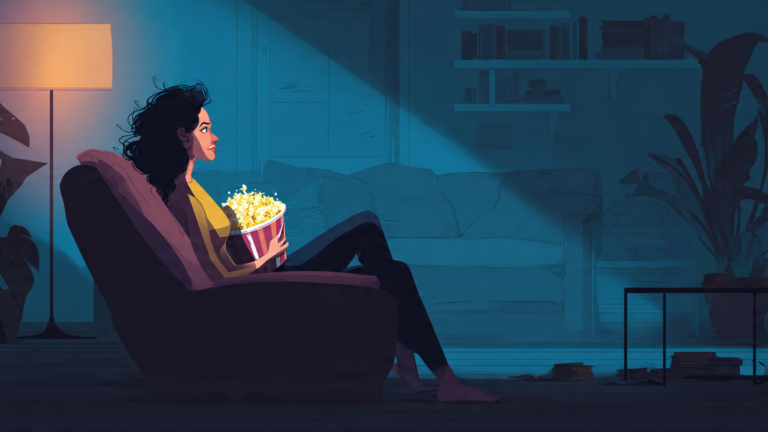

Some movie scenes stay in memory not because of what is said, but because of what is felt. A look lasts a moment longer than expected, a character pauses before leaving, or the camera lingers on something that seems ordinary. The story moves on, yet the moment remains.

These scenes often speak through subtext rather than dialogue. Meaning is carried by framing, movement, light, and silence. What feels emotional at first becomes clearer with time, as attention shifts from plot to presence.

The scene is not hiding meaning. It is waiting for it to be noticed.

AI Insight:
As people revisit familiar films, quiet moments often reveal their true purpose, showing that meaning was present long before it was consciously understood.

When Silence Speaks Loudest

Some scenes communicate through what is not said. A pause replaces explanation. A look replaces confession.

These moments feel powerful because they invite interpretation. The audience becomes part of the exchange.

Silence creates space for emotion. It allows meaning to rise without instruction.

Framing That Shapes Feeling

Where a character stands in the frame often carries meaning. Isolation in a wide shot can express distance more clearly than words.

A figure centered may feel resolved. One placed at the edge may feel uncertain.

These choices guide emotion before logic. The viewer feels intention without needing explanation.

Objects That Carry Subtext

A simple object can become symbolic within a scene. A key on a table, a letter in a pocket, or a cup left untouched gains weight.

These items appear ordinary, yet their placement is deliberate. They speak for what the character cannot.

The scene becomes layered. Meaning exists in what is held and what is left behind.

Movement as Inner Language

How a character moves often reveals what they feel. A step forward suggests readiness. A hesitation reveals doubt.

These gestures become a second dialogue. The body speaks when words fall short.

The viewer understands change before it is spoken. Motion becomes message.

Light as Emotional Cue

Lighting often signals transition. A character stepping into shadow may reflect uncertainty. A sudden brightness may suggest clarity.

These shifts operate beneath awareness. They guide feeling rather than thought.

The scene communicates through atmosphere. Emotion arrives before meaning.

Repetition That Builds Meaning

Scenes gain power through echoes. A gesture repeats. A place reappears. A sound returns.

These patterns create continuity. The moment feels part of a larger emotional arc.

When recognized, the scene feels intentional rather than accidental. Meaning emerges through rhythm.

When the Scene Feels Bigger Than Plot

Some moments seem to pause the story. Action slows. Dialogue fades.

These scenes exist to express state rather than event. They reveal where a character is inside.

The plot continues, but the emotional truth settles.

The viewer leaves with feeling rather than information.

Why These Moments Endure

Scenes like these remain because they trust the audience. They do not explain. They suggest.

Viewers return and find something new, not because the scene changed, but because they did.

Meaning becomes a relationship between film and viewer. The story grows without adding a single frame.

The Message Beneath the Action

Every powerful scene carries a second narrative beneath its surface. It exists quietly alongside the visible one.

Some viewers will never notice it. Others will discover it years later.

Both experiences are complete. The film works either way.

What the scene was really trying to say was always there.

It was waiting.


Some movie moments feel powerful long before their meaning is understood. A glance lingers, a door closes, a shadow falls across a face. The scene moves on, yet something stays with the viewer.

These moments often work through symbolism. Meaning is carried by light, movement, space, and objects rather than dialogue. What feels emotional at first becomes meaningful later, when attention begins to shift beyond the surface.

Symbolism does not announce itself. It waits.

AI Insight:
As viewers return to familiar films, symbolic details often become clearer, revealing how meaning was present long before it was consciously recognized.

Images That Speak Without Words

Films communicate through composition as much as through dialogue. A character framed alone in a wide shot can express isolation more clearly than speech.

A figure standing in shadow may suggest inner conflict. A doorway held in focus can imply transition. These images work before they are understood.

The audience feels something even if it cannot yet name it. That feeling is symbolism doing its work.

Objects That Quietly Carry Meaning

Props often function as emotional anchors. A letter, a ring, or a worn photograph appears in moments that matter.

These objects seem ordinary, yet their return builds significance. Each appearance adds history.

Over time, the object becomes part of the narrative voice. It tells a story that unfolds without explanation.

Light and Darkness as Narrative Tools

Lighting shapes interpretation. Bright spaces suggest openness or safety. Darkness suggests doubt, secrecy, or change.

When a character steps from light into shadow, the shift often marks inner movement. A sudden brightness can signal clarity.

These changes are rarely noticed consciously. They shape feeling before thought, guiding interpretation quietly.

Movement That Mirrors Emotion

How a character moves often reflects what they feel. A slow walk suggests hesitation. Turning away implies withdrawal.

These gestures become symbolic when repeated. The body speaks where words remain silent.

The audience understands transformation even before it is named. Motion becomes meaning.

Repetition That Builds Pattern

Symbols gain strength through recurrence. A window appears during moments of longing. Water appears during change.

The pattern forms quietly. The viewer senses cohesion before recognizing structure.

When noticed, the story feels intentional rather than accidental. Meaning emerges through rhythm.

Silence as a Symbolic Space

Absence often carries weight. A pause, an empty room, or an unanswered question becomes expressive.

Silence allows emotion to surface. It creates space for reflection rather than instruction.

In these moments, the viewer participates. Meaning is felt rather than delivered.

Why Symbolism Endures

Symbolism allows stories to remain open. It resists final explanation.

Viewers return and find something new, not because the scene changes, but because they do.

Meaning becomes a relationship between film and audience. The story grows without adding a single frame.

How Rewatching Reveals Depth

On a second viewing, attention shifts. The plot is known, and the eye begins to wander.

Details once invisible become clear. Light, objects, and movement begin to speak.

The scene feels deeper, not because it changed, but because perception did.

The Meaning Beneath the Moment

Every symbolic moment carries a second story. It exists quietly alongside the visible one.

Some viewers will never notice it. Others will discover it years later.

Both experiences are complete. The film works either way, and that is what gives symbolism its lasting power.


Famous movie scenes often stay with people because they feel larger than the moment itself. A glance, a pause, or a single image seems to carry more than the story openly explains. Over time, viewers begin to sense that something deeper is unfolding beneath the surface.

These moments are shaped through symbolism. Directors use light, movement, objects, and framing to express ideas that words cannot. The scene remains the same, yet its meaning grows with every return.

Symbolism does not replace story. It quietly expands it.

AI Insight:
As people revisit familiar films, symbolic details often become the bridge between what is seen and what is felt, revealing meaning that only time makes visible.

Visual Language Beyond Dialogue

Movies speak in images as much as in words. A character framed alone in a wide shot can express isolation more clearly than any line of dialogue.

A door closing, a shadow stretching, or a light fading can communicate change. These images work emotionally before they work logically.

Viewers may not name what they feel, but they understand it. The scene becomes memorable because it speaks without explanation.

Objects That Carry Emotional Weight

Props often function as symbols. A ring, a letter, or a broken object can represent memory, loss, or commitment.

These items appear ordinary, yet they return at meaningful moments. Each appearance adds emotional weight.

Over time, the object becomes a quiet narrator. It tells a story that unfolds without words.

Light and Darkness as Meaning

Lighting often guides interpretation. Bright spaces suggest safety or openness. Darkness suggests uncertainty or inner conflict.

A character stepping into shadow can mark transition. A sudden brightness can signal clarity.

These shifts are rarely noticed consciously. They shape feeling before thought.

Symbolism works because it reaches emotion first.

Movement That Reflects Inner Change

How a character moves often mirrors what they feel. Walking forward, turning away, or standing still becomes symbolic.

A slow walk may suggest reluctance. A sudden stop may reveal doubt.

These gestures speak for the character. The audience senses transformation even before it is spoken.

Repetition That Builds Meaning

Symbols gain power through repetition. A window appears in moments of longing. Water appears in moments of renewal.

The pattern forms quietly. The viewer begins to feel continuity.

When recognized, the story feels intentional rather than accidental. Meaning emerges through rhythm.

Silence as Symbol

Sometimes what is absent carries meaning. A pause, an empty room, or a missing response becomes expressive.

Silence allows emotion to surface. It gives space for reflection.

In these moments, the scene becomes personal. The viewer fills the gap with feeling.

Why Symbolism Matters

Symbolism allows films to speak across time. It keeps stories open rather than closed.

Viewers return and find something new, not because the scene changes, but because they do.

Meaning becomes a relationship between film and audience.

The story grows without adding a single frame.

How Rewatching Reveals Depth

On a second viewing, attention shifts. The plot is known. The eye begins to wander.

Details once invisible become clear. Light, objects, and movement begin to speak.

The scene feels deeper, not because it changed, but because perception did.

The Meaning That Lives Beneath the Scene

Every symbolic moment carries a second story. It exists quietly alongside the visible one.

Some viewers will never notice it. Others will discover it years later.

Both experiences are complete.

The scene works either way.

Meaning waits.
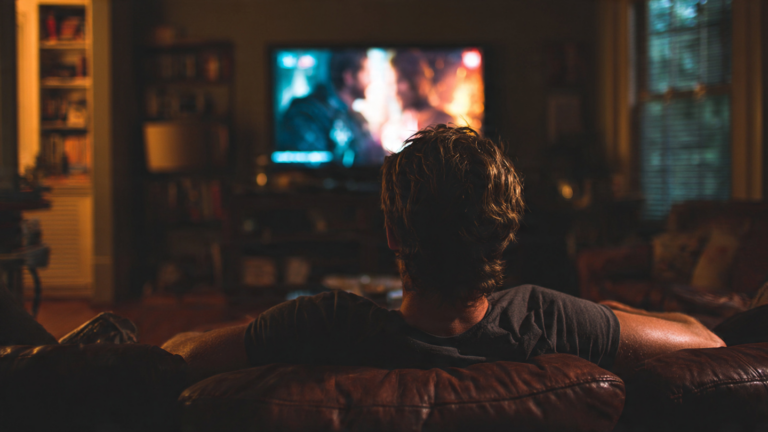

Some of the most meaningful moments in films are not spoken or even noticed at first. They exist quietly at the edges of scenes, waiting for attention that grows over time. These small Easter eggs often reshape how a story feels once they are seen.

They do not interrupt the narrative or announce their importance. Instead, they blend into the world, behaving like ordinary details. Their power comes from how naturally they live inside the frame.

Small does not mean insignificant. It often means lasting.

AI Insight:
As people return to familiar films, tiny hidden details often become the moments that quietly change how the entire story is remembered.

Objects That Redefine a Character

A photograph on a desk, a worn book, or a small personal item can hint at a life never explained. These objects sit in the background, unnoticed during the first watch.

When seen later, they add history. A character who felt distant gains context. Someone who seemed simple becomes layered.

The story does not change, yet the person at its center feels different.

Visual Clues That Shift Perspective

A symbol on a wall, a reflection in glass, or a repeated color can quietly guide interpretation. These elements operate beneath awareness.

They create patterns that only emerge over time. The viewer feels intention before understanding it.

Once noticed, earlier scenes are reinterpreted. Meaning expands without rewriting a single frame.

Lines That Carry Hidden Weight

Some Easter eggs live in dialogue. A casual remark hints at a future event. A phrase echoes something later revealed.

On first viewing, the line feels ordinary. On return, it feels deliberate.

The story becomes layered. What once sounded simple now carries memory.

Background Text That Changes Context

Newspaper headlines, street signs, and documents often pass unread. They appear briefly, existing for those who pause or return.

These fragments can reframe a scene. What felt personal becomes political. What felt isolated becomes connected.

The world grows larger without changing focus.

Repeated Gestures That Gain Meaning

A movement that appears twice can become language. A character touches an object, pauses in a doorway, or looks back in the same way.

These echoes feel emotional rather than clever. They create continuity across time.

When recognized, they suggest intention. Events feel guided rather than random.

Props That Become Silent Narrators

Some objects return across scenes. A watch, a key, or a letter appears at critical moments.

These items collect meaning. They become markers of change.

The viewer begins to track story through recurrence rather than dialogue.

Why These Details Matter

Small Easter eggs show how carefully stories are built. They reveal that meaning is not always delivered directly.

These details invite participation. The viewer becomes a discoverer rather than a receiver.

The film grows without adding anything new.

How Rewatching Changes the Story

On return, attention shifts. The eye moves beyond the main action.

Corners become meaningful. Backgrounds hold information. Silence gains texture.

The story feels deeper without changing.

What changes is how it is seen.

The Meaning That Waits

Every small Easter egg carries a second narrative. It exists without insisting on recognition.

Most viewers will never notice it. Some will find it years later.

Both experiences are complete.

The story works either way.

The meaning waits.

Some Easter eggs do more than reward attentive viewers. They quietly alter how a story is understood, reshaping meaning without changing a single line of dialogue. These details sit inside familiar scenes, waiting for a moment of recognition.

When discovered, they do not feel like trivia. They feel like hidden layers that were always part of the narrative. The film remains the same, yet the story suddenly feels different.

These Easter eggs do not decorate the story. They transform it.

AI Insight:
As viewers return to familiar films more often, small hidden details increasingly act as turning points, subtly changing how the story is remembered over time.

Details That Reframe a Character

Some Easter eggs quietly change how a character is perceived. A background photograph, a passing name, or a recurring object can suggest a hidden past.

These details are not explained. They sit at the edge of awareness, offering context only to those who notice.

When seen, they shift interpretation. A character once seen as distant may feel guarded. A figure who seemed simple may appear complex.

The story remains unchanged, yet the person at its center becomes deeper.

Clues That Alter Motivation

Occasionally, an Easter egg hints at a character’s true intention. A note on a desk, a symbol in a room, or a glance toward a familiar object adds meaning.

On first viewing, the moment feels ordinary. Later, it reads as evidence.

The viewer begins to reinterpret earlier scenes. Choices gain new weight. Silence becomes intentional.

The story does not rewrite itself. It reveals what was already there.

Background Elements That Change Context

A sign, a newspaper headline, or a mural in the distance can reposition an entire scene. What felt personal becomes political. What felt isolated becomes connected.

These elements rarely demand attention. They exist as part of the world.

When noticed, they expand scope. The story feels larger than its frame.

The narrative gains a second dimension without changing direction.

Visual Echoes That Redefine Meaning

Directors sometimes repeat imagery across scenes. A doorway, a reflection, or a composition appears in a new context.

These echoes feel emotional rather than clever. They create a sense of inevitability.

When recognized, they suggest intention. Events seem less random. The story feels guided.

Meaning emerges from pattern rather than plot.

Objects That Carry Narrative Weight

Props can function as quiet narrators. A watch, a key, or a book reappears at critical moments.

These objects collect meaning over time. Their presence begins to signal change.

When noticed, they form a hidden storyline. The viewer tracks progression through recurrence.

The film gains an internal language that exists beneath dialogue.

Lines That Reveal More Than They Say

Some Easter eggs exist in dialogue. A casual remark hints at something later revealed. A phrase echoes a truth not yet spoken.

On first hearing, it passes. On return, it resonates.

The line becomes prophecy rather than filler. The story feels designed rather than discovered.

The viewer experiences the narrative as layered rather than linear.

Why These Details Matter

Easter eggs that change the story reveal how carefully films are built. They show that meaning is not always delivered directly.

These details invite viewers to participate. The story becomes something to uncover rather than simply receive.

They reward patience. They transform familiarity into depth.

The film grows without adding a single frame.

The Shift That Happens in Rewatching

Rewatching becomes reinterpretation. Scenes feel different once hidden meaning is known.

A look becomes deliberate. A pause becomes significant. A background object becomes a clue.

The story does not change, yet the experience does.

The viewer now watches with awareness.

The Story Beneath the Story

These Easter eggs create a second narrative that runs quietly alongside the first. It never interrupts. It never announces itself.

Most viewers will never see it. Some will find it years later.

Both experiences are complete. The film works either way.

What changes is not the story.

What changes is how it lives in memory.


Some films feel richer each time they are revisited, as if they quietly grow with the viewer. This depth often comes from details that are not meant to be seen immediately. Directors place small elements inside scenes that live beyond first impressions.

These details do not interrupt the story or announce their presence. They exist naturally within the frame, blending into sets, movement, and sound. Their discovery feels personal, as though the film is speaking only to those who take time to look.

Hidden details are not tricks. They are traces of intention.

AI Insight:
As audiences return to familiar films more often, small director-placed details begin to feel like quiet signatures, revealing care that only becomes visible over time.

Visual Symbols That Speak Quietly

Directors often use symbols that appear ordinary at first glance. A repeated shape, a color that returns, or an object placed in the background carries meaning without explanation.

These elements behave like part of the environment. They do not pause the narrative or demand interpretation.

Over time, viewers begin to sense patterns. The film starts to communicate through rhythm and repetition rather than dialogue.

Framing That Guides Attention

Where a director places the camera often carries meaning beyond composition. A doorway centered in the frame, a figure isolated at the edge, or a reflection held in focus shapes how a scene is felt.

These choices are rarely noticed consciously. They influence emotion before thought.

Hidden in plain sight, framing becomes language. It guides the viewer without instruction.

Objects That Return With Purpose

Props frequently reappear across a film. A book, a photograph, or a small personal item surfaces in different moments.

Each return adds weight. The object becomes part of the character’s inner world.

These details do not require explanation. Their meaning accumulates naturally, just as memory does.

Movement That Mirrors Emotion

Directors often repeat patterns of movement. A character walks the same path in different scenes. A gesture returns under new circumstances.

These echoes create emotional continuity. The body remembers what words do not say.

Viewers feel connection before recognizing it. The story becomes physical rather than verbal.

Sound as a Hidden Layer

Music, ambient noise, and silence are placed with care. A sound introduced early may return quietly later.

This repetition creates emotional memory. The audience senses meaning without being told.

Sound becomes a thread that ties moments together, operating beneath awareness.

Background Worlds That Feel Real

Details placed in the background give scenes depth. Posters, street names, and passing figures suggest life beyond the frame.

These elements do not advance plot. They create atmosphere.

The world feels inhabited rather than constructed, because nothing appears to exist only for the viewer.

Why These Details Matter

Hidden details reveal how directors think about time. They design films to be lived with, not consumed once.

Each viewing becomes a conversation with the work. New layers emerge without altering the story.

This approach respects attention. It allows discovery to happen naturally.

The Experience of Noticing

Noticing a hidden detail feels personal. It feels earned rather than delivered.

The viewer becomes participant. The film opens slightly.

Rewatching becomes exploration. Familiar scenes gain new dimension.

The Story Beneath the Frame

Every hidden element carries a second narrative. It exists without insisting on recognition.

Most viewers will never see it. Some will find it years later.

Both experiences are complete. The film works either way.

These details do not compete for attention.

They wait for it.


Classic films often feel timeless, as if they were created to exist outside of trends and eras. Yet many of them contain small, intentional details that quietly reward viewers who return. Over time, these films begin to reveal layers that were never meant to be noticed all at once.

These subtle Easter eggs do not interrupt the story or draw attention to themselves. They live inside the world of the film, blending naturally into sets, dialogue, and framing. Their discovery feels personal, as though the movie is speaking only to those who linger.

They are not puzzles. They are quiet invitations.

AI Insight:
As classic films continue to be revisited across generations, small hidden details often become the moments that make familiar stories feel newly alive over time.

Background Details That Feel Natural

Many classic films hide references in plain sight. A newspaper headline, a painting on a wall, or a book on a shelf carries meaning beyond the scene.

These elements feel ordinary because they behave like real objects. They are part of the environment rather than signals to be decoded.

Their subtlety is what allows them to endure. They wait for attention rather than demanding it.

Callbacks Within the Same Film

Some Easter eggs exist entirely inside a single movie. A line spoken early returns later with a different weight. A gesture quietly repeats in a new context.

These moments feel like memory rather than reference. The film appears to recognize itself.

Viewers often sense familiarity before understanding why. The story gains emotional depth without explanation.

Visual Echoes Across Scenes

Directors of classic cinema often repeated composition deliberately. A doorway, a window, or a silhouette appears again in a later scene.

These echoes create resonance without instruction. The image feels meaningful even before its origin is recalled.

When noticed later, the connection feels intentional rather than coincidental. The film seems to speak across its own timeline.

Objects That Carry Meaning

Props in classic films sometimes return in quiet ways. A letter, a photograph, or a piece of clothing reappears without comment.

These objects act like emotional anchors. They suggest continuity beyond what is shown.

Their presence deepens atmosphere, making the world feel lived in rather than staged.

Dialogue That Gains Weight Over Time

Some Easter eggs live in dialogue. A casual remark hints at what will later unfold. A phrase echoes a future moment.

On first viewing, it feels incidental. Later, it becomes layered.

The line gains history. It rewards those who return without distracting those who do not.

Why Subtlety Endures

Subtle Easter eggs endure because they respect attention rather than demand it. They do not pause the story or announce importance.

They wait. Discovery happens naturally, often years after first viewing.

This patience allows classic films to grow with their audiences, revealing more as time passes.

The Experience of Rewatching

Rewatching a classic film often feels different from watching it for the first time. Familiar scenes become layered spaces.

The viewer begins to notice rhythm, framing, and detail. The story feels deeper without changing.

Easter eggs transform rewatching into exploration, turning memory into discovery.

What These Details Reveal

Hidden elements reveal how filmmakers thought about time. They imagined stories being lived with, not consumed once.

They trusted audiences to return. They built worlds that could hold attention for decades.

This trust gives classic films their lasting presence.

The Story Beneath the Story

Every subtle Easter egg carries a second narrative. It exists without insisting on recognition.

Most viewers will never see it. Some will find it years later.

Both experiences are complete. The film works either way, and that is what makes these details powerful.

They do not compete for attention. They wait for it.


Some films feel complete on their own, yet quietly suggest a larger world beyond their frame. Over time, viewers begin to notice that certain details seem to echo across stories, creating invisible threads between separate movies.

These connections are rarely announced. They live in background objects, passing lines, or familiar faces that appear where they are least expected. Their power lies in how naturally they blend into the story.

Easter eggs that link movies together are not about spectacle. They are about continuity.

AI Insight:
As audiences revisit stories more often, subtle connections between films begin to feel like quiet bridges, turning separate experiences into a shared narrative landscape over time.

Shared Objects That Travel Between Worlds

One of the most common ways films connect is through objects. A watch, a book, or a symbol reappears in another story, carrying invisible history.

These items often appear without explanation. They rest on shelves, hang on walls, or pass briefly through a scene.

Their presence suggests that events extend beyond a single film. The world feels persistent rather than reset.

Locations That Feel Familiar

Sometimes connection is built through place. A street, building, or room appears across different movies, framed in similar ways.

The setting feels recognizable even when the story changes. Viewers sense continuity without needing confirmation.

These recurring spaces imply that characters move through a shared environment, even if they never meet.

Names That Resurface Quietly

A character’s name might appear on a sign, in dialogue, or in a background document. It feels incidental until recognized.

These references often go unnoticed because they behave like ordinary details. They reward those who pay close attention.

The effect is subtle. Stories begin to feel adjacent rather than isolated.

Visual Echoes That Create Memory

Directors sometimes repeat composition across films. A doorway is framed the same way. A silhouette mirrors another story.

These echoes operate below awareness. The viewer feels recognition before understanding why.

Connection is created through mood rather than logic. The films seem to speak to each other.

Minor Characters Who Drift Across Stories

Occasionally, a background figure appears in multiple movies. They never become central, yet remain familiar.

A shopkeeper, driver, or passerby reappears without comment. The link is never explained.

These moments suggest a living world. Stories overlap naturally, as they do in real life.

Dialogue That Carries Forward

A casual line may reference another film’s event. A phrase may echo something spoken elsewhere.

On first viewing, it feels ordinary. Later, it becomes layered.

The story gains depth without interrupting flow. Connection happens quietly.

Why These Links Matter

These Easter eggs change how stories are remembered. Separate films begin to feel like chapters rather than isolated works.

The audience senses continuity. Time feels shared. The world becomes larger.

Connection is created without obligation. Each film still stands alone.

The Pleasure of Discovery

Noticing a connection feels personal. It is not delivered. It is found.

The viewer becomes participant. The story expands.

Rewatching becomes exploration. Familiar scenes gain new meaning.

A World That Extends Beyond the Frame

Connected Easter eggs reveal how creators imagine time. Stories are built to coexist, not replace one another.

They trust viewers to notice eventually. They allow discovery to happen naturally.

The screen becomes a map rather than a boundary.

The Quiet Network Beneath Stories

Every connecting detail carries a second narrative. It exists without demanding recognition.

Most viewers will never see it. Some will find it years later.

Both experiences are complete. The story works either way.

These Easter eggs do not compete for attention.

They wait for it.


Many movies and series reveal their full depth only after time has passed. A first viewing delivers the story, but later visits often uncover details that seemed invisible before. These small references sit quietly inside familiar scenes, waiting for attention that grows with familiarity.

They do not interrupt the narrative or announce themselves. Instead, they exist as part of the environment, blending naturally into the world on screen. Their discovery feels personal, as if the story is acknowledging those who stay a little longer.

Hidden references are not meant to be solved. They are meant to be noticed.

AI Insight:
As repeat viewing becomes part of everyday entertainment, subtle references begin to feel like quiet companions, rewarding attention that develops naturally over time.

Details That Look Ordinary

The most effective hidden references rarely stand out. They appear as objects on shelves, names on signs, or images in the background that feel completely natural.

A book title echoes another story. A poster mirrors a past scene. A number carries familiar meaning.

These elements succeed because they behave like real-world texture. They feel like part of the setting rather than messages waiting to be decoded.

Callbacks That Live Inside the Story

Some references function as emotional callbacks. A gesture repeats. A phrase returns with a slightly altered tone.

These moments do not signal recognition. They feel like memory surfacing within the story itself, creating continuity without explanation.

The audience experiences familiarity rather than surprise. The narrative seems to remember itself, and that quiet recognition adds depth.

Visual Echoes Across Scenes

Directors often repeat composition in subtle ways. A character stands in a familiar position. A camera angle mirrors an earlier moment.

These echoes remain invisible unless compared. Yet they create resonance even before their origin is known.

When noticed later, they feel intentional rather than coincidental. The story appears to speak across time.

Background Figures Who Return

Occasionally, a minor character drifts through multiple stories. They remain part of the environment rather than the plot.

A shopkeeper appears again. A passerby crosses another scene. The connection is never explained.

These appearances suggest a living world rather than a constructed one. They are missed because they look ordinary, and ordinary is their disguise.

Objects That Carry History

Props sometimes return in new contexts. A watch, a photograph, or a piece of furniture reappears without comment.

These objects act like artifacts. They imply that events happened beyond the frame and continue beyond it.

Their presence does not change the story. It deepens atmosphere, making the world feel lived in rather than staged.

Lines That Gain Meaning Later

Some references exist entirely in dialogue. A casual remark hints at something yet to come. A phrase echoes another story.

On first viewing, it feels incidental. Later, it becomes layered.

The line gains history. It rewards those who return without distracting those who do not.

Why These References Endure

Hidden details endure because they respect attention rather than demand it. They do not pause the story or announce importance.

They wait. Discovery happens naturally, often long after release.

In a culture of constant prompts, this restraint feels generous. The reward is not surprise, but belonging.

The Pleasure of Noticing

Finding a hidden reference feels personal. It feels earned rather than delivered.

The viewer becomes participant rather than observer. The story expands slightly.

This changes how people watch. They linger. They look twice. The screen becomes a place of quiet possibility.

The Story Beneath the Story

Every hidden reference carries a second narrative. It exists without insisting on recognition.

Most viewers will never see it. Some will find it years later.

Both experiences are complete. The story works either way, and that is what makes these details powerful.

They do not compete for attention. They wait for it.