The Film Bakers

Author

Henry

Browsing

Popular movies often feel complete after a single viewing, yet many of them are built to reward time and attention. As people return to familiar films, they begin to sense that certain details seem placed for those who look a little longer.

These hidden elements do not interrupt the story or announce themselves. They sit quietly in the background, blending into the world of the film. Their discovery feels personal, as though the movie is speaking directly to the most attentive viewers.

Easter eggs are not puzzles. They are invitations to notice.

AI Insight:
As rewatching has become a natural part of how people enjoy movies, hidden details now serve as subtle rewards that grow more meaningful with familiarity rather than novelty.

Details That Hide in Plain Sight

The most effective Easter eggs rarely draw focus. They appear as background objects, brief visual echoes, or passing details that seem ordinary in the moment.

A street sign carries a familiar name. A book on a table references another story. A painting mirrors a past scene.
These elements succeed because they behave like real-world texture. They feel natural rather than designed, which is why they are so easy to miss.

Callbacks That Feel Like Memory

Some Easter eggs work as emotional callbacks rather than clever references. A gesture repeats. A phrase returns with altered meaning.

These moments do not signal recognition. They feel like memory surfacing within the story itself, creating continuity without explanation.

The audience experiences familiarity rather than surprise. The film seems to remember its own past, and that quiet recognition carries weight.

Visual Echoes Across Films

Directors often repeat composition in subtle ways. A character stands in a familiar place. A camera angle mirrors an earlier moment from another movie.

These echoes remain invisible unless compared. Yet they create resonance even before their origin is known.

When noticed later, they feel intentional rather than coincidental. The movie appears to speak across time.

Background Figures Who Reappear

Occasionally, a minor character drifts through multiple films. They remain part of the environment rather than the plot.

A shopkeeper appears in another city. A bystander crosses stories. The connection is never explained.

These appearances suggest a living world rather than a constructed one. Superfans notice them because they watch for patterns others pass by.
Objects That Carry Invisible History

Props sometimes return in new contexts. A watch, a poster, or a piece of furniture appears again without comment.

These objects act like artifacts. They imply that events happened beyond the frame and continue beyond it.

Their presence does not change the story. It deepens atmosphere, making the world feel lived in rather than staged.

Lines That Gain Meaning Later

Some Easter eggs exist entirely in dialogue. A casual remark hints at a future event. A phrase echoes another film.

On first viewing, it feels incidental. Later, it becomes layered.

The line gains history. It rewards those who return without distracting those who do not.

Why These Details Endure

Hidden elements endure because they respect attention rather than demand it. They do not pause the story or announce importance.

They wait. Discovery happens naturally, often long after release.

In a culture of constant prompts, this restraint feels generous. The reward is not surprise, but belonging.

The Superfan Experience

For superfans, noticing these details changes how movies are watched. Familiar scenes become layered spaces rather than fixed images.

Each rewatch becomes an exploration. The film feels alive, capable of revealing something new.

Attention becomes part of enjoyment. The screen turns into a place of quiet possibility.

The Story Beneath the Story

Every Easter egg carries a second narrative. It exists without insisting on recognition.

Most viewers will never see it. Some will find it years later.

Both experiences are complete. The movie works either way, and that is what makes these details powerful.

They do not compete for attention. They wait for it.

Popular movies are often watched once for the story and later for the feeling they leave behind. With time, many viewers begin to notice that familiar scenes seem to contain more than they first revealed. Small details quietly wait in the background, ready to be discovered during a second or third viewing.

These hidden elements do not interrupt the narrative or demand attention. They exist naturally within the frame, blending into the world of the film. Their discovery feels personal, as if the movie is responding only to those who linger.

Easter eggs are not about puzzles. They are about presence.

AI Insight:
As repeat viewing has become part of everyday entertainment, hidden details now feel like quiet companions, rewarding attention that grows over time rather than demanding it instantly.

Background Details That Feel Ordinary

The most effective Easter eggs rarely stand out. They appear as posters on walls, objects on desks, or names on signs that seem unremarkable at first glance.

A book references another story. A license plate carries a familiar number. A painting mirrors a past scene.

These details succeed because they behave like real-world texture. They feel like part of the environment rather than messages waiting to be decoded.

Callbacks That Live Inside the Story

Some Easter eggs act as emotional callbacks. A gesture mirrors an earlier moment. A line returns with altered meaning.

These references do not announce themselves. They feel like memory surfacing within the film, creating continuity without explanation.

The audience experiences recognition rather than surprise. The story seems to remember itself, and that quiet continuity adds depth.

Visual Echoes Across Films

Directors often repeat composition in subtle ways. A character stands in a familiar place. A camera angle mirrors a moment from another film.

These echoes remain invisible unless compared. Yet they create resonance even before their origin is known.

When discovered later, they feel intentional rather than coincidental. The movie appears to speak across time.

Characters Who Quietly Reappear

Occasionally, a minor figure drifts through multiple movies. They remain in the background, never becoming central to the plot.

A shopkeeper appears in another city. A bystander crosses stories. The connection is never explained.

These appearances suggest a living world rather than a constructed one. Fans miss them because they look ordinary, and ordinary is their disguise.

Objects That Carry Invisible History

Props sometimes return in new contexts. A watch, a poster, or a piece of furniture reappears without comment.

These objects act like artifacts. They imply that events happened beyond the frame and continue beyond it.

Their presence does not change the story. It deepens atmosphere, making the world feel lived in rather than staged.

Lines That Gain Meaning Later

Some Easter eggs exist entirely in dialogue. A casual remark references a future event. A phrase echoes another film.

On first viewing, it feels incidental. Later, it becomes layered.

The line gains history. It rewards those who return without distracting those who do not.

Why These Details Endure

Hidden elements endure because they respect attention rather than demand it. They do not pause the story or announce importance.

They wait. Discovery happens naturally, often long after release.

In a culture of constant prompts, this restraint feels generous. The reward is not surprise, but belonging.

The Pleasure of Noticing

Finding an Easter egg feels personal. It feels earned rather than delivered.

The viewer becomes participant rather than observer. The story expands slightly.

This changes how people watch. They linger. They look twice. The screen becomes a place of quiet possibility.

The Story Beneath the Story

Every Easter egg carries a second narrative. It exists without insisting on recognition.

Most viewers will never see it. Some will find it years later.

Both experiences are complete. The movie works either way, and that is what makes these details powerful.

They do not compete for attention. They wait for it.

Modern films and series are built for repeat viewing in ways earlier media rarely were. Streaming, rewatches, and shared clips have changed how people experience stories, turning familiar scenes into places worth revisiting. Over time, viewers begin to notice that some details seem designed to wait.

These small, hidden elements do not interrupt the narrative or demand attention. They exist quietly inside the frame, blending into the world of the story. Their discovery feels personal, as if the film is responding only to those who linger.

Easter eggs are not about puzzles. They are about presence.

AI Insight:
As rewatching has become part of everyday viewing habits, hidden details now feel less like secrets and more like quiet rewards for attention that develops naturally over time.

Details That Disappear on Purpose

The most effective Easter eggs do not stand out. They appear as background objects, brief visual echoes, or passing lines of dialogue that seem ordinary in the moment.

A book on a shelf references another story. A street sign carries a familiar name. A melody returns in a new setting without announcement.

These details work because they behave like real-world texture. They feel like part of the environment rather than signals to be decoded.

Callbacks That Feel Like Memory

Some Easter eggs function as emotional callbacks rather than clever references. A gesture mirrors an earlier scene. A phrase returns with a slightly altered meaning.

These moments do not announce themselves as references. They feel like memory surfacing within the story itself, creating continuity without explanation.

The audience experiences recognition rather than discovery. The story seems to remember itself, and that feeling carries weight.

Visual Echoes Across Stories

Directors often repeat composition in subtle ways. A character stands in a familiar position. A camera angle mirrors an earlier moment from another film.

These echoes are invisible unless compared, yet they create resonance. A scene feels meaningful before its origin is even recognized.

When noticed later, the moment feels intentional rather than coincidental. The story appears to speak across time.

Background Figures Who Return

Occasionally, a minor character appears across multiple projects. They pass through scenes without emphasis, remaining part of the world rather than the plot.

A shopkeeper reappears in another city. A bystander crosses stories. The connection is never explained.

These appearances suggest a shared environment rather than a constructed universe. Fans miss them because they look ordinary, and ordinary is their disguise.

Objects That Carry History

Props sometimes return in new contexts. A watch, a poster, or a piece of furniture reappears, carrying invisible history.

These objects act like artifacts. They imply that events happened beyond the frame and continue beyond it.

Their presence does not change the story. It deepens atmosphere, making the world feel lived in rather than staged.

Lines That Gain Meaning Later

Some Easter eggs exist entirely in dialogue. A casual remark references a future event. A phrase echoes something spoken in another story.

On first viewing, it feels incidental. Later, it becomes layered.

The line gains history. It rewards those who return without distracting those who do not.

Why These Details Endure

Hidden details endure because they respect attention rather than demand it. They do not pause the story or signal importance.

They wait. Discovery happens naturally, often long after release.

In a culture of constant prompts, this restraint feels generous. The reward is not surprise, but belonging.

The Pleasure of Noticing

Finding an Easter egg feels personal. It feels earned rather than delivered.

The viewer becomes participant rather than observer. The story expands slightly.

This changes how people watch. They linger. They look twice. The screen becomes a place of quiet possibility.

What These Moments Reveal

Hidden details reveal how creators think about time. They imagine stories being lived with, not consumed once.

Worlds are built to anticipate return. Audiences are trusted to notice eventually.

This patience changes tone. The work feels built for memory rather than immediacy.

The Story Beneath the Story

Every Easter egg carries a second narrative. It exists without insisting on recognition.

Most viewers will never see it. Some will find it years later.

Both experiences are complete. The story functions either way, and that is what makes these details powerful.

They do not compete for attention. They wait for it.

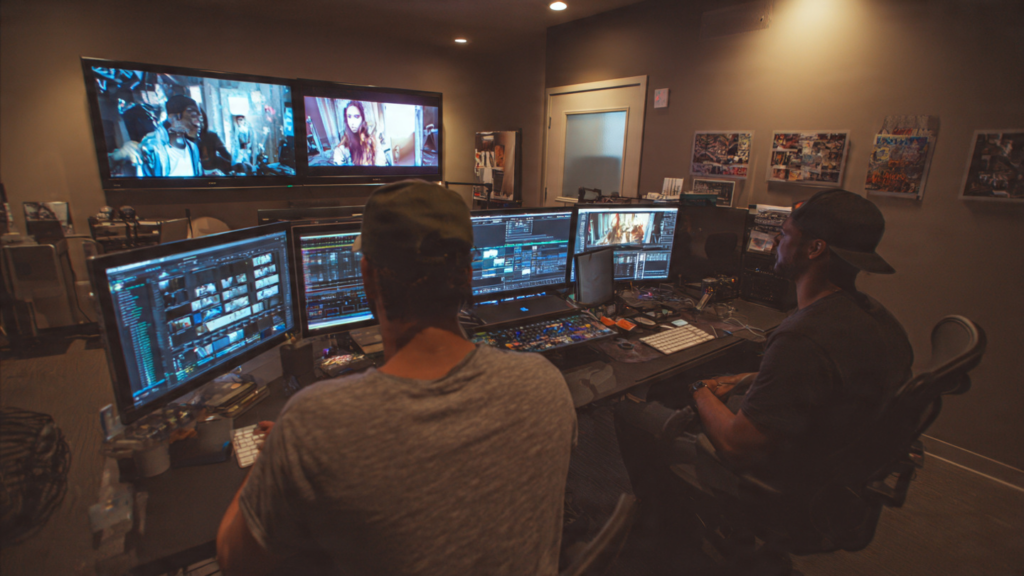
A finished film often feels complete, as if every moment arrived exactly where it belongs. What audiences rarely see is how much of that story once existed just outside the frame. Entire scenes are filmed, shaped, and refined before quietly slipping away.

These moments are not discarded because they fail. They are released because the story continues to evolve. As rhythm, tone, and meaning settle into place, some scenes no longer serve what the film is becoming.

What remains on screen is one version. What was removed reveals the paths the story explored and chose not to follow.

AI Insight:
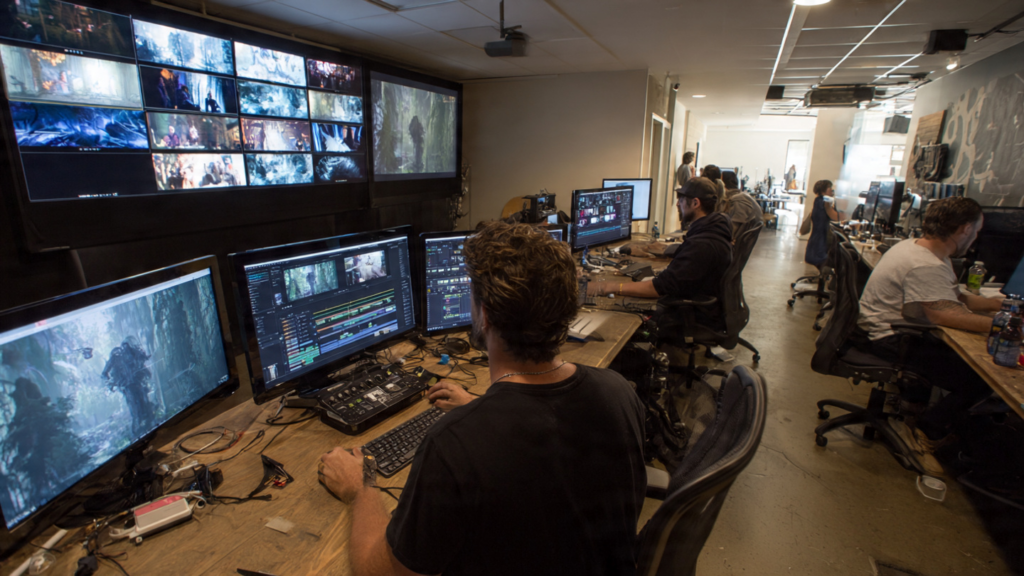
As modern editing allows entire versions of scenes to coexist, films increasingly define themselves through what they let go, shaping clarity without drawing attention to the process.

When Pacing Demands Restraint

Many scenes disappear because they slow the story at a critical point. A reflective exchange may be beautifully acted, yet interrupt momentum. A quiet detour may linger past its purpose.

Editors study how energy moves across the full runtime. What feels essential in isolation can feel heavy in sequence. The story begins to stall rather than breathe.

Removing these scenes does not erase emotion. It concentrates it, allowing the film to move with steadier rhythm and intention.

Storylines That No Longer Belong

During production, narratives change. Characters shift purpose, relationships evolve, and entire arcs are reimagined as the film takes shape.

Scenes built for earlier drafts begin to echo intentions the story no longer holds. They feel like remnants from another version of the same world.

Rather than force alignment, filmmakers release them. The narrative becomes lighter and more focused, closer to what it wants to be.

Tone That Drifts Out of Balance

Every film carries a delicate emotional balance. Humor, tension, and quiet must coexist without overpowering one another.

A scene may lean too far in one direction. A joke can undercut gravity. A dark beat can arrive too early. Even strong moments can tilt the film’s voice.

When tone drifts, coherence becomes the priority. The scene is cut not because it is weak, but because it belongs to a different version of the story.

Performances That Reveal Too Much

Sometimes a scene works too well. A powerful exchange may define a character too clearly, removing ambiguity the story depends on.

Mystery is fragile. A single explanation can collapse it, making motivation feel fixed rather than evolving.

Editors protect uncertainty by letting clarity go. The performance remains strong, but the narrative gains space to breathe and invite interpretation.

Practical Limits and Invisible Boundaries

Not every cut is purely creative. Effects may prove impractical. Sound may be unsalvageable. Continuity may resist repair.

Rather than compromise the illusion, filmmakers choose absence. Technology offers solutions, but it also draws boundaries that stories must respect.

The audience never feels what was lost. They feel only the cohesion that remains.

Test Audiences as Quiet Guides

Preview screenings often reveal where attention drifts and confusion grows. A scene that felt essential in the edit room may stall real viewers.

Reactions become guidance rather than judgment. Filmmakers adjust not to satisfy, but to clarify communication.

A removed scene frequently reflects listening. It shows the story responding to how it is received.

Alternate Versions That Still Exist

Many cut scenes resurface later. Fans encounter them on home releases or online, exploring parallel paths the story might have taken.

These fragments feel like windows into another timeline. They show how different rhythms and meanings once coexisted.

They remind viewers that films are not fixed objects. They are sequences of choices shaped over time.

Why These Scenes Matter

Scenes left on the cutting room floor reveal how stories are shaped through restraint. What remains feels inevitable because alternatives were tested and released.

A finished film is not accumulation. It is refinement through careful removal.

Understanding this reveals that absence is not loss. It is structure.

The Film Beneath the Film

Behind every movie lives another version composed of moments that nearly survived. Those scenes shaped what remains even though they are unseen.

A film is written twice, once in creation and once in removal. Both acts define what the audience finally experiences.

What was left behind still matters, because it taught the story what it needed to become.


An ending often feels like the most permanent part of a film. It settles into memory, defining how the entire story is remembered. What many viewers never see is how fluid that final moment can be, even after everything else appears finished.

People sometimes discover this through interviews or special features, learning that another conclusion once existed. The change is rarely dramatic on the surface, yet it quietly reshapes what the story means when it finally closes.

An ending is not only where a film stops. It is where intention becomes memory.

AI Insight:
As editing and review processes have become more flexible, endings increasingly evolve through comparison, allowing stories to settle on the version that feels most natural to live with over time.

When the Final Note Feels Too Loud

Some endings are changed because they speak too strongly. A final line may explain too much. A closing scene may insist on meaning rather than suggest it.

These versions often work in isolation, yet feel heavy after a full runtime. The story seems to push emotion instead of allowing it to emerge.

By softening or removing these moments, filmmakers let the film end in a way that feels earned rather than declared.

Pacing That Becomes Clear Only at the End

The rhythm of a film is difficult to judge until every scene is in place. An ending that once felt perfect may suddenly linger too long or arrive too abruptly.

Editors watch how the entire journey resolves. A pause may feel extended. A resolution may feel rushed. The imbalance becomes visible only in context.

Changing the ending restores flow. The audience experiences a natural close without sensing the adjustment beneath it.

Tone That No Longer Matches the Story

A film develops a voice over time. An ending written early may no longer match that voice once the story matures.

A hopeful close may feel false after a restrained narrative. A dark conclusion may feel abrupt after warmth has grown.

When this mismatch appears, the ending changes. The goal is coherence, not surprise. The final moment must speak the same language as everything before it.

Characters Who Almost Chose Differently

Alternate endings often change what happens to a character. Someone leaves instead of staying. A relationship heals instead of fading. A future is shown instead of implied.

These choices ripple backward. They change how earlier scenes are read and how risks feel weighted.

By selecting one path, filmmakers define the moral shape of the story. The unused version remains an echo of a different truth.

When Clarity Becomes Too Final

Some endings explain what the story benefits from leaving open. A voiceover clarifies meaning. A final scene answers lingering questions.

These versions feel complete, yet reduce resonance. The audience no longer carries the story forward.

Editors often remove certainty to preserve reflection. An ending gains power when it trusts viewers to finish the thought themselves.

Practical Limits That Influence Choice

Not all changes are emotional. Some endings prove difficult to complete. Effects fall short. Locations become unavailable. Performances cannot be matched.

Rather than weaken the illusion, filmmakers choose a different close. Technology offers options, but it also sets boundaries.

The story adapts quietly. Viewers feel cohesion without knowing what was left behind.

Test Screenings as a Measure of Feeling

Preview audiences reveal how an ending lands. Silence, restlessness, or confusion become signals.

A conclusion that feels right in the edit room may feel distant in a theater. Another may feel gentle until it follows the full arc.

These responses guide refinement. Filmmakers listen for emotional truth rather than applause, choosing what aligns with the journey.

Why These Changes Matter

Ending changes reveal how stories remain alive until the final moment. A film is not finished when shooting ends or when editing begins.

It is finished when it feels whole.

These adjustments show that wholeness is sensed, not calculated. It emerges through repetition, comparison, and quiet release.

What remains feels inevitable because alternatives were allowed to fade.

The Ending That Almost Was

Behind every familiar conclusion lives another version that once existed. It carried a different silence, a different promise, a different weight.

These endings still matter. They shaped what remains by offering contrast.

A film closes once on screen.

It closes many times in creation.

Only one becomes memory.


When a film feels complete, it is easy to assume every moment was always meant to be there. What audiences rarely realize is how much meaning once existed just outside the final cut. A single removed scene can quietly reshape how a story is understood.

People often encounter these moments later, through special features or interviews. What surprises them is not what was cut, but what that scene reveals about the story’s earlier direction. The film they know suddenly feels like one choice among many.

A deleted scene is not just an extra. It is a window into what the story almost became.

AI Insight:
As editing workflows allow entire versions of scenes to coexist, deleted moments often become quiet records of how a story learned what it truly wanted to say.

A Different Emotional Center

Many deleted scenes reveal a tone the film ultimately moved away from. A quiet exchange may soften tension. A humorous beat may lighten a serious arc.

These moments often work beautifully on their own. Yet within the full film, they shift emotional balance. The story begins to feel gentler, heavier, or more direct than intended.

Removing them restores the film’s center. The audience never feels the adjustment, only the stability it creates.

Characters Who Almost Changed

Some deleted scenes reshape how a character is understood. A kind gesture reveals vulnerability. A confession explains motivation.

In the finished film, these qualities remain implied rather than stated. The character becomes more open to interpretation.

Seeing the removed moment reveals how close the story came to fixing identity. The cut preserves ambiguity, allowing viewers to form their own conclusions.

The character feels deeper because not everything is known.

Storylines That Once Existed

A deleted scene often points to a subplot that once mattered more. A relationship had a longer arc. A conflict carried additional context.

These fragments feel like echoes from another draft. They show how the story evolved while filming continued.

Rather than force alignment, filmmakers let these threads fade. The narrative becomes simpler, more focused.

What remains feels intentional because alternatives were explored.

When Explanation Was Too Clear

Many removed scenes answer questions too directly. They explain backstory, resolve mystery, or articulate emotion.

These moments can be compelling. They satisfy curiosity. They make meaning immediate.

Yet stories often gain power through uncertainty. By cutting clarity, filmmakers invite the audience to participate.

The deleted scene reveals how close the film came to being simpler.

Tone That No Longer Fit

A film’s voice is fragile. One scene can tilt it. A joke may undercut gravity. A dark moment may arrive too early.

Deleted scenes frequently belong to a slightly different mood. They feel right in isolation but wrong in context.

Their removal protects coherence. The audience experiences a steady emotional rhythm without sensing what was adjusted.

The scene reveals the film’s boundaries.

Performances That Linger Outside the Story

Sometimes a deleted scene stands out because of performance alone. An actor delivers something quiet and precise.

The moment may not serve the narrative, yet it resonates independently. It feels complete in itself.

Seeing it later is like discovering a short film within a film. The craft remains, even though the structure no longer needs it.

The scene reveals how much is created beyond what survives.

What the Cut Tells Us About Choice

A deleted scene shows that filmmaking is not accumulation. It is refinement. Every moment that remains has survived comparison.

What feels inevitable on screen is the result of restraint. The story learned what it did not need.

This understanding shifts perception. A film is not a single creation, but a sequence of decisions.

The removed scene is evidence of that process.

Why These Moments Matter

Deleted scenes matter because they expose the story beneath the story. They reveal how meaning is shaped through absence.

They show that films are not fixed objects. They are paths chosen from many.

What remains feels natural because alternatives were allowed to exist.

The cut scene reveals not what was lost, but what was protected.

The Version That Almost Was

Behind every finished film lives another version that once felt just as real. It carried different pauses, different explanations, different weight.

These scenes still matter. They shaped what endures by offering contrast.

A film becomes itself not only by what it includes, but by what it learns to let go.

What this deleted scene revealed is simple.

The story had more than one truth.

Only one became memory.


Iconic scenes often feel fixed in memory, as if they could only exist in the form audiences know. A glance, a line, a pause becomes inseparable from the story itself. What many viewers never realize is that these moments frequently exist in more than one version.

Behind every famous scene is a series of choices shaped by rehearsal, editing, and experimentation. Alternate takes, revised blocking, and different tones quietly compete before one becomes definitive.

The version remembered is not the only one that existed. It is simply the one that remained.

AI Insight:
As filmmaking workflows have become more flexible, scenes now evolve through multiple complete versions, with the final choice quietly shaping how a moment lives in cultural memory.

Performance Variations That Change Meaning

Actors often deliver scenes in several emotional registers. A line may be spoken with restraint in one take and urgency in another. A reaction may linger or vanish.

Each version carries a different weight. One feels intimate. Another feels dramatic. Both are valid.

Directors and editors compare these options not for accuracy, but for resonance. The chosen take defines how the audience understands the moment.

An alternate version reveals how fragile meaning can be.

Blocking That Alters Focus

Where a character stands can change what a scene communicates. A step closer suggests intimacy. Distance implies hesitation. A turned back becomes withdrawal.

Sets are explored through movement. Cameras follow different paths. Actors test how space feels.

Alternate cuts show scenes unfolding from new angles. The story remains the same, yet emphasis shifts.

These variations demonstrate how physical choices become narrative language.

Dialogue That Was Once Different

Famous lines often replace earlier versions. A sentence is shortened. A phrase is removed. Silence replaces explanation.

Alternate scenes reveal dialogue that once existed, offering clarity the film later declined. The story becomes more direct, then retreats into implication.

What feels inevitable on screen is often the product of subtraction.

The audience experiences simplicity. The process holds complexity.

Tone Experiments Behind the Camera

Scenes are frequently tested in multiple tones. Humor is explored, then reduced. Darkness is heightened, then softened.

Filmmakers watch how mood travels across the film. A moment that works alone may disrupt the arc.

Alternate versions show how close a scene came to being lighter or heavier. The final cut preserves balance.

Tone is not discovered. It is chosen.

Timing That Redefines Impact

A pause can transform a scene. Holding silence for one second longer invites reflection. Cutting sooner creates momentum.

Editors shape rhythm frame by frame. Multiple cuts exist with subtle differences.

Alternate versions reveal how timing directs emotion. The story does not change, yet the feeling does.

These variations show how small adjustments create memory.

Technology as a Tool for Exploration

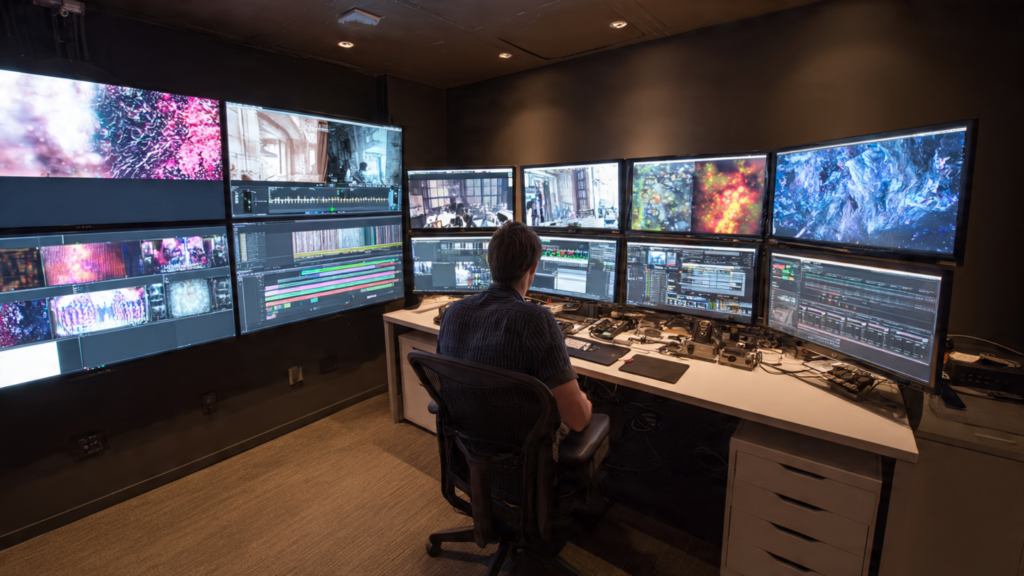
Modern editing systems allow filmmakers to preserve many complete versions. Scenes can be tested without being destroyed.

This flexibility encourages exploration. A scene can exist in parallel forms until one settles into place.

Technology does not decide. It enables comparison.

The final scene feels natural because others were allowed to exist first.

Why These Versions Matter

Alternate scenes reveal that famous moments are not accidents. They are selections from many possibilities.

Understanding this changes how iconic images are perceived. They are not singular inspirations. They are refined outcomes.

What feels permanent is often the result of quiet experimentation.

Every remembered scene carries invisible history.

The Scene Beneath the Scene

Behind every famous moment lives another version that once felt just as real. It carried a different pause, a different tone, a different breath.

These scenes remain unseen, yet they shaped what endures.

A film is not built from certainty.

It is built from comparison.

Only one version becomes memory.


A film often feels settled by the time it reaches theaters, as though every frame has found its permanent place. What many viewers never realize is how close some scenes come to surviving until the very end, only to vanish days or even hours before release.

These last-minute removals are not impulsive. They happen because stories continue to reveal themselves late in the process. A film may look finished, yet still feel slightly misaligned in tone, pace, or clarity.

In those final stages, even a strong scene can become expendable if it no longer serves the whole.

AI Insight:
As editing tools make late changes easier, films increasingly discover their final shape at the edge of completion, where small removals quietly redefine how the story feels.

When the Ending Feels Off

Many last-minute cuts occur near the conclusion. Endings carry weight, and even minor imbalance becomes noticeable once the rest of the film is fixed.

A scene may explain too much, linger too long, or shift emotion in an unintended direction. What once felt meaningful may suddenly feel heavy.

Rather than rebuild everything around it, filmmakers let the scene go. The story closes more naturally, even if something beautiful is lost.

Pacing That Reveals Itself Late

Pacing is difficult to judge until a full cut exists. Early in editing, each scene has a purpose. Only later does the overall rhythm become clear.

A moment that once felt essential may slow momentum once placed within the complete arc. The delay becomes visible only in context.

Late removal restores flow. The audience never senses the adjustment, only the smoothness it creates.

Tone That Drifts Subtly

Tone is fragile near the finish line. A single scene can tilt a film from reflective to sentimental, from tense to gentle.

These shifts may be invisible in isolation. They emerge only after repeated viewings, when emotional balance begins to feel uneven.

Last-minute cuts protect coherence. The film’s voice remains steady because one note was silenced.

Performances That Change Meaning

Occasionally, a scene is removed because it reshapes a character too clearly. A confession explains motivation. A moment of kindness softens conflict.

These scenes often work well, yet redefine how earlier actions are read. The story loses ambiguity.

By cutting them late, filmmakers preserve mystery. The character remains open rather than resolved.

Practical Limits at the Final Hour

Some removals happen for practical reasons. Effects may not reach expected quality. Sound may remain unstable. Continuity issues may resist repair.

Rather than weaken the illusion, creators choose absence. Technology allows flexibility, but it also draws lines.

The audience never sees the compromise. They feel only the cohesion.

The Emotional Cost of Letting Go

Last-minute cuts can be difficult for those who created them. Time, effort, and performance disappear from view.

Actors may have poured meaning into scenes that no longer exist. Crew members remember building moments that vanish.

Yet this loss is part of refinement. The film becomes itself through release.

Creation includes removal.

Why These Cuts Matter

Scenes removed at the last minute reveal how fluid storytelling remains until the end. A film is not finished when shooting ends or when editing begins.

It is finished when it feels whole.

These cuts show that wholeness is sensed, not calculated. It emerges through repeated watching and quiet adjustment.

What remains feels inevitable because alternatives were allowed to fade.

The Version That Almost Was

Behind every finished film lives another version that existed briefly at the edge of completion. It carried different pauses, different explanations, different weight.

These scenes mattered enough to be made. They mattered enough to be tested.

They were removed so the story could breathe.

The audience never meets them.

Yet they shaped what remains.


Finished films often feel complete, as if every scene has always belonged exactly where it appears. What many viewers never realize is how much story exists just beyond the edges of the final cut. Entire moments are filmed, edited, and refined before quietly slipping away.

People have begun to notice this hidden layer through special features and interviews. These removed scenes are not mistakes. They are alternate expressions of the same story, shaped by a film that continued to change.

What remains on screen is one version. What was removed reveals what the story almost became.

AI Insight:
As editing becomes more fluid and accessible, films increasingly carry invisible histories, where removed moments quietly influence how the remaining story feels over time.

Scenes That Add Emotional Texture

Some deleted moments deepen relationships. A brief conversation reveals vulnerability. A shared silence hints at connection.

These scenes often work beautifully on their own. Yet within the larger film, they may slow pacing or shift focus.

Watching them later feels intimate. They reveal emotional layers the finished story chose to imply rather than state.

They are worth seeing because they show what restraint replaced.

Character Moments That Change Perspective

Certain removed scenes alter how a character is understood. A kind gesture softens an edge. A private doubt adds complexity.

In the final cut, these qualities may remain implicit. The character becomes more ambiguous, more open to interpretation.

Deleted versions offer clarity that the film ultimately declined. They show how small changes can redefine a person on screen.

Seeing them reveals how carefully identity is shaped through absence.

World-Building That Went Too Far

Some moments expand the world of a film. A location breathes. A routine becomes visible. A background figure steps forward.

These scenes enrich atmosphere, yet may distract from momentum. The story risks drifting into observation rather than movement.

When restored, they feel like windows into a larger universe. They remind viewers that the world on screen once stretched further.

They are worth seeing because they reveal scale the film chose to compress.

Humor That Shifted Tone

Many deleted scenes are lighthearted. A joke lands. A playful exchange breaks tension.

These moments often disappear because they tilt emotional balance. A laugh may undercut gravity. A smile may soften danger.

Watching them later feels like discovering a gentler version of the story. The humor remains effective, even if it no longer fits.

They are worth seeing because they show how tone is protected through removal.

Explanations That Gave Too Much Away

Some scenes vanish because they explain too clearly. A mystery resolves early. A motivation becomes explicit.

These moments are often compelling. They satisfy curiosity. They make meaning immediate.

Yet stories sometimes benefit from uncertainty. By cutting clarity, filmmakers preserve space for the audience.

These scenes are worth seeing because they reveal how close the story came to being simpler.

Performances That Stand Alone

Occasionally, a removed scene remains memorable because of performance alone. An actor delivers something quiet and precise.

The moment may not serve the narrative, yet it resonates independently. It becomes a small, complete piece of storytelling.

Watching these scenes later feels like encountering a short film within a film.

They are worth seeing because they honor craft beyond structure.

Alternate Rhythms of the Same Story

Deleted moments create alternate pacing. The same plot unfolds at a different speed. Emotions linger longer.

These versions reveal how rhythm shapes meaning. A pause changes weight. An added beat alters emphasis.

Seeing these scenes is like listening to a familiar song in a different tempo.

They are worth seeing because they reveal the architecture beneath feeling.

Why These Moments Matter

Deleted scenes demonstrate that films are not fixed objects. They are sequences of decisions shaped over time.

What remains feels inevitable because alternatives were explored and released. Restraint becomes invisible craft.

These moments matter because they show that storytelling is not only creation. It is selection.

Understanding this deepens appreciation for what endures.

The Film Beneath the Film

Behind every movie exists another version composed of moments that nearly survived. These scenes still carry meaning.

They remind viewers that stories are built through choice, not accident. Every absence is intentional.

Deleted movie moments are worth seeing not because they improve the film, but because they reveal its shape.

They show how a story learned what it wanted to be.


When a film reaches audiences, every moment feels deliberate. Each scene appears to exist because it belongs. What viewers rarely realize is that many sequences came close to altering that experience entirely.

People have begun to notice this through interviews and special features, where creators explain why a finished scene quietly disappeared. The removal is rarely about failure. It is about alignment with a story that continued to change.

A cut scene is not a mistake. It is a path the film explored and then chose to leave behind.

AI Insight:
As editing workflows become more fluid, scenes increasingly live long enough to be tested before being quietly released, allowing stories to settle into their most natural form.

When a Scene Explains Too Much

Some scenes are removed because they answer questions too directly. A conversation may clarify motivation before the audience has time to wonder. A flashback may resolve mystery too early.

These moments often work on their own, yet weaken the larger arc. The story loses its sense of discovery. What was meant to unfold begins to feel instructed.

By removing explanation, filmmakers preserve depth. The audience is invited to participate rather than observe from a distance.

Pacing That Disrupts Flow

A film’s rhythm is fragile. A single scene can slow momentum at the wrong moment. A reflective exchange may be beautifully acted but arrive when the story needs motion.

Editors watch how energy moves across the entire runtime. When a scene interrupts that movement, it becomes vulnerable regardless of quality.

Its removal does not erase emotion. It redistributes it, allowing the film to breathe more evenly.

Tone That No Longer Fits

Every film carries an emotional balance. Humor, tension, and quiet must coexist without overpowering one another.

A scene may lean too far in one direction. A joke can undercut gravity. A dark moment can overshadow warmth. Even strong scenes can tilt the film’s voice.

When tone drifts, coherence becomes the priority. The scene is cut not because it is weak, but because it belongs to a different version of the story.

Storylines That Shift

During production, narratives evolve. Characters change purpose. Relationships gain or lose importance. What once anchored a subplot may no longer matter.

Scenes created for earlier drafts begin to echo intentions the film has outgrown. They feel like remnants of another path.

Rather than force alignment, filmmakers release them. The story becomes clearer by letting go of what it no longer needs.

Performances That Alter Meaning

Sometimes a scene works too well. A powerful exchange may define a character too clearly, removing ambiguity the story depends on.

Mystery is delicate. A single explanation can collapse it. What felt revelatory in isolation becomes restrictive in context.

Editors protect uncertainty by letting clarity go. The performance remains strong, but the narrative gains space to evolve.

Technical Limits and Practical Reality

Not every cut is purely creative. Effects may prove impractical. Sound may be unsalvageable. Continuity may break beyond repair.

Rather than compromise the illusion, filmmakers choose absence. Technology offers solutions, but it also sets boundaries.

The story adapts quietly. Viewers never feel what was lost, only what remains intact.

Test Audiences as a Guide

Preview screenings often reveal where attention drifts and confusion grows. A scene that felt essential in the edit room may stall real viewers.

Reactions become guidance rather than judgment. Filmmakers adjust not to satisfy, but to clarify communication.

A cut scene frequently reflects listening. It shows the story responding to how it is received.

The Life of a Removed Scene

Many cut scenes resurface later. Fans encounter them on home releases or online, exploring alternate versions of familiar moments.

These fragments feel like glimpses into another timeline. They reveal how small differences shift meaning.

They remind viewers that films are not fixed objects. They are sequences of decisions shaped over time.

Why These Cuts Matter

Understanding why scenes are removed deepens appreciation for storytelling. A finished film is not accumulation. It is refinement.

What remains feels inevitable because alternatives were tested and released. Absence becomes structure.

A cut scene shows that restraint is creative work. It shapes clarity without announcing itself.

The Story Beneath the Story

Behind every finished film lives another version composed of moments that nearly survived. Those scenes shaped what remains even though they are unseen.

A movie is written twice, once in creation and once in removal. Both acts define what the audience finally experiences.

The scene was cut so the story could become itself.