
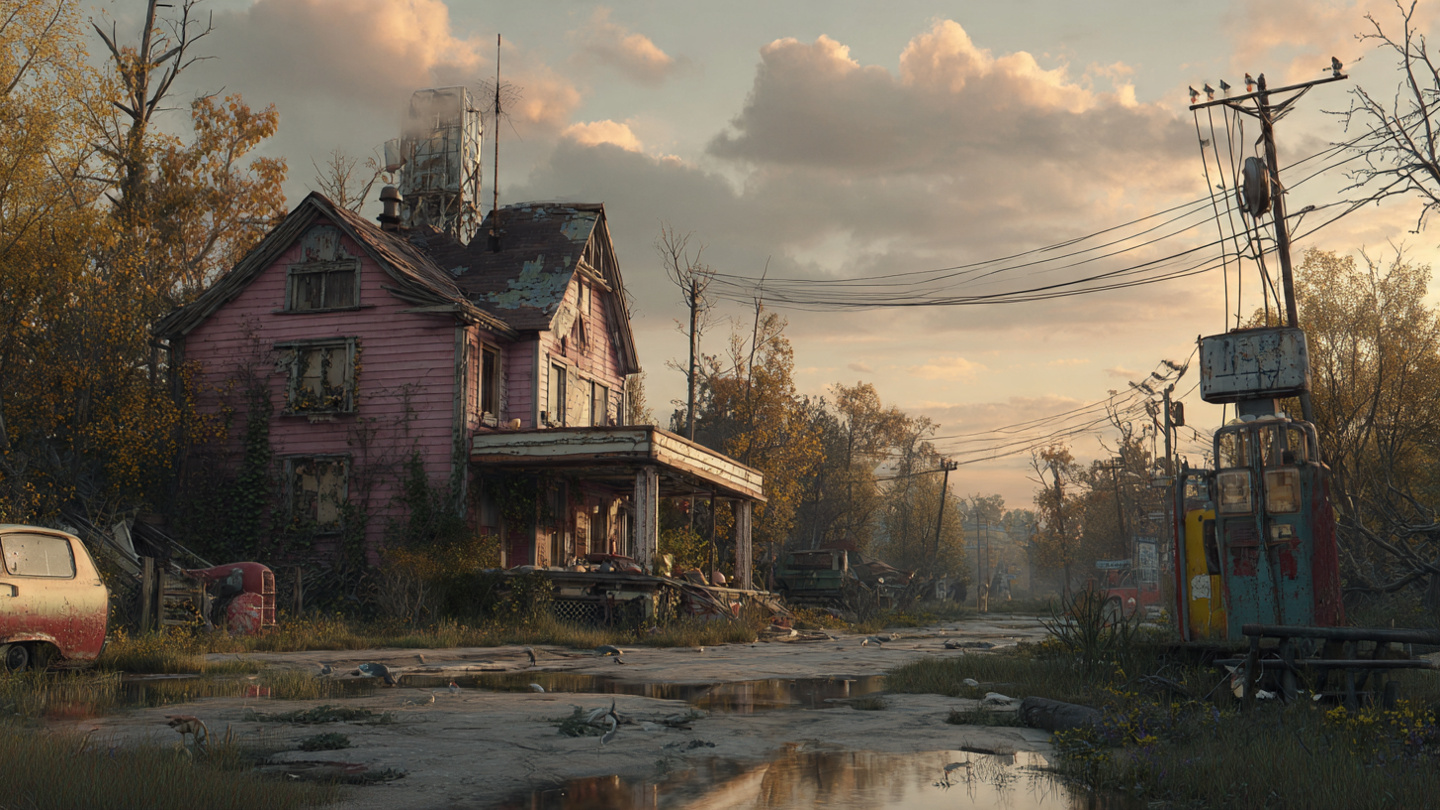
Over time, certain films stop feeling tied to when they were first watched and start feeling tied to how they are remembered. The experience shifts quietly, shaped less by plot recall and more by mood, texture, and familiarity. What remains is not just the story, but the feeling of encountering it again.
Nostalgia, in this sense, is no longer about looking backward. It is about how past media continues to fit into present-day routines, carried forward by changing technology and everyday viewing habits.
How Nostalgia Has Changed Its Shape
Traditionally, nostalgia was bound to scarcity. A film aired once on television. A physical copy sat on a shelf. Remembering it involved gaps—missed scenes, softened details, incomplete recall. The distance between past and present did much of the work.
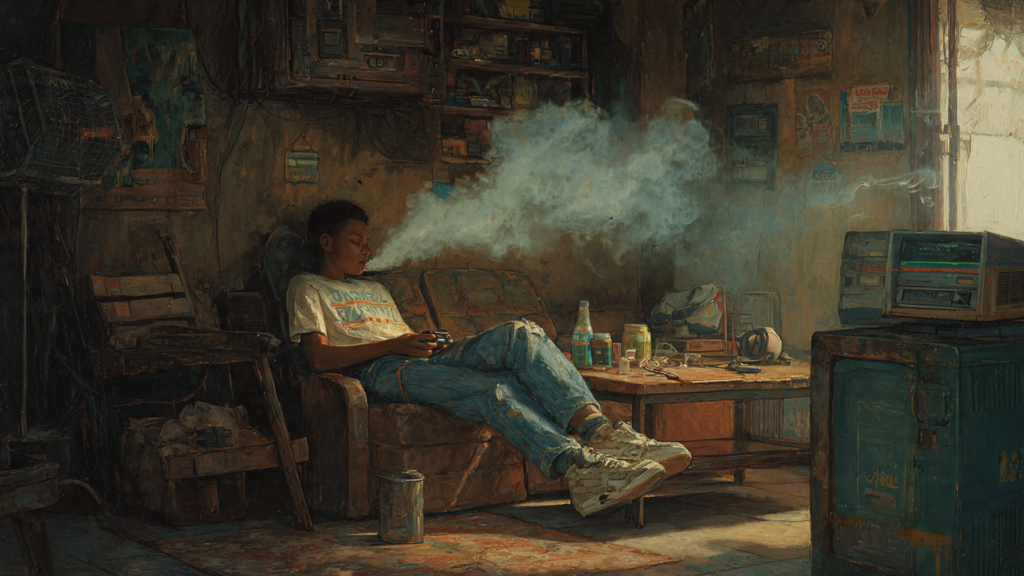
That distance has narrowed. Films, performances, and scenes remain available indefinitely, often in higher quality than when first encountered. Nostalgia no longer depends on absence. Instead, it emerges from repetition and proximity.
This shift changes the emotional texture of nostalgia. Rather than longing for something lost, viewers experience a quieter recognition—an awareness of how both the work and the viewer have changed.
✨ AI Insight:
As digital libraries and recommendation systems became part of everyday media use, nostalgic experiences shifted from rare rediscovery to routine revisiting.
Rewatching as a Daily Habit
Rewatching has become one of the most common ways nostalgia operates. Viewers return to familiar films not to be surprised, but to feel oriented. The experience offers stability, especially in contrast to constant new releases competing for attention.
Technology supports this habit seamlessly. Streaming platforms resume playback automatically. Search tools surface familiar titles. Devices allow viewing to happen in fragments, without ceremony.
Nostalgia thrives in this environment because it no longer requires preparation. A scene can be revisited casually, folded into ordinary time rather than set apart from it.
Familiarity Without Idealization
One notable change is that nostalgia no longer requires idealization. When a film remains accessible, its imperfections remain visible. Outdated effects, pacing choices, or stylistic conventions are no longer softened by memory alone.
Yet this visibility does not weaken nostalgia. In many cases, it strengthens it. Viewers recognize the work as it is, while also remembering who they were when they first encountered it.
This layered awareness—of then and now existing at once—is a defining feature of modern nostalgia. It is less about preserving an illusion and more about maintaining continuity.
The Role of Technology in Emotional Recall
Technology plays a quiet but central role in shaping nostalgic response. Image restoration brings clarity to scenes once viewed through static or compression. Sound remastering restores texture to dialogue and music.
At the same time, playback context changes meaning. Watching a film alone on a laptop produces a different emotional register than watching it on broadcast television or in a crowded theater.
These shifts do not replace nostalgia; they reshape it. The emotional connection adapts to new conditions, much like memories adapt as they are recalled repeatedly.
Performances That Carry Nostalgia Forward
Nostalgia often attaches itself less to plots than to performances. A familiar cadence of speech, a specific physical gesture, or a restrained reaction becomes the emotional anchor.
These details survive format changes more easily than spectacle. A performance grounded in timing and restraint remains legible across decades, resolutions, and devices.
As a result, certain performances feel perennially present. They do not belong to a past moment so much as they accompany viewers forward, resurfacing whenever the conditions invite them.
Nostalgia Without Collective Timing
In earlier media environments, nostalgia was often synchronized. Viewers remembered the same broadcasts, the same release windows, the same moments of exposure.
Today, nostalgia is asynchronous. One person may revisit a film weekly, another may encounter it for the first time years later. The nostalgic experience becomes personal rather than collective.
This does not diminish its impact. Instead, it diversifies it. Nostalgia becomes less about shared timelines and more about shared material encountered at different points in life.
The Comfort of Predictability
One practical reason nostalgia persists is predictability. In a landscape of constant choice, familiar material reduces decision-making. Viewers know how long a film runs, how it feels, where it goes.
This predictability offers comfort without requiring emotional investment. The experience can be partial, distracted, or quiet. Nostalgia does not demand full attention to function.
Much like everyday technology that integrates smoothly into routine, nostalgic media earns its place by being reliable rather than demanding.
Cultural Memory in the Age of Access
Cultural memory used to rely on repetition through limited channels. Today, it relies on availability. Films remain present not because they are constantly promoted, but because they are never fully gone.
This permanence changes how nostalgia accumulates. Instead of fading and returning, it hums steadily in the background, activated whenever a familiar title appears on a screen.
The result is a softer, more continuous relationship with the past—less dramatic, but more enduring.
Nostalgia Versus Preservation
It is important to distinguish nostalgia from preservation. Preservation focuses on accuracy and restoration. Nostalgia focuses on relationship.
A film can be perfectly preserved and still fail to evoke nostalgia if it does not connect to lived experience. Conversely, a flawed copy can carry strong nostalgic weight if it aligns with memory.
Modern systems support both, but nostalgia emerges from use rather than condition. It depends on how often and how casually something is encountered.
Why It Matters
Understanding nostalgia today helps explain why older work remains central in everyday media life. For viewers, it clarifies why returning to familiar films feels grounding rather than repetitive. For creators, it highlights the value of work that remains usable, readable, and emotionally coherent over time.
Beyond media, the pattern is familiar. Nostalgia persists where systems allow continuity without forcing attention. It grows through repeated, low-friction interaction.
A Feeling That Adapts Instead of Freezes
Nostalgia is no longer a fixed emotion tied to a distant past. It is adaptive, reshaped by access, context, and habit. Films and performances do not sit behind glass; they circulate alongside daily life.
As technology continues to support long-term access rather than momentary exposure, nostalgia may become less about yearning and more about presence—a quiet recognition that some experiences continue to fit, even as everything else changes.